Namibia at a Glance
Space here is not a concept, it is something you feel every day
Namibia – Quick Facts & Travel Basics
Namibia is almost the size of Germany and Spain combined, yet home to just over three million people. It’s one of the least densely populated countries on Earth – and you feel that space everywhere. Open roads, endless horizons, and a silence that stays with you.
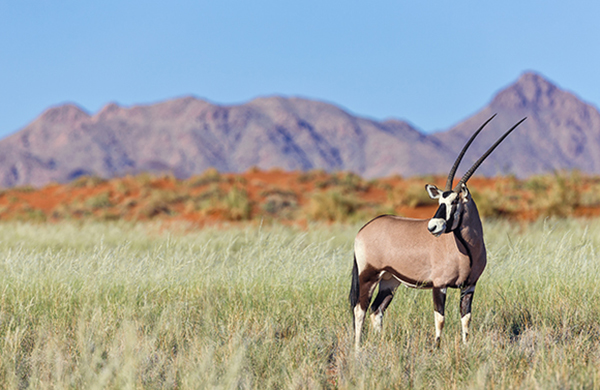
This isn’t a typical Big Five safari destination. Namibia is about towering red dunes, vast salt pans, dramatic canyons, and a wild Atlantic coastline where desert meets ocean. And yet, the wildlife is remarkable: desert-adapted elephants, lions, and rhinos thriving in some of the planet’s harshest conditions.
Safe, stable, and easy to explore, Namibia is one of Africa’s best self-drive destinations. From luxury lodges to remote camps under star-filled skies, it offers exceptional value and unforgettable experiences for families, honeymooners, solo-travellers, photographers, and adventurers alike.
As a local tour operator based here in Namibia, we guide you from first idea to final farewell, ensuring a smooth journey ahead. Here, we share our expert insights to help you experience Namibia at its very best.
Quick Facts
Size
824,292 km² (318,261 sq mi)
Population
3.1 million people
Capital
Windhoek
Time Zone
GMT+ 2
Currency
Namibian Dollar (N$), pegged 1:1 with South African Rand (both widely accepted)
Official Language
English is the official language, but you will also hear Oshiwambo, Afrikaans, German, Damara and Nama, among others
Temperature
Namibia has a dry, sunny climate with hot summers (Nov–Mar) and cooler, dry winters (Apr–Oct)
Summer daytime temperatures often exceed 30–35°C, while winter days are generally mild — but nights, especially in desert areas, can drop close to or even below freezing
Visa Regulations
Most European travellers require a visa on arrival for Namibia, completed via an online application. You can apply at the airport, but applying online in advance is strongly recommended to avoid delays
The visa costs NAD 1, 600, is usually approved within a week, and is issued as multiple-entry for easy regional travel
Best Time to Travel to Namibia
Namibia is one of the few destinations that truly works year-round. The best time to visit depends on what you want to experience most.
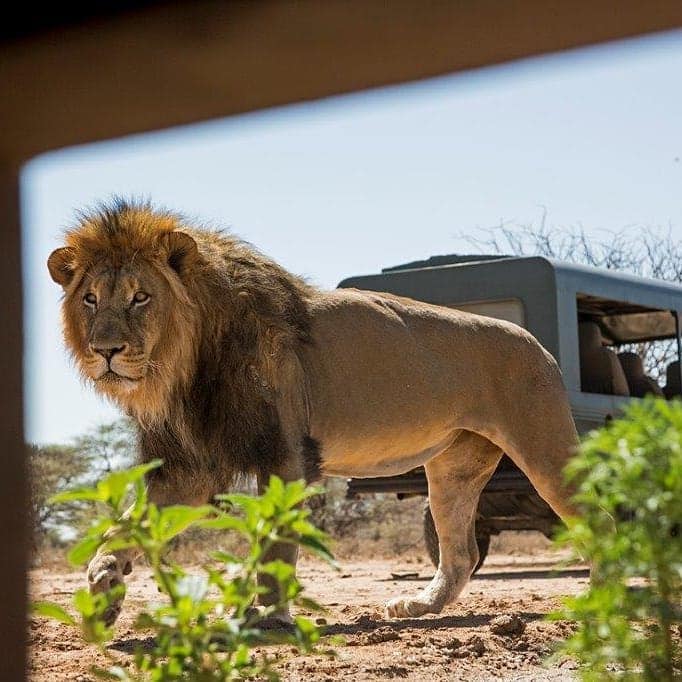
May to October (dry season) is ideal for wildlife viewing, as animals gather around waterholes and sightings are excellent.
November to April (green season) brings lush landscapes, dramatic skies, and superb birding, a favorite for photographers and value-seekers.
Our tip: If wildlife is your priority, travel between June and October. For landscapes and desert highlights, you can visit any time of year.
Plan your Namibian adventure
Speak to one of our local advisors
 Rooikop Travel & Tours