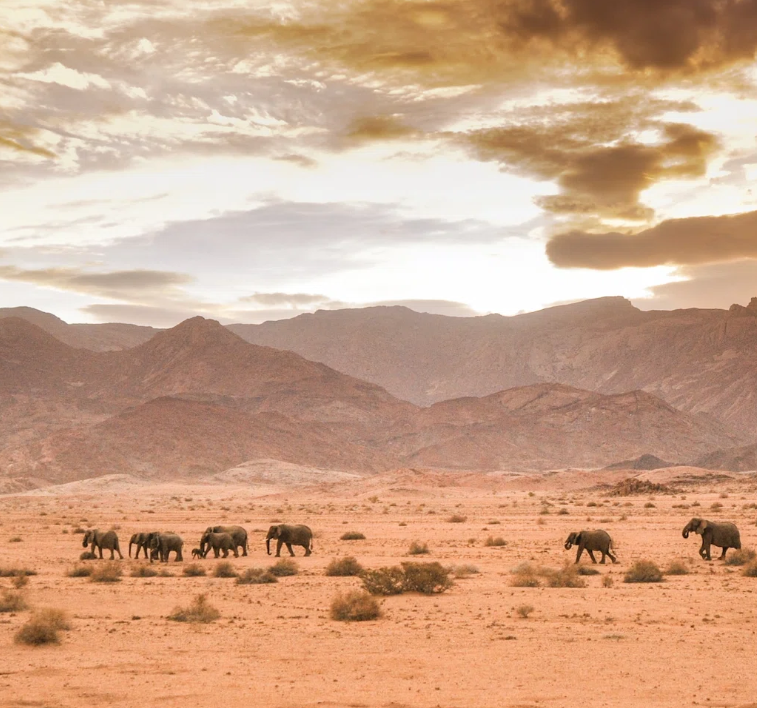
Namibia Beyond the Highlights
14 days / 13 nights
Sleep under some of the world’s darkest skies in the NamibRand, track desert elephants in Damaraland, and finish among Etosha’s waterholes – without rushing the big sights everyone else sees.
Who this trip is for
This itinerary is for travellers who want to experience the highlights of Namibia, but without spending the whole trip following the crowds.
We’ve deliberately chosen a route that combines some of Namibia’s best-known places with quieter, more remote areas. Instead of simply ticking off the main sights, you’ll have the chance to experience the landscapes in a more personal way.
This is also for those seeking a mixture of adventure and comfort/luxury.
Trip highlights
- Meet members of a San community and learn about traditional tracking and survival skills
- Spend two nights walking through the NamibRand Nature Reserve with Tok Tokkie Trails
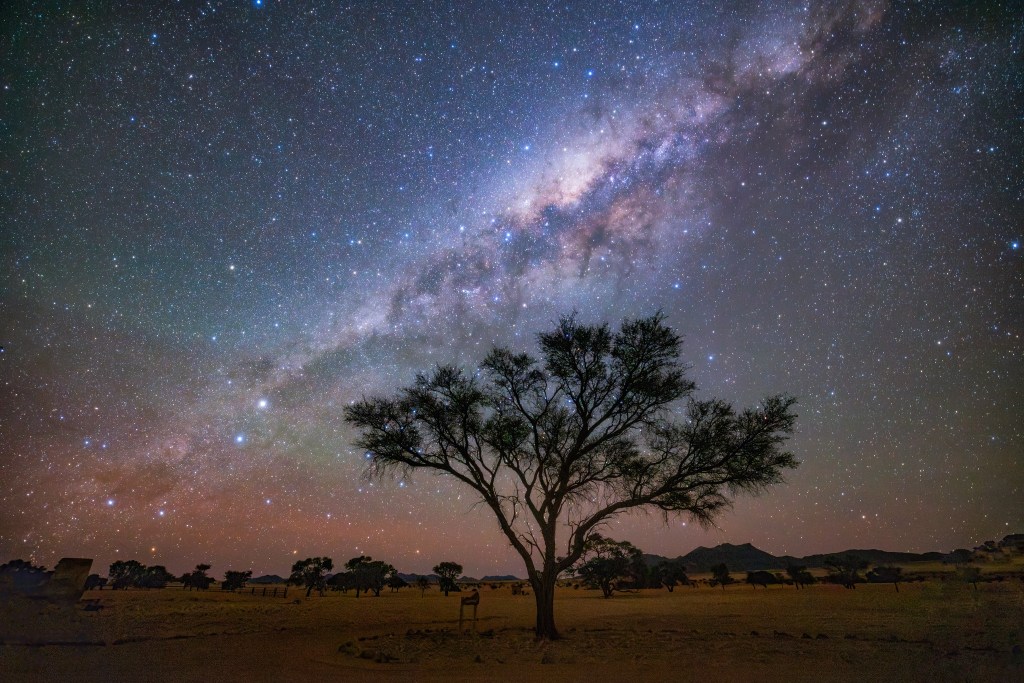
- Sleep outdoors beneath the exceptionally dark skies of the NamibRand
- Experience Sossusvlei from above on a hot-air balloon flight
- Enjoy two nights in Swakopmund, with a choice of optional desert and ocean activities
- Learn about desert elephant conservation with EHRA in Tsaurab Valley
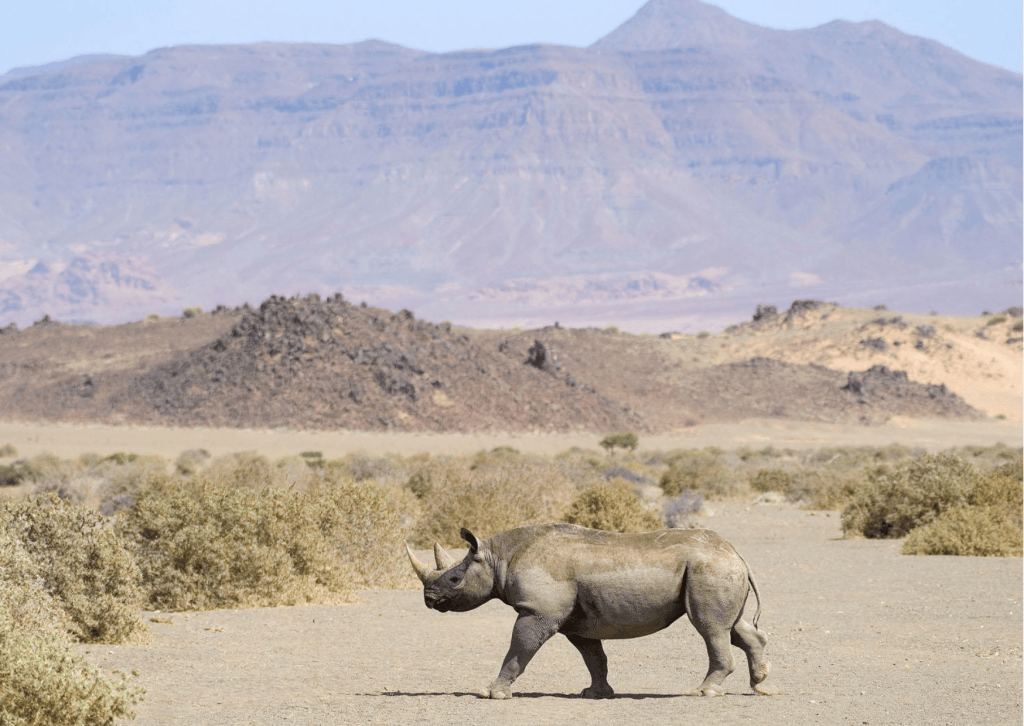
- Search for free-roaming black rhinos in the Grootberg Conservancy
- Finish with an arrival afternoon and a full day exploring Etosha National Park
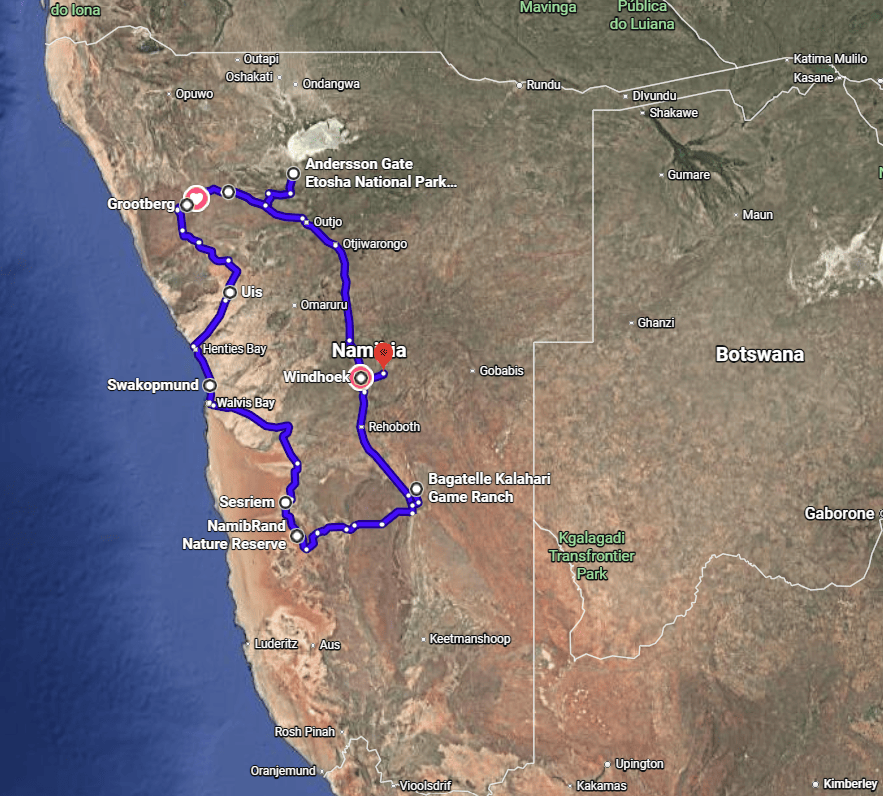
Route map
Day by day
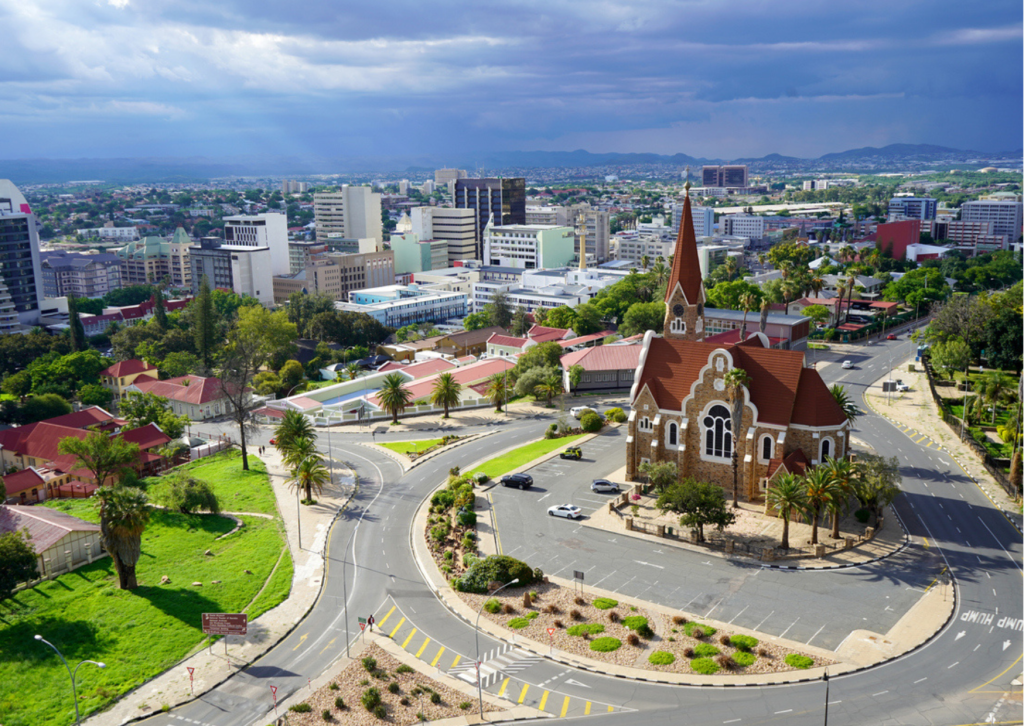
Day 1 · Windhoek
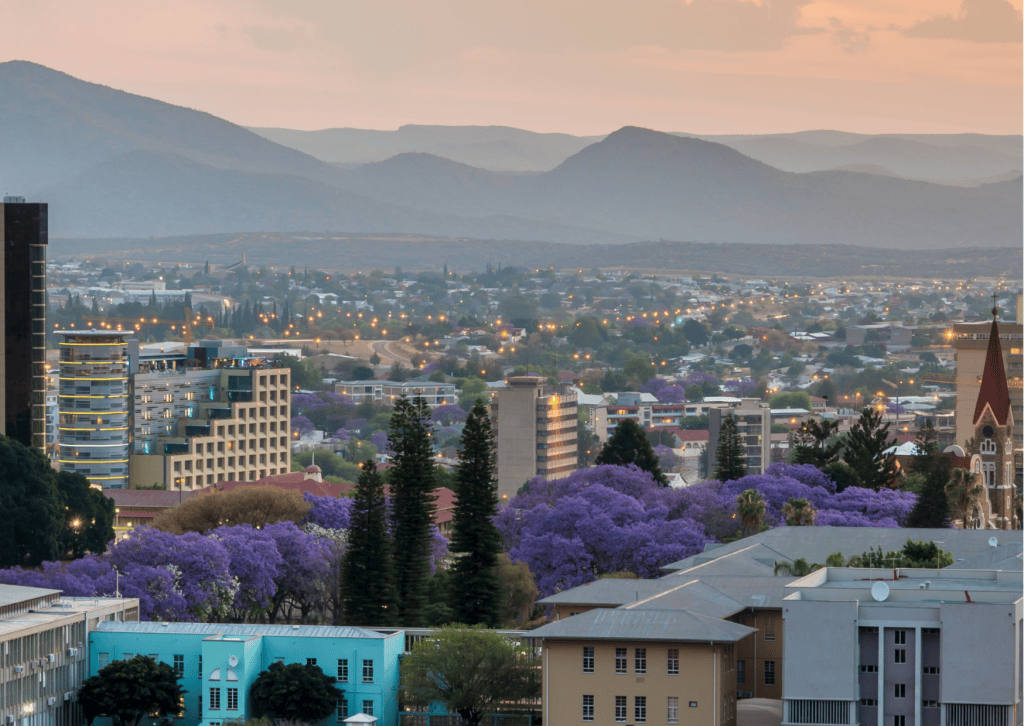
Arrival In Windhoek
Overnight: Windhoek
Your Namibian adventure begins in Windhoek, where you’ll have the chance to settle in after your journey and enjoy your first evening in Namibia.
- Arrival at Hosea Kutako International Airport
- Transfer to Windhoek
- Time to settle in and relax
- Dinner in Windhoek
Day 2 · Kalahari
Windhoek → Kalahari
Driving: approximately 280–300 km | ±3½–4 hours·Overnight: Kalahari
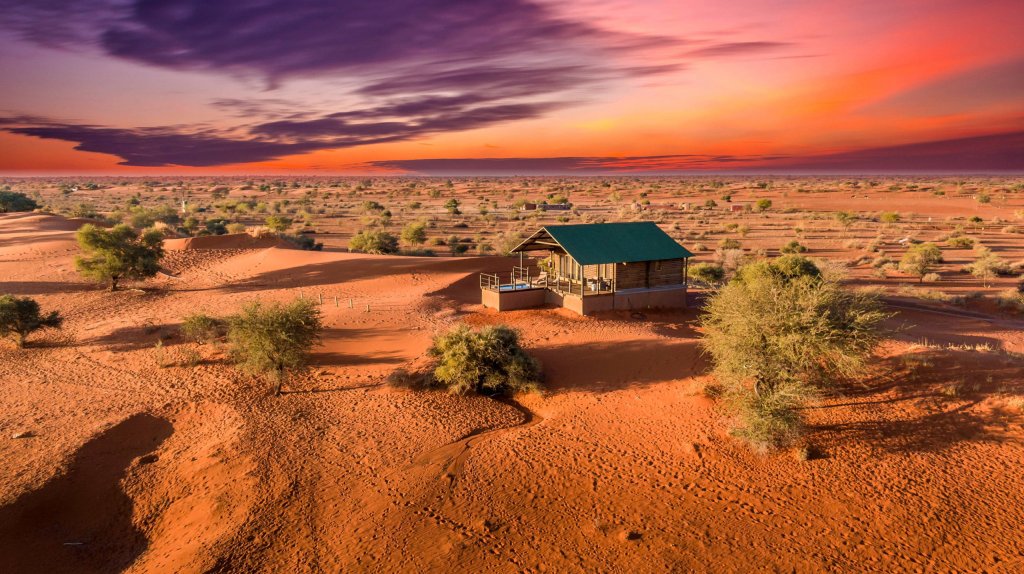
Leaving Windhoek behind, you’ll head south towards the red dunes and wide-open landscapes of the Kalahari.
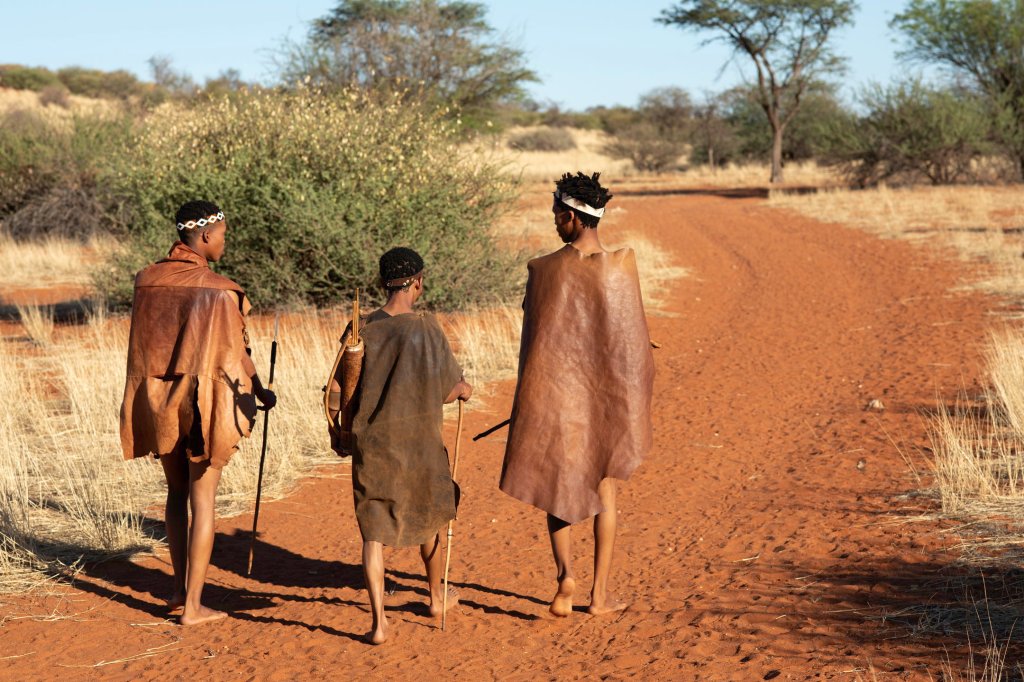
This afternoon you’ll have the opportunity to spend time with members of the San community on a guided San Bushman walk. Resident community members share their traditional knowledge, including tracking techniques, survival skills and their relationship with the environment.
This is an opportunity to learn directly from people who have an intimate knowledge of the Kalahari and its natural surroundings.
- Breakfast
- Depart Windhoek for the Kalahari
- Guided San Bushman walk
- Learn about traditional tracking, plants, animals and survival techniques
- Dinner
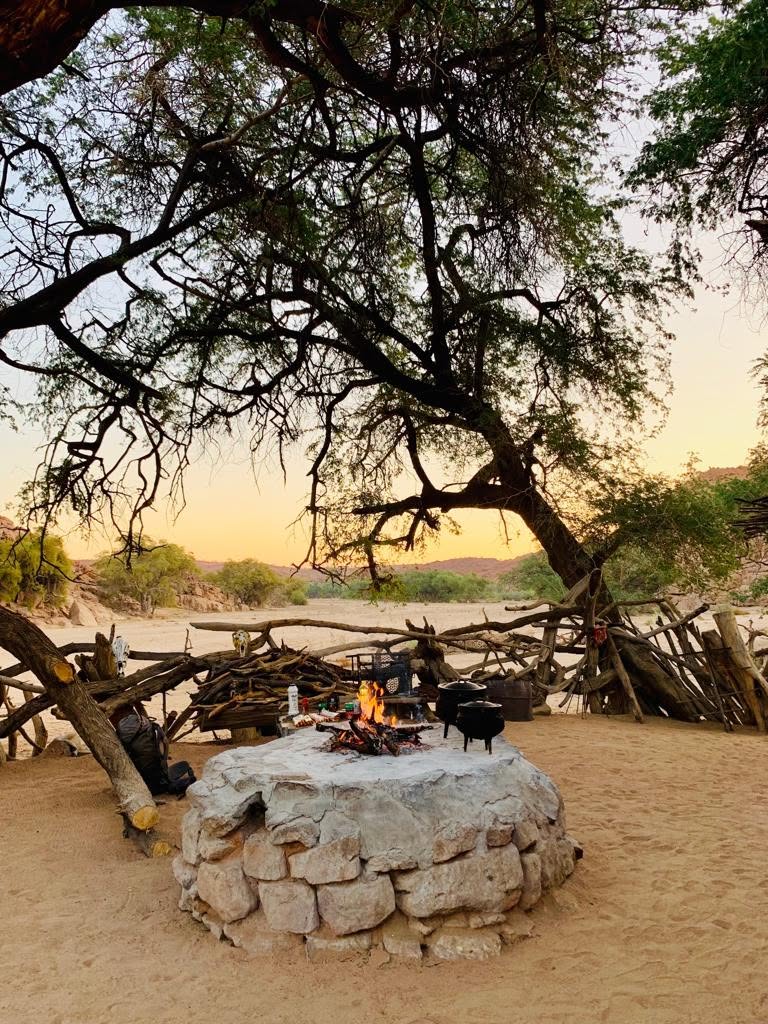
- Overnight camping beneath the Kalahari sky
Good to know: The San experience is a cultural and educational encounter rather than a staged wildlife show. The exact experience can vary depending on the community members and conditions on the day.
Day 3 · NamibRand Nature Reserve
Kalahari → Namibrand
Driving: allow most of the morning/early afternoon for the journey
Today you’ll leave the Kalahari behind and make your way towards the NamibRand Nature Reserve.
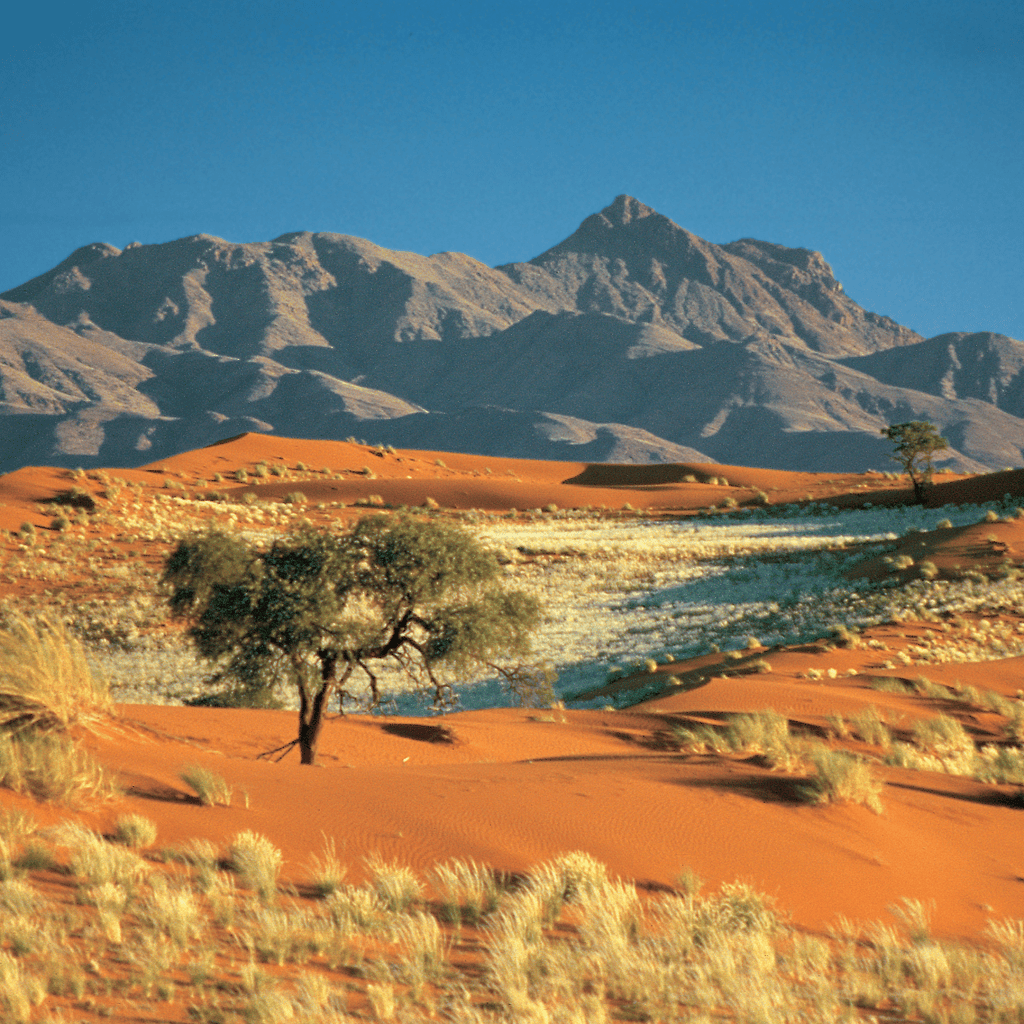
The NamibRand is one of Namibia’s most spectacular desert areas, with vast open plains, rolling dunes and mountains. It is also an International Dark Sky Reserve, recognised for its exceptionally dark night skies.
You’ll need to arrive at the Tok Tokkie Trails base by 14:00. There you’ll meet your guides, have some refreshments, refill your water bottles and prepare a small daypack. Your main luggage will be transported separately to the overnight camp.
The trail begins with a visit to the NaDEET Environmental Education Centre, followed by a short scenic drive to the starting point.
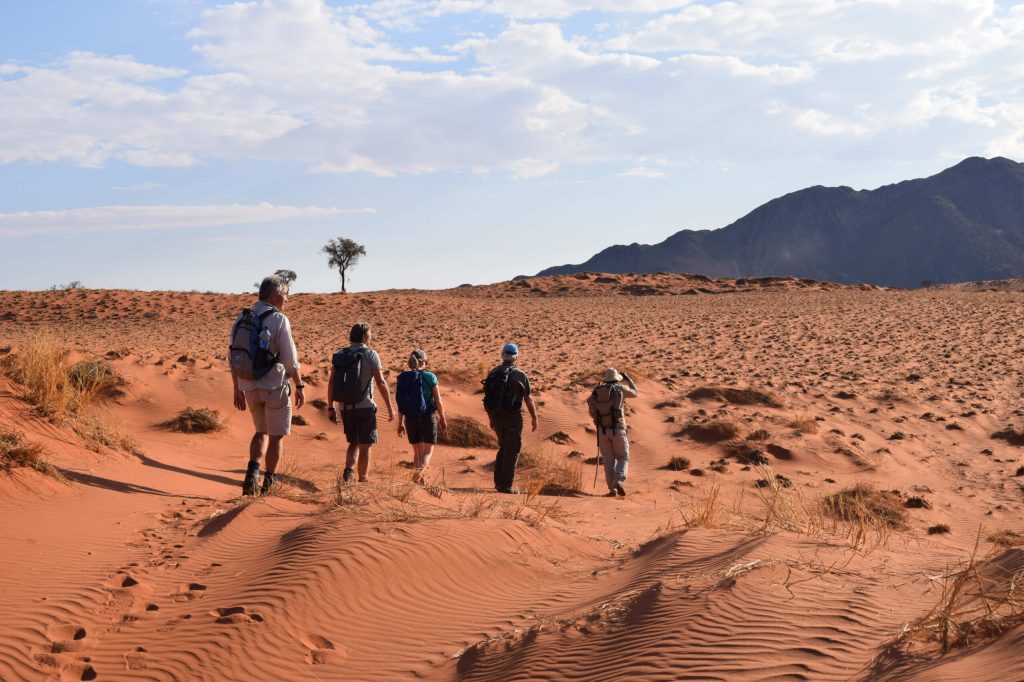
From here, you’ll walk through a landscape of small dunes and famous Namibian fairy circles before reaching your first overnight camp.
As the sun goes down, enjoy a sundowner surrounded by nothing but desert and mountains before dinner is served.
Walking: approximately 1–2 hours
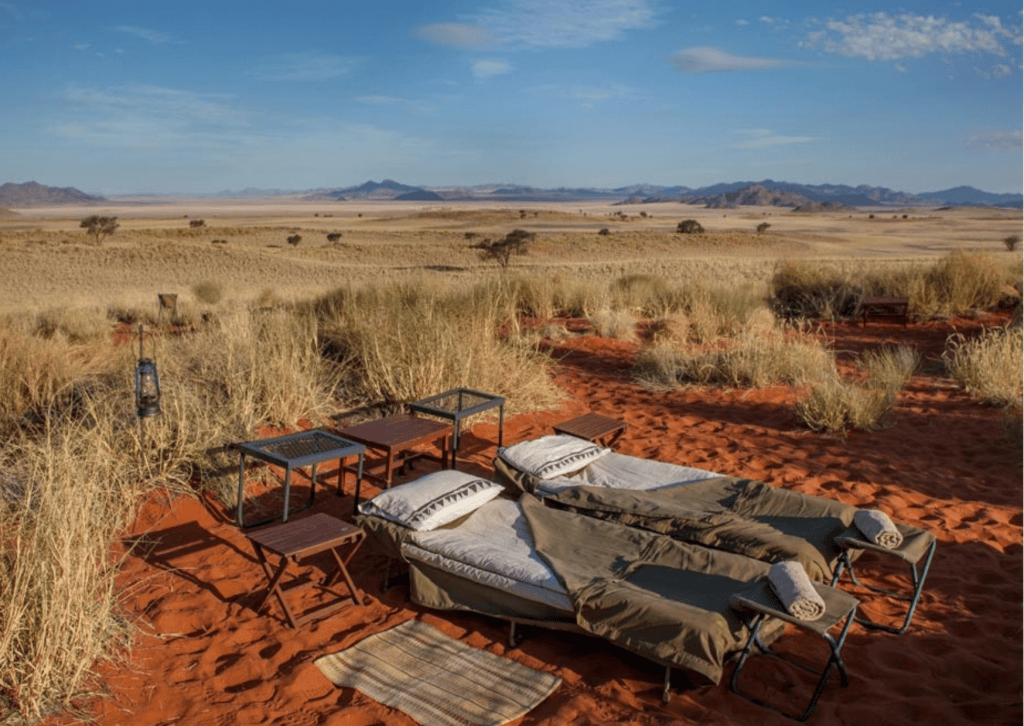
Overnight: Sleeping out in the open on stretcher beds
Important: You only carry a small daypack. Your main luggage is transported to the camps, so pack only what you need for the two-night trail.
Day 4 · NamibRand Nature Reserve
Tok Tokkie Trail
Overnight: Sleeping out in the open on stretcher beds
Today is your main walking day in the Namib.
You’ll start early with tea or coffee before sunrise, followed by breakfast. As the desert begins to wake up, you’ll set out across dunes and plains with your guide.
Along the way, you’ll learn how plants, insects, reptiles and mammals survive in one of the world’s oldest deserts. Your guide will also look for signs of the smaller creatures that are easy to miss — including barking geckos, dune larks, golden moles and other desert specialists.
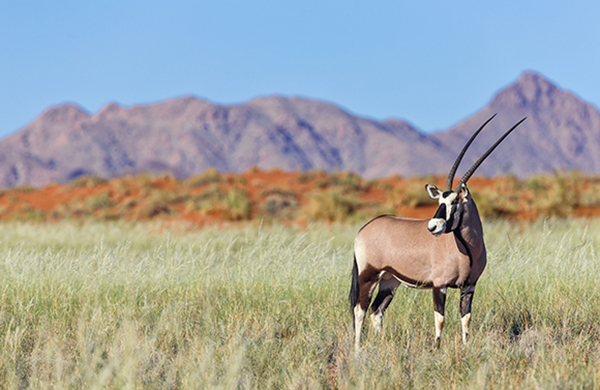
You may also encounter larger animals such as oryx, springbok, ostrich or bat-eared fox.
After lunch in a shady spot, there is time to rest before continuing into the afternoon. Your second camp awaits among the dunes, with the mountains in the distance.
As the sun begins to set, the changing shadows across the dunes make this one of the best times for photography.
End the day with a sundowner and dinner beneath the Namibian sky.
Walking:
Morning: approximately 4–4½ hours
Afternoon: approximately 2–2½ hours
Meals: Breakfast, lunch and dinner included during the trail
Good to know: This is a genuine walking experience, but you don’t carry camping equipment or your luggage. The support team takes care of the practical side of the trail, allowing you to concentrate on the walking and the landscape.
Day 5 · NamibRand → Sossusvlei area
Tok Tokkie Trail → Sossusvlei Area
Overnight: Sossusvlei area
Your final morning on the Tok Tokkie Trail begins before sunrise.
After coffee and breakfast, you’ll walk through the rolling dunes and camel-thorn landscapes before reaching the Tok Tokkie farmhouse at approximately 10:00–11:30, depending on the trail direction. The trail operator may occasionally walk the route in the opposite direction, so the order of landscapes and walking times can vary.
After completing the trail, you’ll continue towards the Sossusvlei area.
The hot-air balloon experience needs to be scheduled separately from the final Tok Tokkie walking morning. Balloon flights operate before sunrise and normally occupy much of the morning, so we would not schedule the balloon and the final Tok Tokkie walk on the same morning.
- Early morning coffee and breakfast
- Final morning walk
- Finish the Tok Tokkie Trail
- Continue towards Sossusvlei
- Check in and relax for the evening
Walking: approximately 3–3½ hours
Day 6 · Sossusvlei → Swakopmund
Sossusvlei → Swakopmund
Overnight: Swakopmund
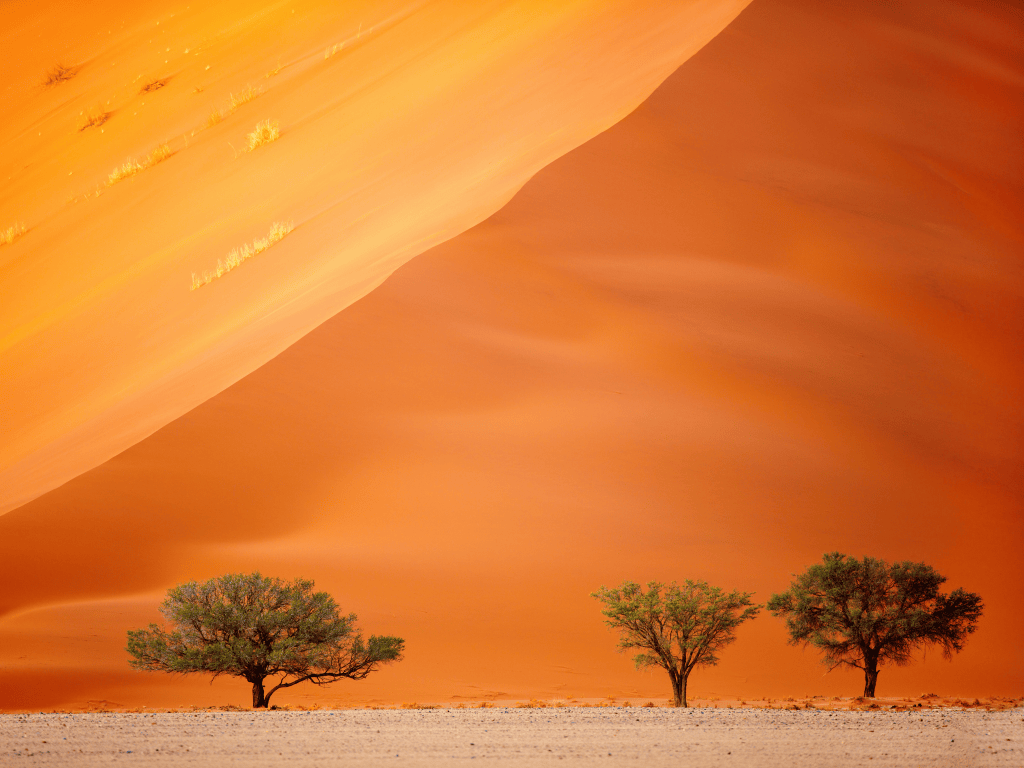
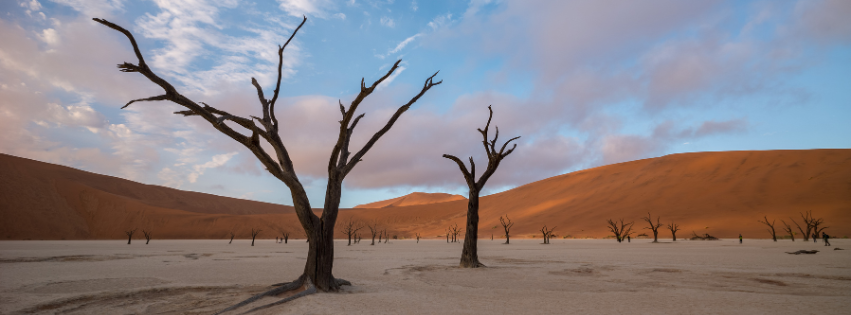
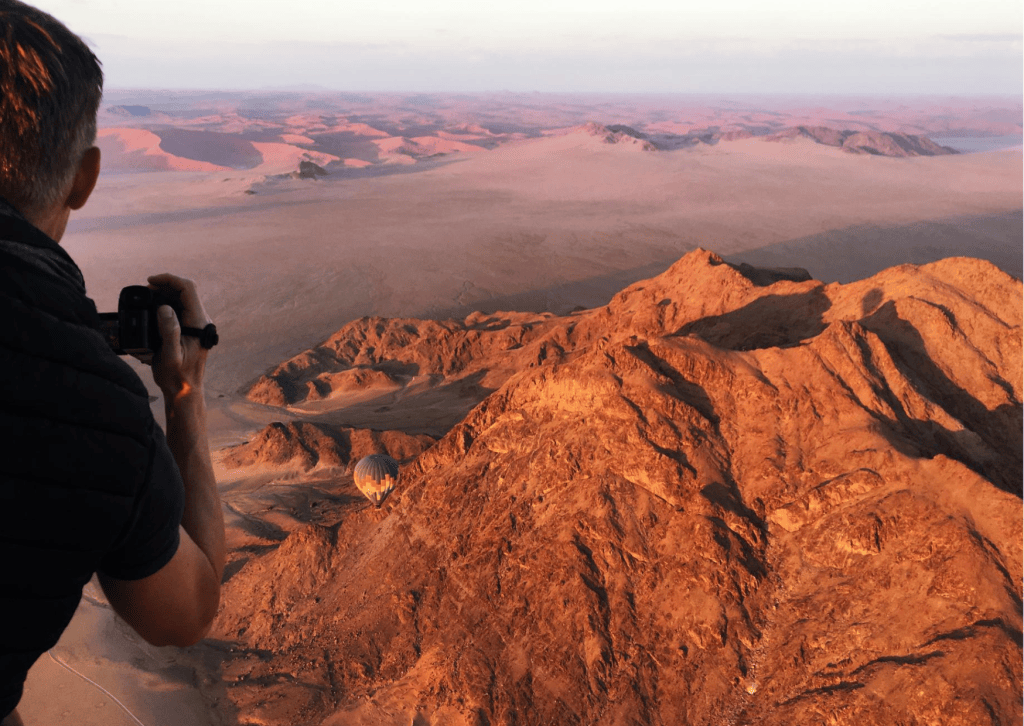
This morning you’ll experience Sossusvlei from the air on a hot-air balloon flight, giving you a completely different perspective of the Namib’s enormous dune landscape.
After the flight, enjoy breakfast before continuing towards the coast.
The drive takes you through the changing landscapes of the Namib, from the dunes and gravel plains towards the Atlantic coast.
By late afternoon you’ll arrive in Swakopmund, where you’ll have two nights to enjoy the town and its surroundings.
Dinner will be arranged at one of Swakopmund’s restaurants.
- Early morning hot-air balloon flight
- Breakfast
- Depart towards Swakopmund
- Drive through the Namib Desert
- Arrive in Swakopmund
- Dinner at a local restaurant
Good to know: Hot-air balloon flights are weather-dependent. Wind conditions can affect whether a flight operates, so we recommend keeping some flexibility around this activity. A second morning in the area gives you more flexibility than trying to fit everything into one morning.
Day 7 · Swakopmund / Walvis Bay
Swakopmund & Walvis Bay
Overnight: Swakopmund
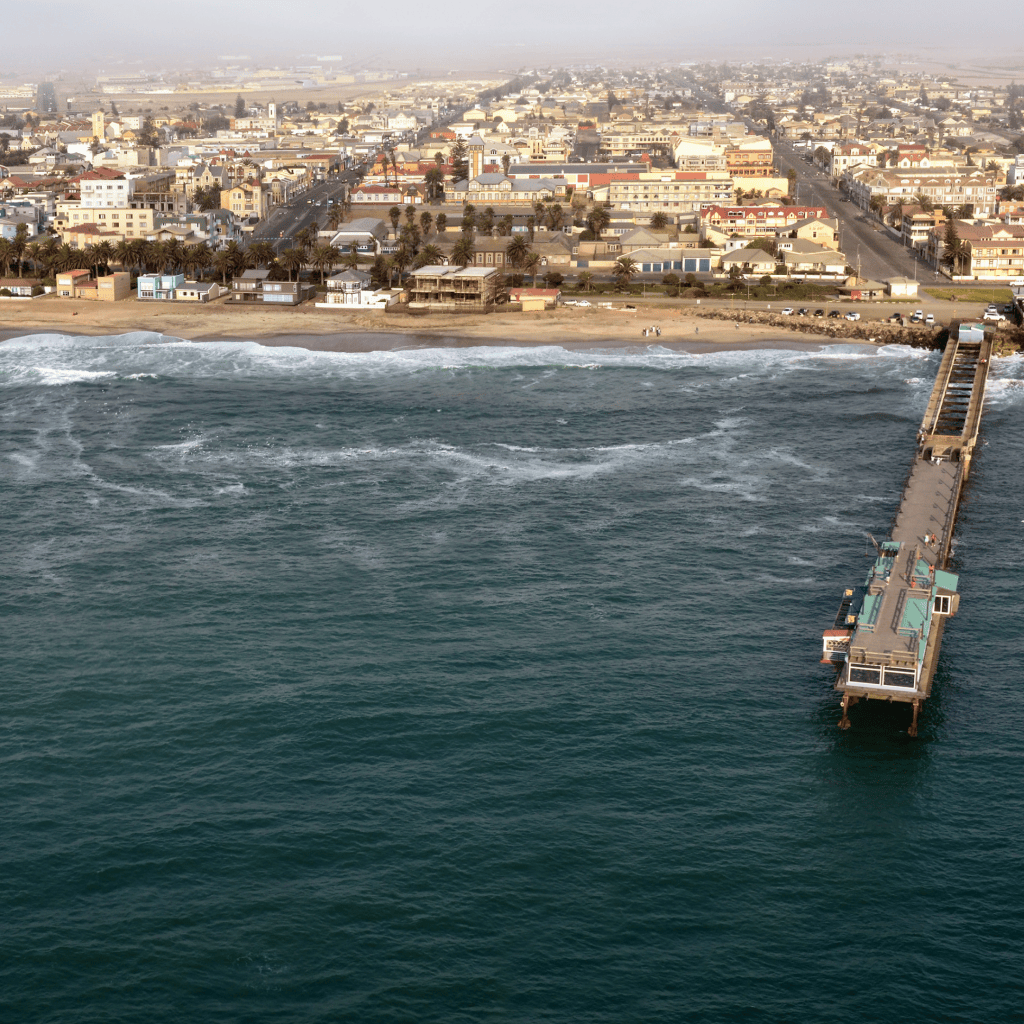
Today is yours to explore the coast at your own pace.
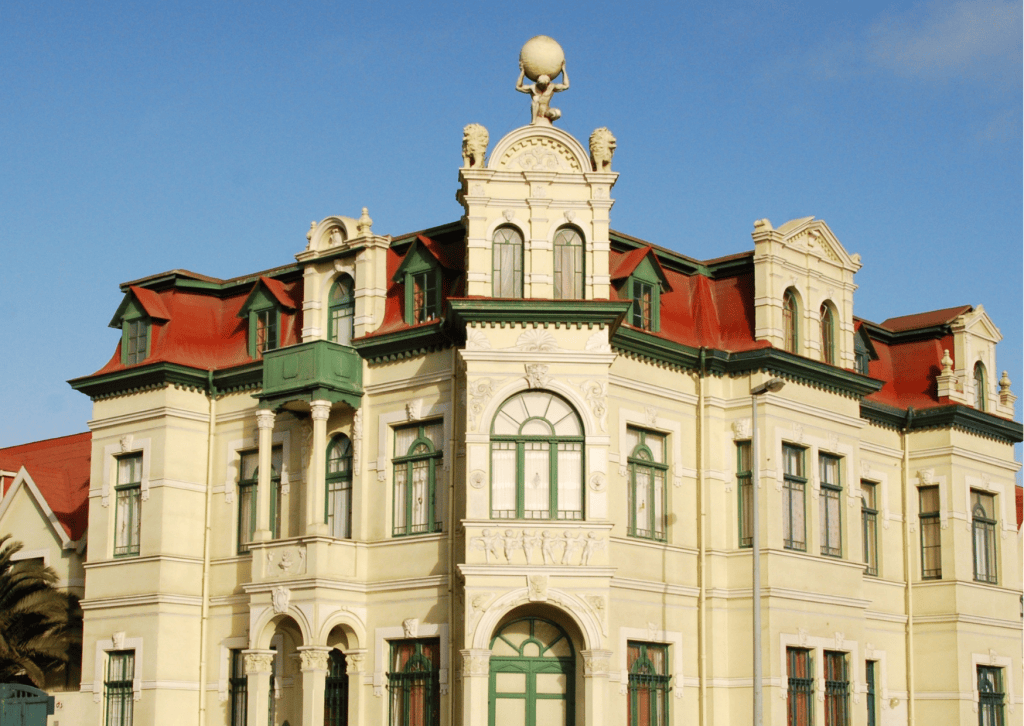
Swakopmund is a good base for exploring both the Atlantic Ocean and the surrounding desert, and there is a wide range of activities depending on what you’d like to experience.
Optional activities
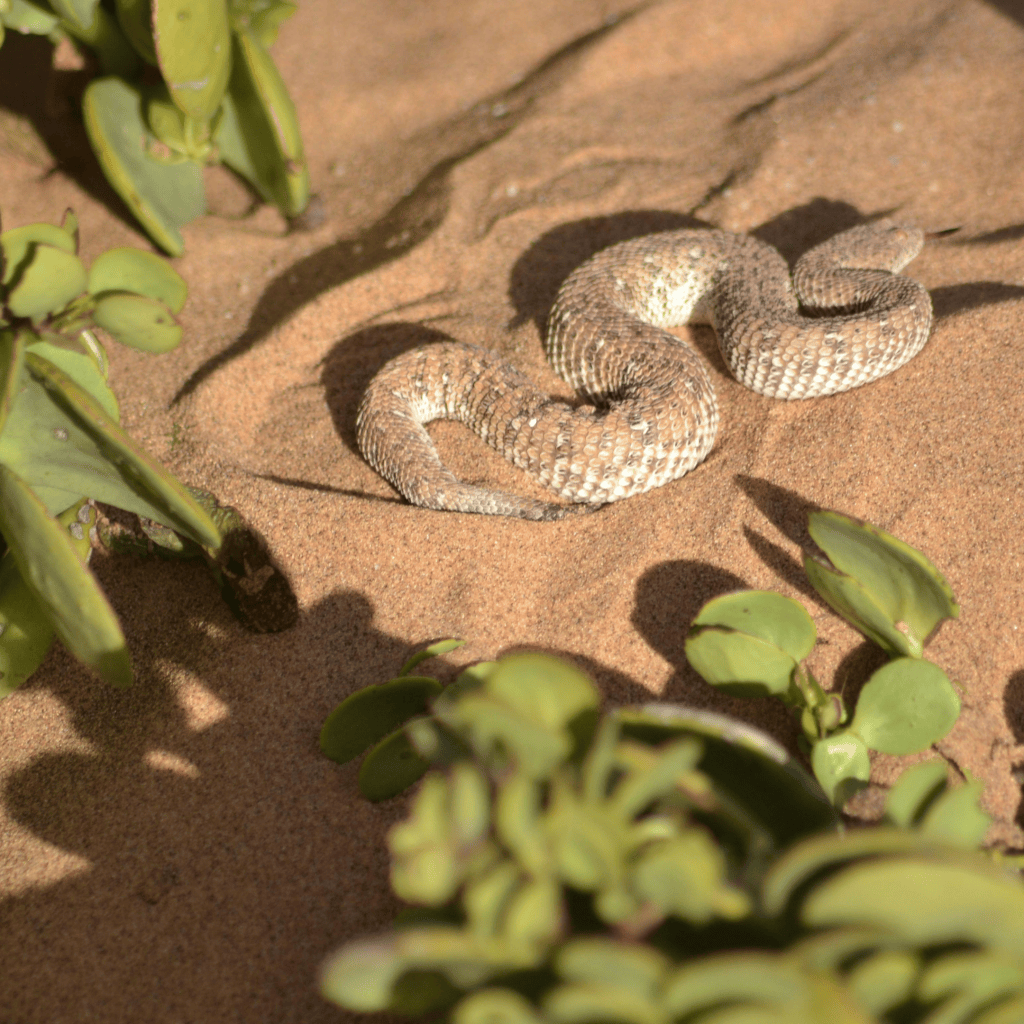
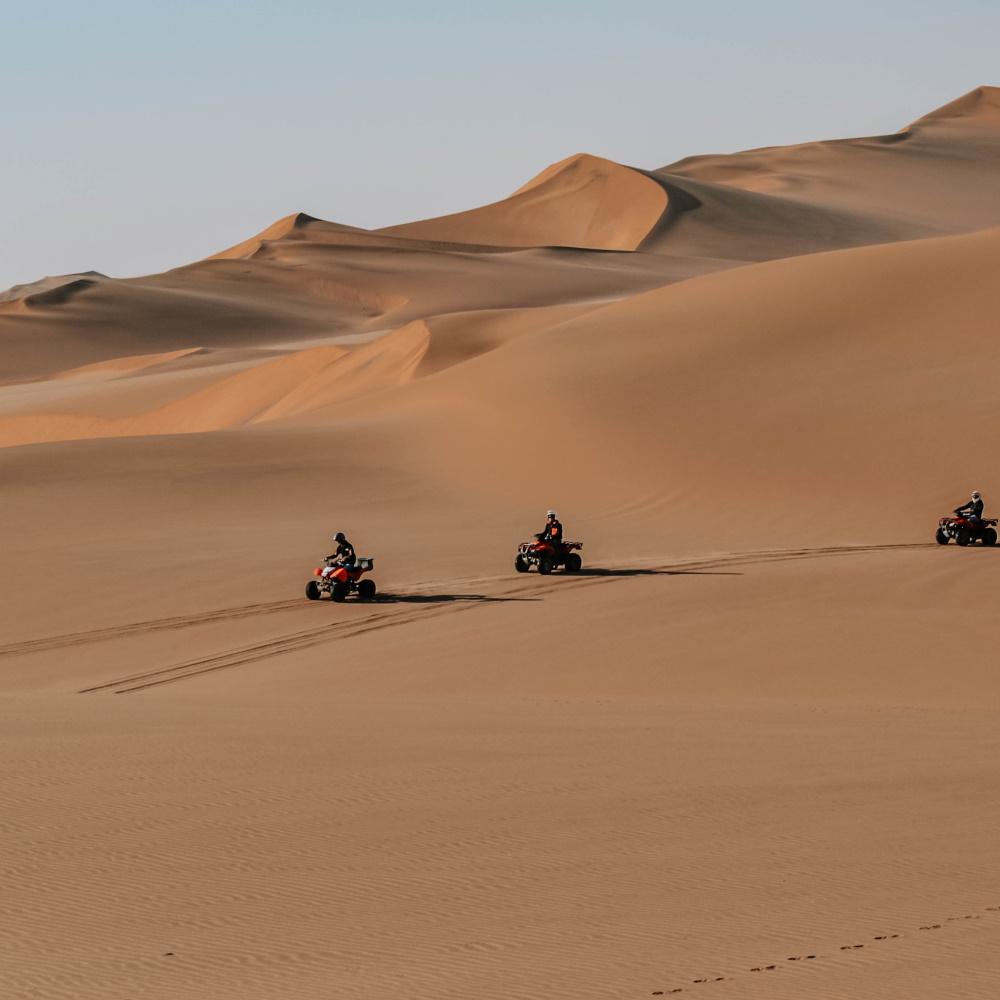
Living Desert Tour
Explore the dunes with a specialist guide and discover the surprisingly rich life that exists in the Namib Desert, from chameleons and geckos to snakes and desert-adapted plants.
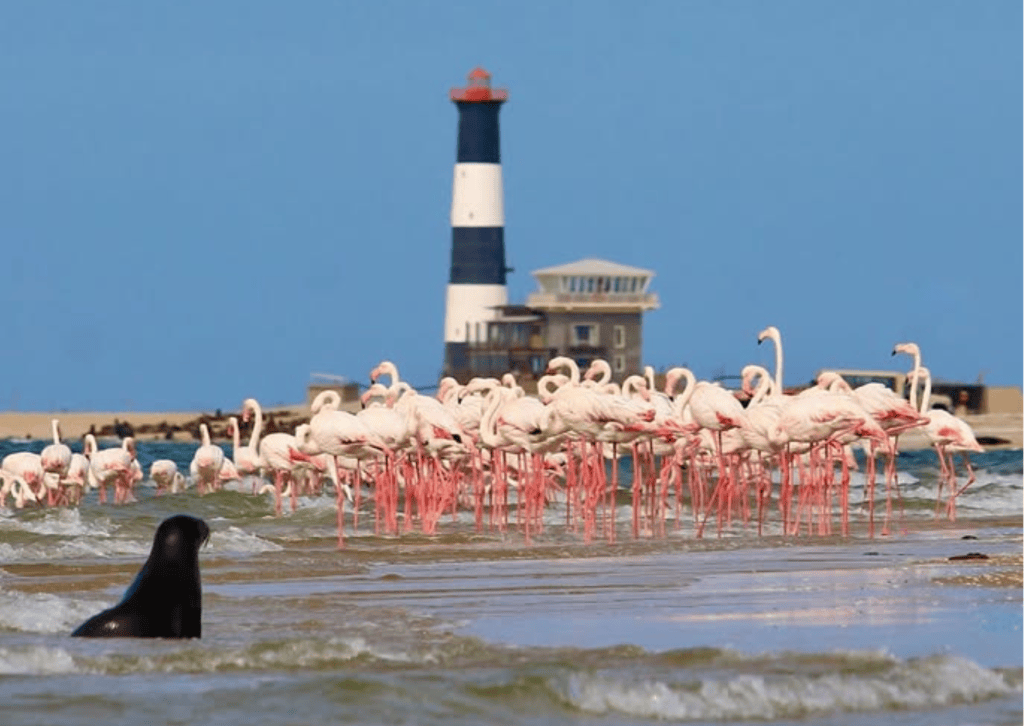
Kayaking at Pelican Point
Head out onto the water to see Cape fur seals, seabirds and, with some luck, Benguela dolphins.
Sandwich Harbour 4×4 excursion
Travel by 4×4 into the Namib-Naukluft area where enormous dunes meet the Atlantic Ocean.
Scenic flight
See the Namib Desert and Atlantic coastline from above on a light-aircraft flight.
Fat-bike excursion
Cycle through the desert dunes on a guided fat-bike adventure.
Evening desert walk
Explore the desert after dark with a specialist guide and look for nocturnal creatures such as geckos, spiders and scorpions.
Please note: Optional activities are at an additional cost and should be booked in advance where possible.
Day 8 · Tsaurab Valley
Swakopmund → Tsaurab Valley
Driving: approximately 300 km | allow around 5 hours, depending on route and road conditions·Overnight: Tsaurab Valley
Today you’ll leave the coast and head inland towards the Ugab Valley and Tsaurab Valley.
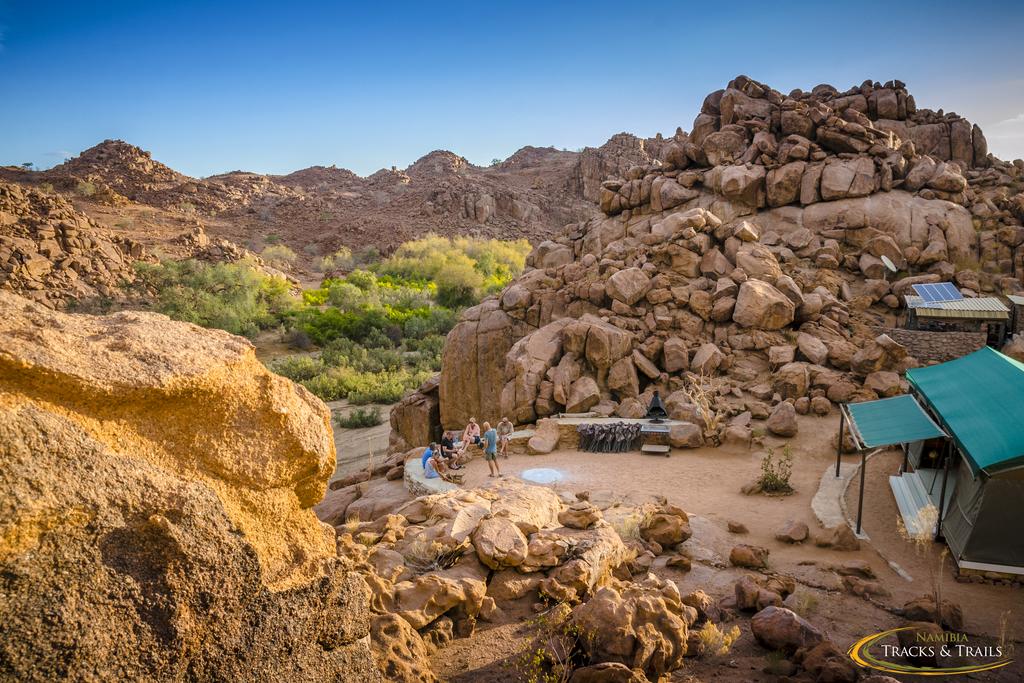
This is a remote part of Damaraland, where the landscape opens up into dry riverbeds, rocky hills and vast stretches of wilderness.
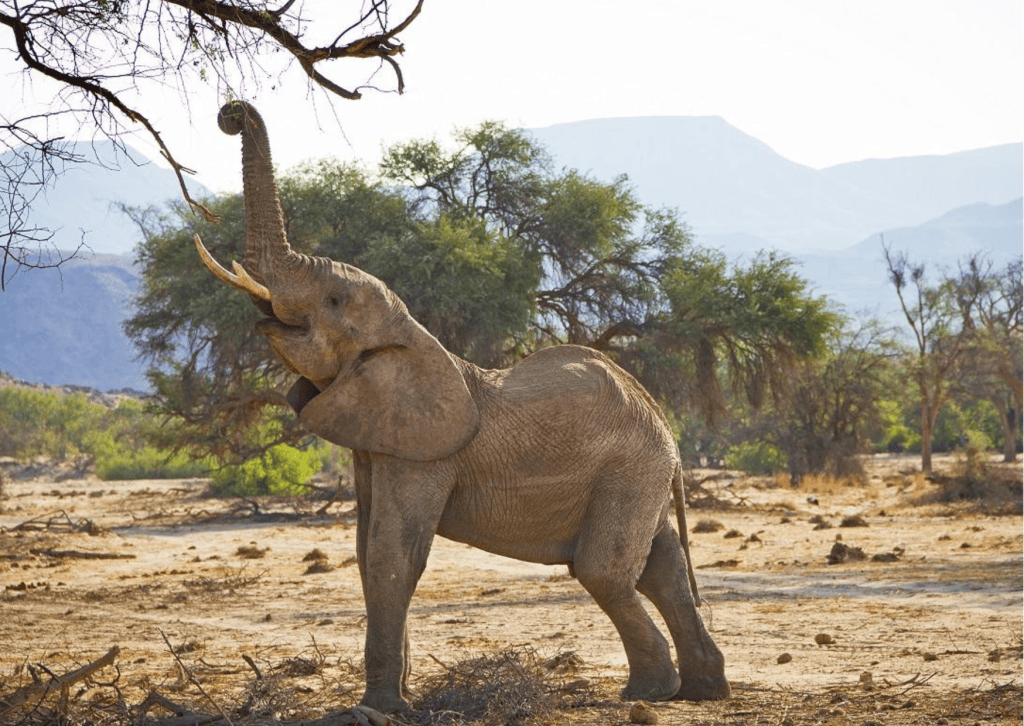
Tsaurab Valley is one of the areas where EHRA — Elephant Human Relations Aid works. EHRA is a Namibian conservation organisation working to promote peaceful coexistence between free-roaming desert elephants and the communities living alongside them. EHRA monitors elephant movements, works with local communities and runs education and conflict-mitigation programmes.
The area is deliberately remote, which is a big part of its appeal.
- Breakfast
- Drive inland towards Tsaurab Valley
- Arrive at the valley
- Settle into camp
- Time to explore the surroundings
- Learn more about EHRA’s conservation work
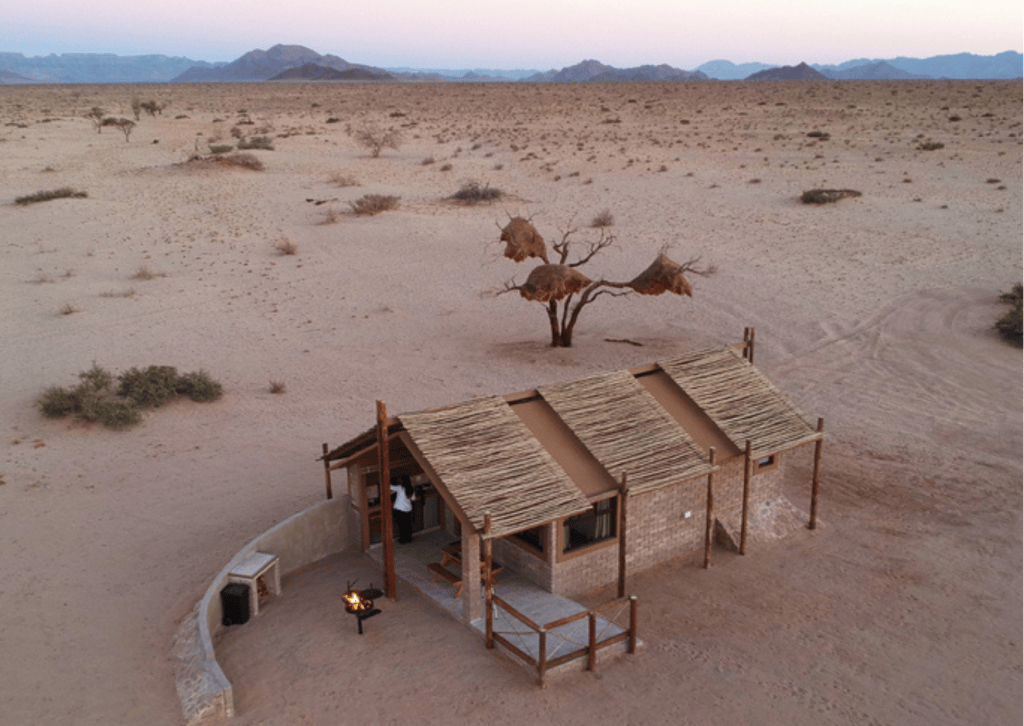
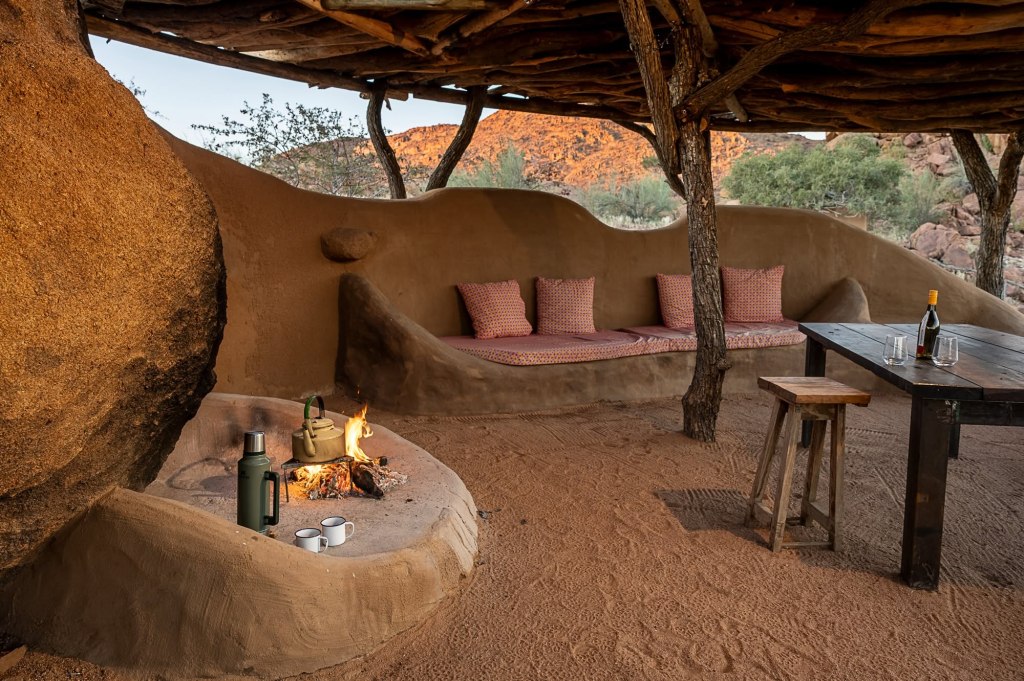
Good to know: Tsaurab Valley is remote. Facilities are intentionally simple and designed around the surrounding environment. The camps are around 50 km from Uis and 4×4 access is preferred, although some camps can be reached without one depending on conditions.
Day 9 · Tsaurab Valley
Desert Elephant Tracking
Overnight: Tsaurab Valley
Today you’ll get a closer look at the work being done to protect Namibia’s desert-adapted elephants.
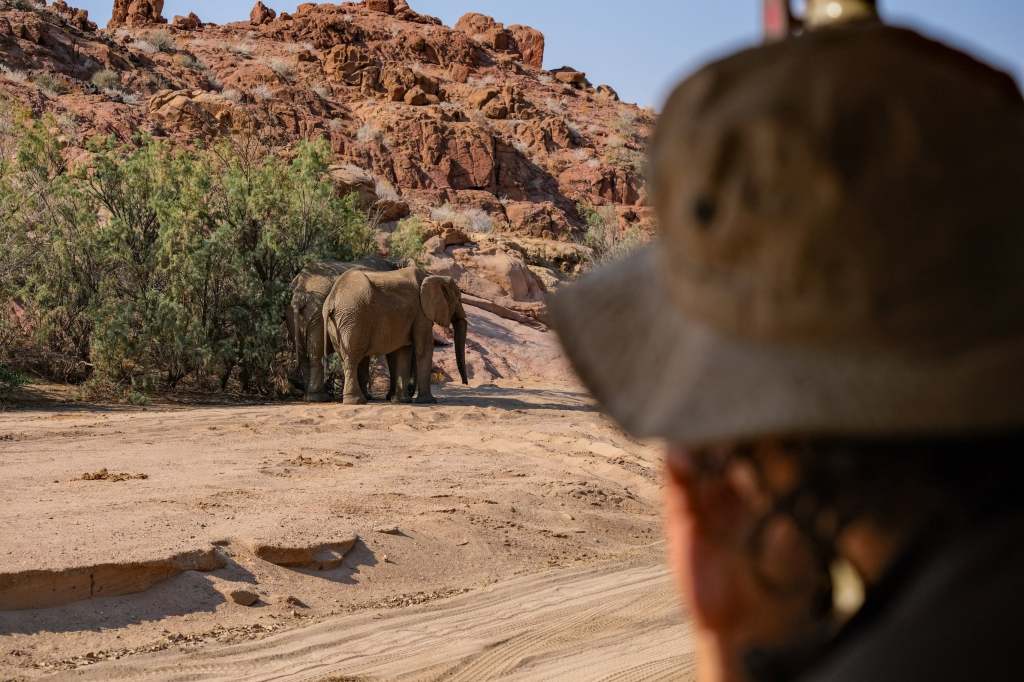
You’ll join EHRA elephant trackers and learn how they follow individual elephants through the landscape, identify different animals and understand their movements and social structures.
The experience isn’t simply about finding elephants. You’ll also learn why tracking is important for conservation and how communities and elephants share the same landscape.
EHRA’s tracking work contributes to monitoring elephant movements and identifying where support is needed to reduce conflict between elephants and local communities.
- Early start
- Elephant tracking with EHRA
- Learn about elephant behaviour and social structures
- Learn how trackers identify and follow individual elephants
- Discover more about human-elephant coexistence
- Return to camp
- Time to relax and enjoy the valley
Important: These are free-roaming wild elephants, so sightings cannot be guaranteed.
Day 10 · Grootberg area
Tsaurab Valley → Grootberg
Driving: approximately 200–250 km | allow most of the day·Overnight: Grootberg area
Today you’ll continue north towards the Grootberg area.
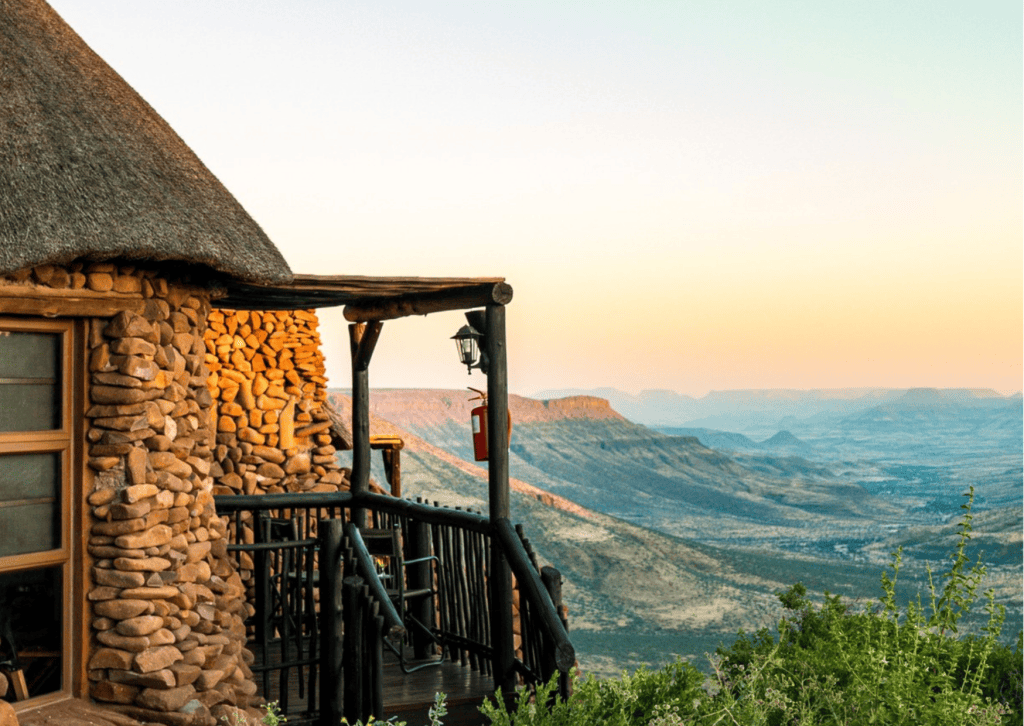
The landscape changes again as you reach the dramatic Grootberg plateau and the rocky valleys of southern Kunene.
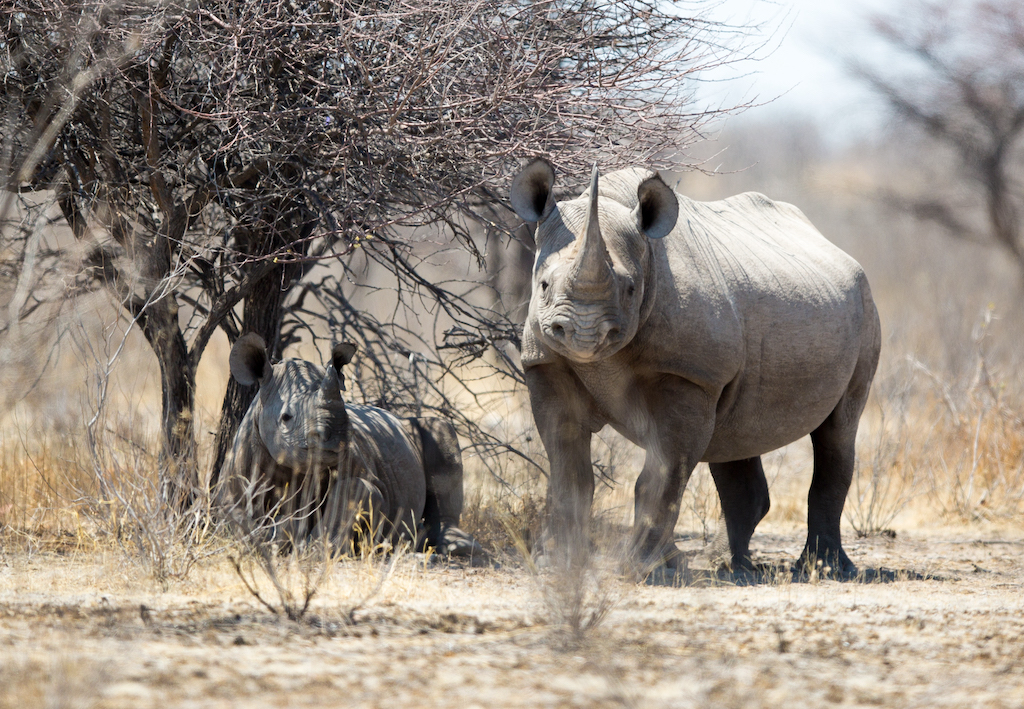
This area is particularly well known for its conservation work involving free-roaming black rhinos.
Rhino tracking
You’ll have the opportunity to join the local rhino trackers and search for black rhinos by vehicle and on foot.
The experience involves travelling into remote terrain in an open 4×4 and then walking through rocky ground. Rhino sightings are not guaranteed, as the animals are completely free-roaming.
Important: Rhino tracking is normally arranged as part of a two-night stay, so with this itinerary we will need to confirm availability with the lodge in advance. A one-night stay does not normally allow enough time for the activity, although exceptions may sometimes be possible.
Day 11 · Grootberg → Etosha National Park
Grootberg → Etosha Area
Overnight: Etosha area
After breakfast, you’ll continue towards Etosha.
The landscape gradually changes from the rugged mountains of Kunene to the open plains surrounding Etosha National Park.
You’ll stay outside the park, giving you flexibility to explore Etosha on the following day.
- Breakfast
- Depart Grootberg
- Continue towards Etosha
- Arrive in the Etosha area
- Settle in
- Depending on arrival time, begin your first wildlife drive
Day 12 · Etosha National Park
Full Day Exploring Etosha
Overnight: Etosha area
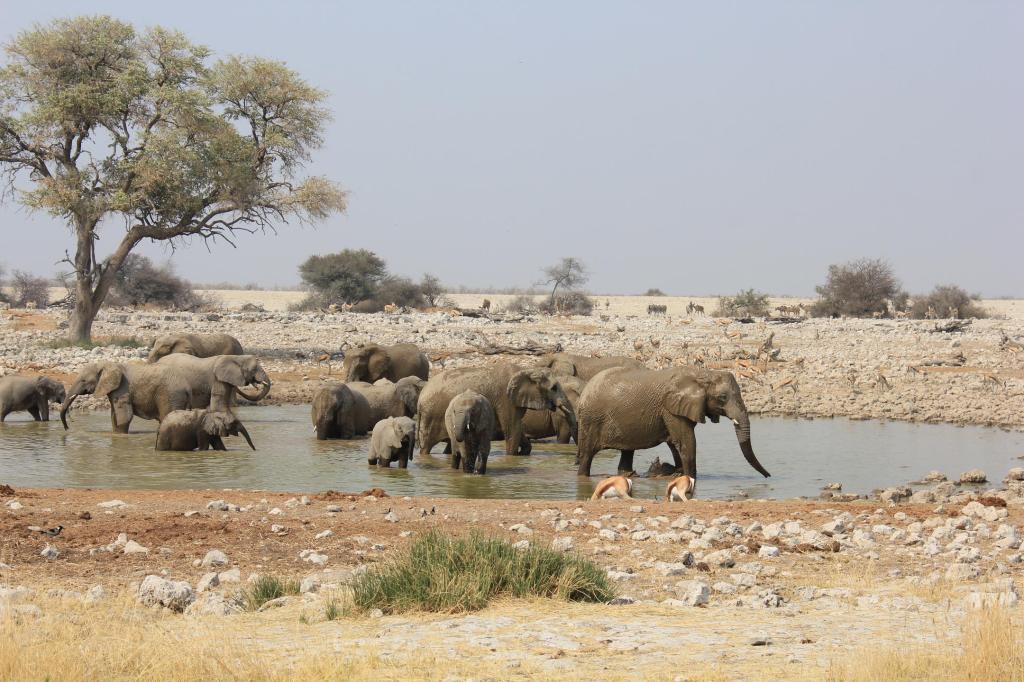
Today is dedicated to exploring Etosha National Park at your own pace.
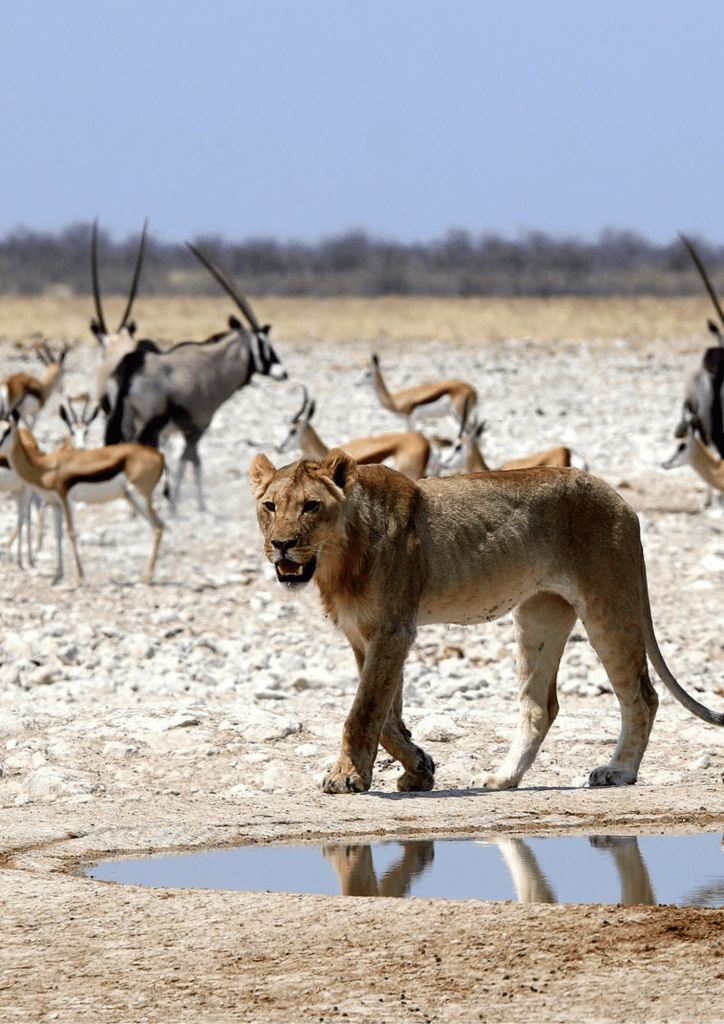
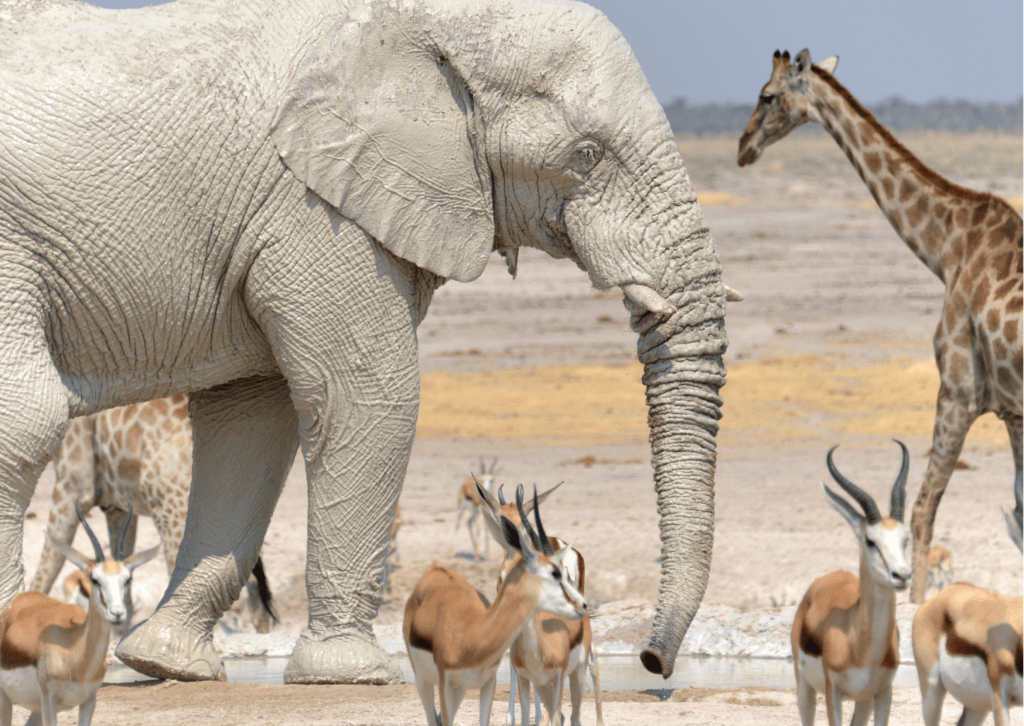
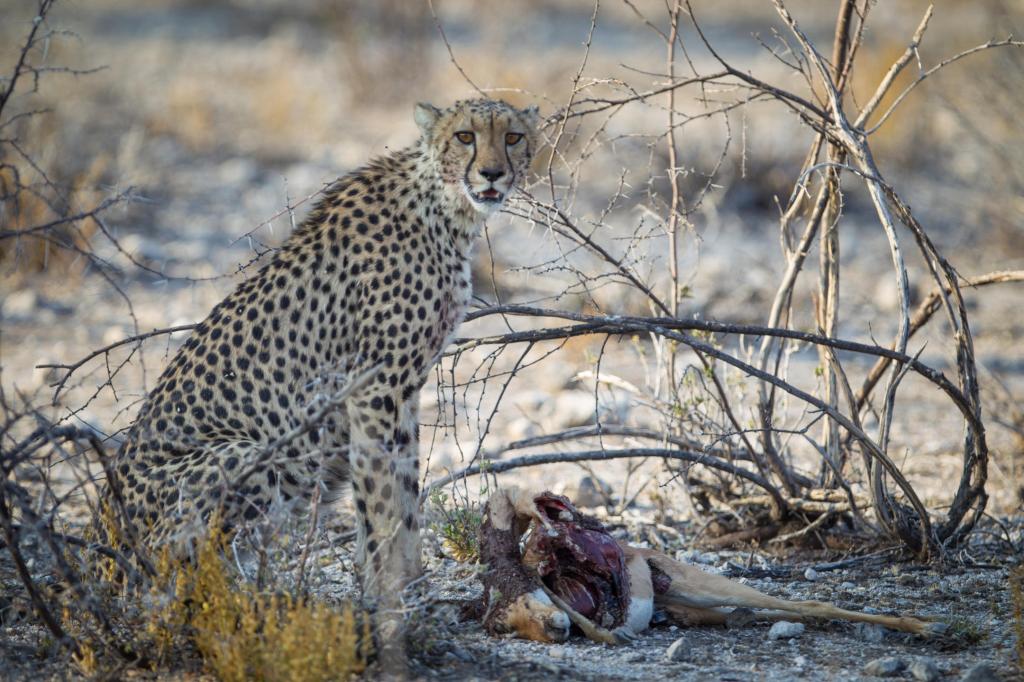
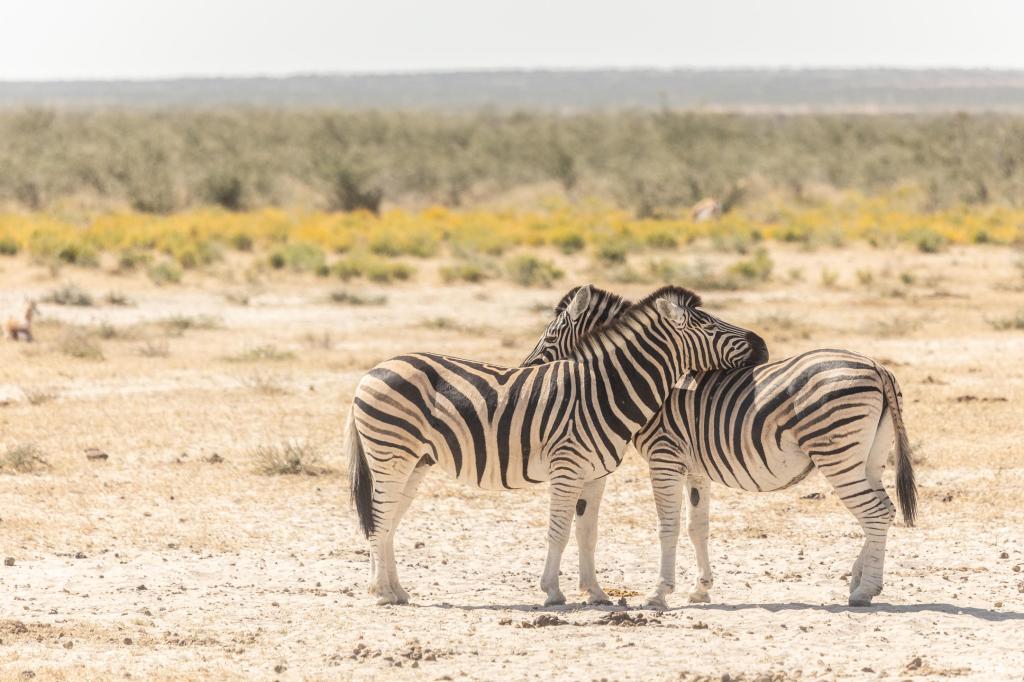
Etosha is one of Namibia’s best-known wildlife areas, centred around the enormous Etosha salt pan and a series of waterholes that attract wildlife from the surrounding plains.
Take your time driving between the waterholes and keep an eye out for elephants, giraffes, zebra, wildebeest, springbok, oryx, ostrich and the park’s predators.
There is no set route you need to follow today — part of the fun is stopping at waterholes, watching the wildlife and seeing what the day brings.
- Early breakfast
- Full-day self-drive safari in Etosha
- Wildlife viewing at the various waterholes
- Lunch at one of the park camps or another suitable stop
- Continue exploring
- Return to your accommodation in the afternoon
Good to know: Wildlife sightings are never guaranteed. The best approach is to take your time and spend a while at productive waterholes rather than trying to cover too much ground.
Day 13 · Etosha → Kamanjab area
Etosha → Kamanjab
Overnight: Kamanjab area
Today you’ll leave the Etosha area and make your way south towards Kamanjab.
Rather than rushing all the way back to Windhoek, you’ll have one final night in the countryside before your departure.
This also gives you a little breathing space after several days of wildlife and activities.
- Breakfast
- Depart Etosha area
- Drive towards Kamanjab
- Arrive at the guest farm
- Relax and enjoy your final evening in Namibia
Day 14 · Kamanjab → Windhoek Airport
Kamanjab → Windhoek & Departure
Driving: approximately 430 km | ±5½–6 hours
After breakfast, you’ll begin your final drive back towards Windhoek.
Allow plenty of time for the journey and your airport check-in. We recommend a late-afternoon or evening international departure on this day. If your flight is earlier, we would adjust the final night accordingly.
- Breakfast
- Depart Kamanjab
- Drive towards Windhoek
- Fuel stop / lunch en route
- Continue to Hosea Kutako International Airport
- Vehicle return
- Departure
What’s included
Your final itinerary will clearly specify which accommodation, transfers, meals and activities are included. Activities specifically listed as optional are not included unless otherwise stated.
Not included
Unless specifically mentioned in your final booking:
- International flights
- Fuel
- Optional activities
- Meals and drinks not specifically mentioned
- Personal expenses
- Travel insurance
- Tips
- Any activities or services arranged independently
* Children: Children aged 16+ can participate in all activities on this itinerary. If the rhino tracking is removed, the itinerary is suitable for children from 8 years.
Like the sound of this one?
This is a real route we’ve planned before, shown here to give you a feel for what’s possible. We can adjust the pace, the accommodation level, or swap in another region entirely.
More ways to explore Namibia
12 DAYS
Namibia’s Wild South
22 DAYS

