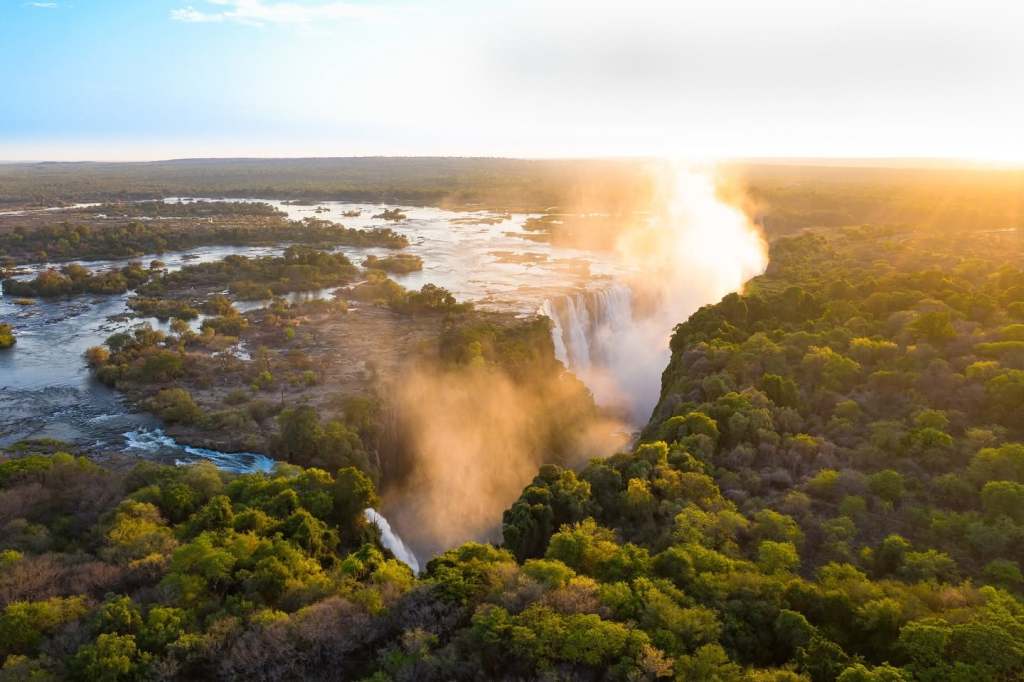
Victoria Falls To The Atlantic
22 days / 21 nights
From the thunder of Victoria Falls to the dunes of Sossusvlei – three countries, four rivers and some of Southern Africa’s wildest landscapes in one journey.
Who this trip is for
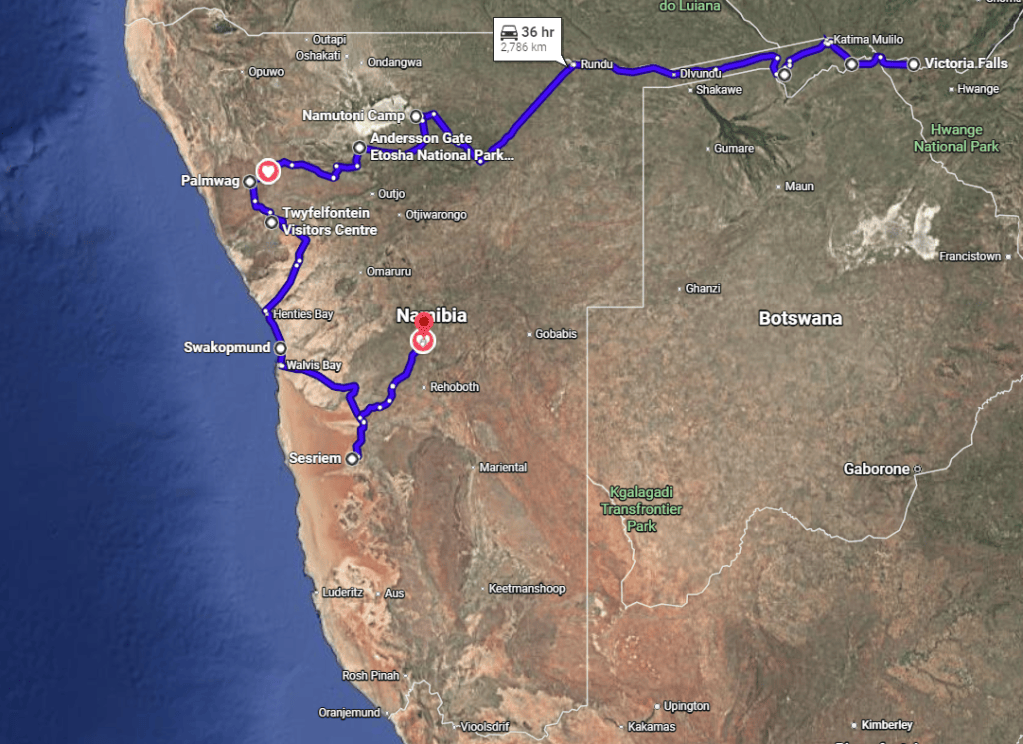
This journey takes you from the Victoria Falls and Chobe region through northern and central Namibia before finishing on the Atlantic coast.
This route combines wildlife, rivers, desert landscapes, remote conservation areas and time to explore independently.
You’ll travel through three countries, experience the Chobe and Zambezi regions, explore Etosha National Park, spend time hiking in the remote Etendeka wilderness, search for desert-adapted elephants and black rhinos, and finish among the dunes and Atlantic coastline around Swakopmund and Sossusvlei.
This is a trip for travellers who enjoy variety, wildlife and adventure, but also appreciate comfortable accommodation and having time to experience each destination rather than rushing through it.
Trip highlights
- Begin with Victoria Falls, one of Africa’s great natural landmarks
- Experience the Chobe region, combining a river cruise with a safari in Chobe National Park
- Explore the waterways and wildlife of Namibia’s Zambezi Region
- Enjoy a sunset cruise on the Kavango River
- Explore the Mahango area of Bwabwata National Park and its wildlife
- Spend time exploring Etosha National Park, one of Namibia’s best-known wildlife areas
- Spend two nights in the remote Etendeka wilderness, with guided walks and desert-adapted wildlife
- Search for free-roaming black rhinos in the Grootberg area
- Explore the rugged landscapes of Damaraland
- Search for desert-adapted elephants
- Visit the ancient rock engravings at Twyfelfontein
- Spend two nights in Swakopmund, with a choice of desert and coastal activities
- Experience the dunes of Sandwich Harbour
- Experience Sossusvlei from above on a hot-air balloon flight
Route map
Day by day
Day 1 · Victoria Falls, Zimbabwe
Arrival In Victoria Falls
Overnight: Victoria Falls
Your journey begins in Victoria Falls, where you’ll have the chance to settle in after your journey and enjoy your first evening in Zimbabwe.
Victoria Falls sits on the Zambezi River and is one of Africa’s most famous natural landmarks.
- Arrival in Victoria Falls
- Airport transfer
- Check in
- Time to settle in and relax
- Dinner
Day 2 · Victoria Falls
Victoria Falls
Overnight: Victoria Falls
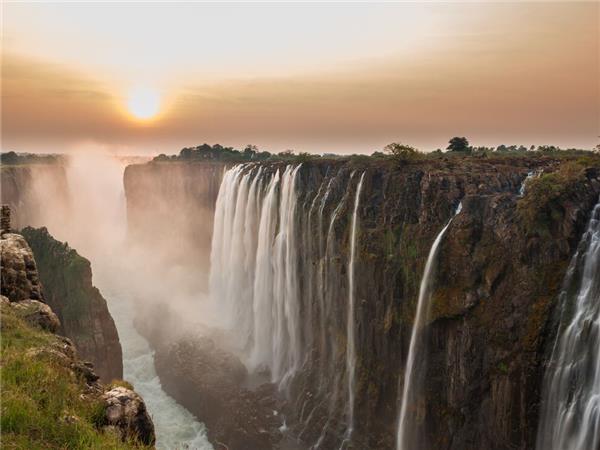
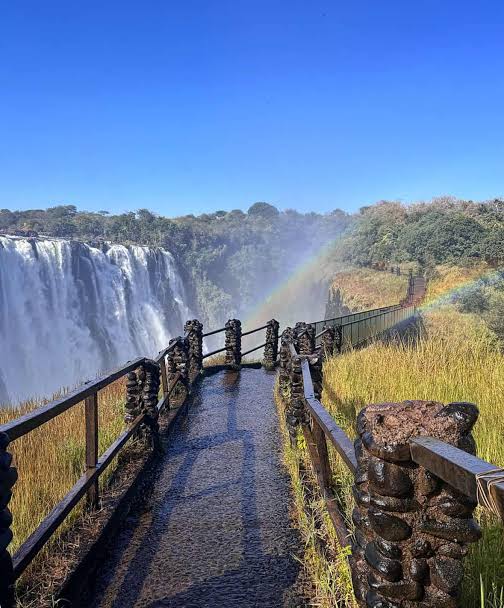
Today you’ll explore Victoria Falls with a guided tour.
Walk through the rainforest and viewpoints overlooking the falls while learning more about the geology, history and natural environment of this spectacular part of the Zambezi.
The rest of the day is yours to explore Victoria Falls at your own pace.
- Breakfast
- Guided Victoria Falls tour
- Explore the viewpoints and rainforest
- Time to explore Victoria Falls
- Dinner
Good to know: The amount of water flowing over the falls changes throughout the year, so the appearance of Victoria Falls varies significantly between the wetter and drier seasons.
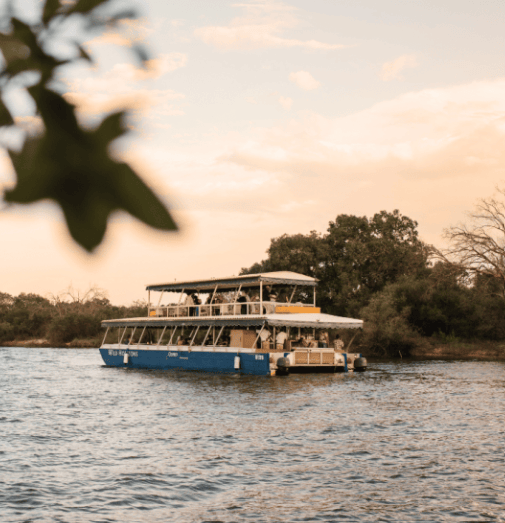
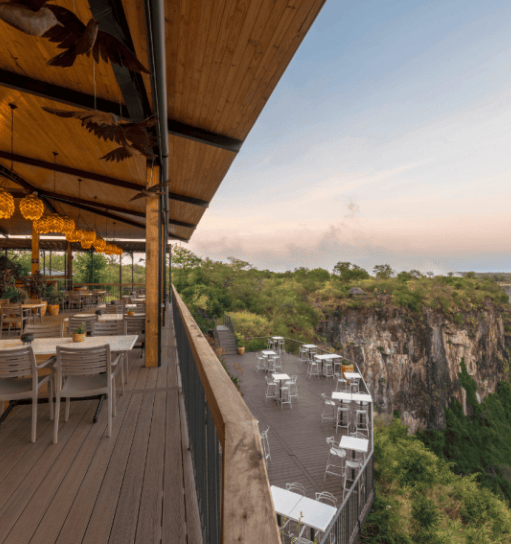
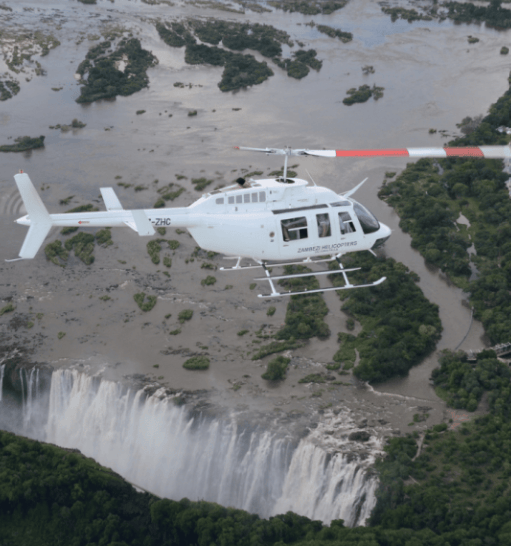
Day 3 · Victoria Falls → Chobe
Victoria Falls → Chobe
Overnight: Chobe River
Today you’ll leave Victoria Falls behind and continue towards the Chobe region.
The journey takes you across international borders and into the wildlife-rich landscapes surrounding the Chobe River.
Once you’ve arrived, you’ll have time to settle in and enjoy your first evening beside the river.
- Breakfast
- Depart Victoria Falls
- Travel towards the Chobe region
- Border formalities
- Arrive at the Chobe River
- Settle in
- Enjoy the surroundings
Day 4 · Chobe, Botswana
Chobe River & Chobe National Park
Overnight: Chobe River
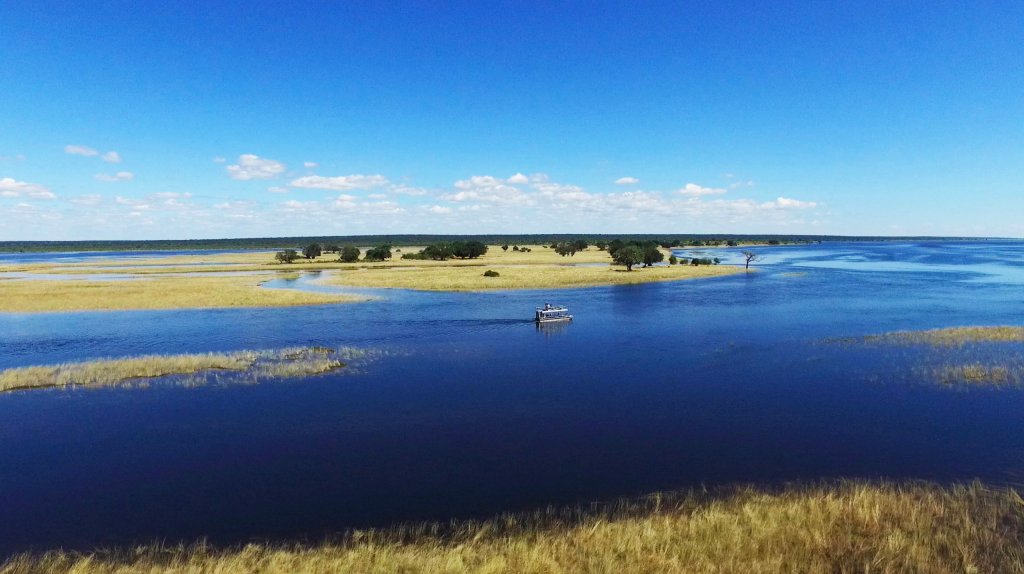
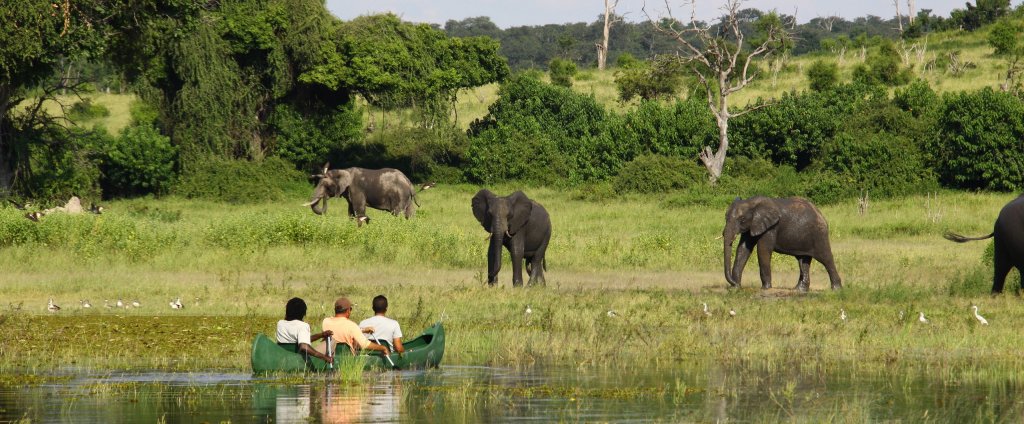
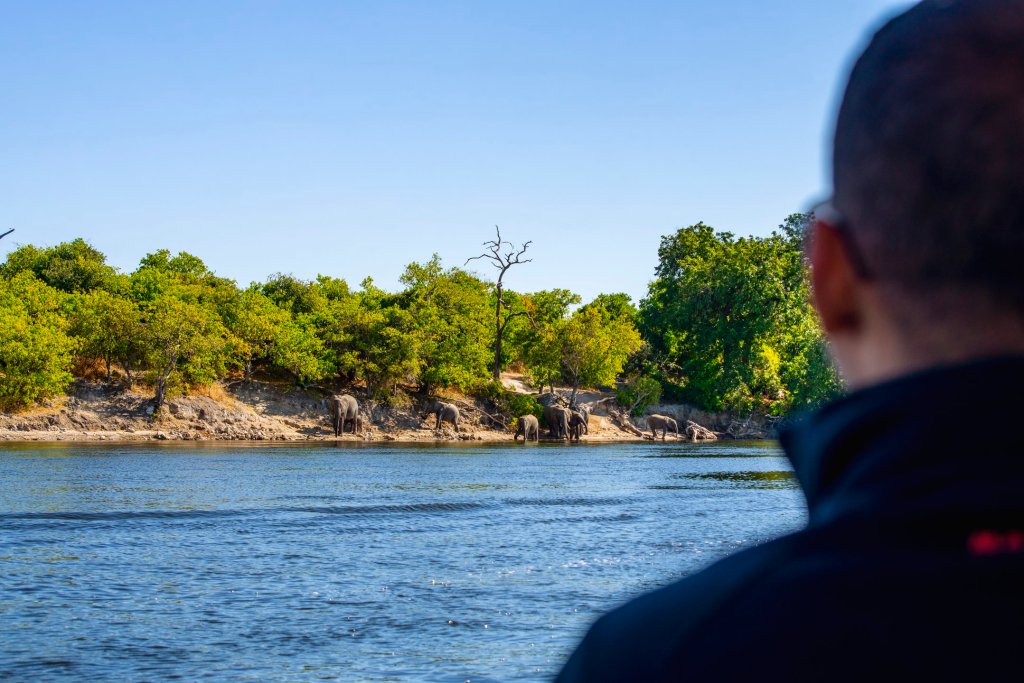
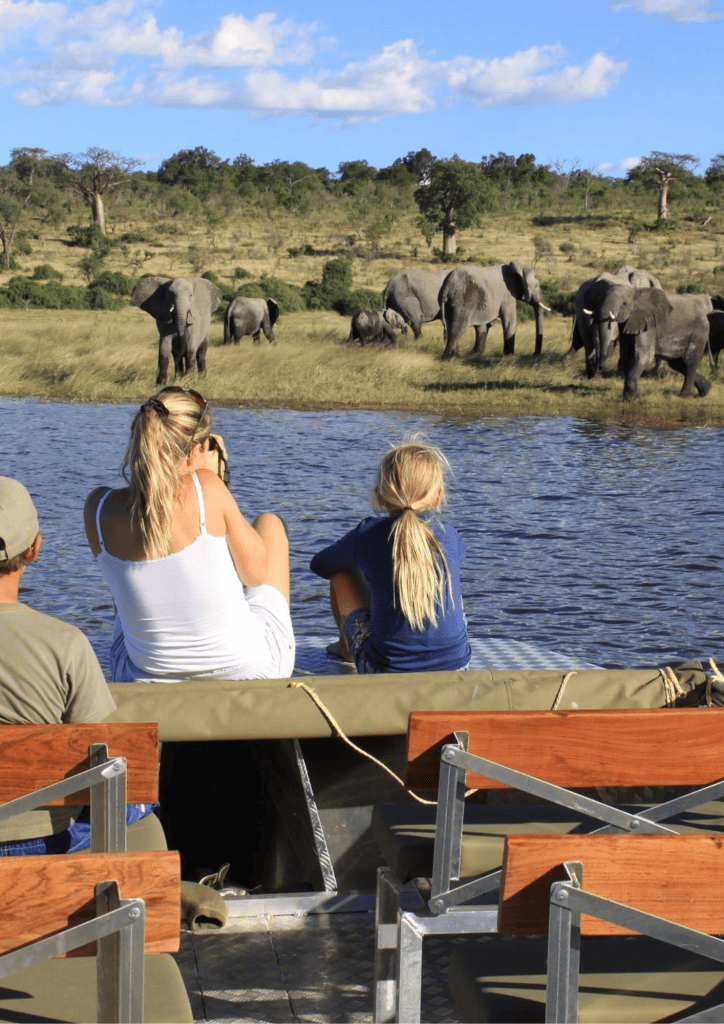
Today is dedicated to experiencing the Chobe region, one of southern Africa’s best-known wildlife areas.
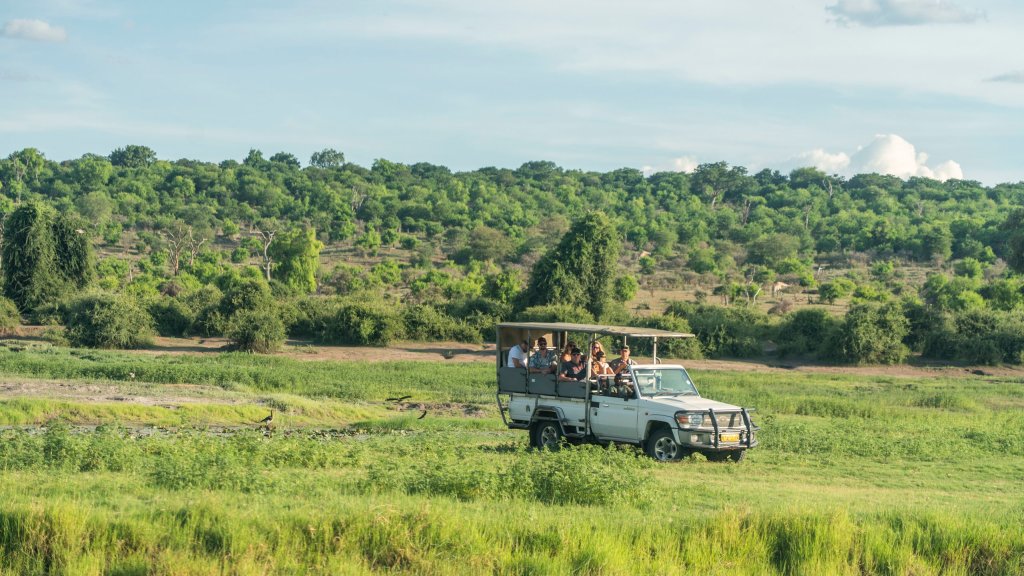
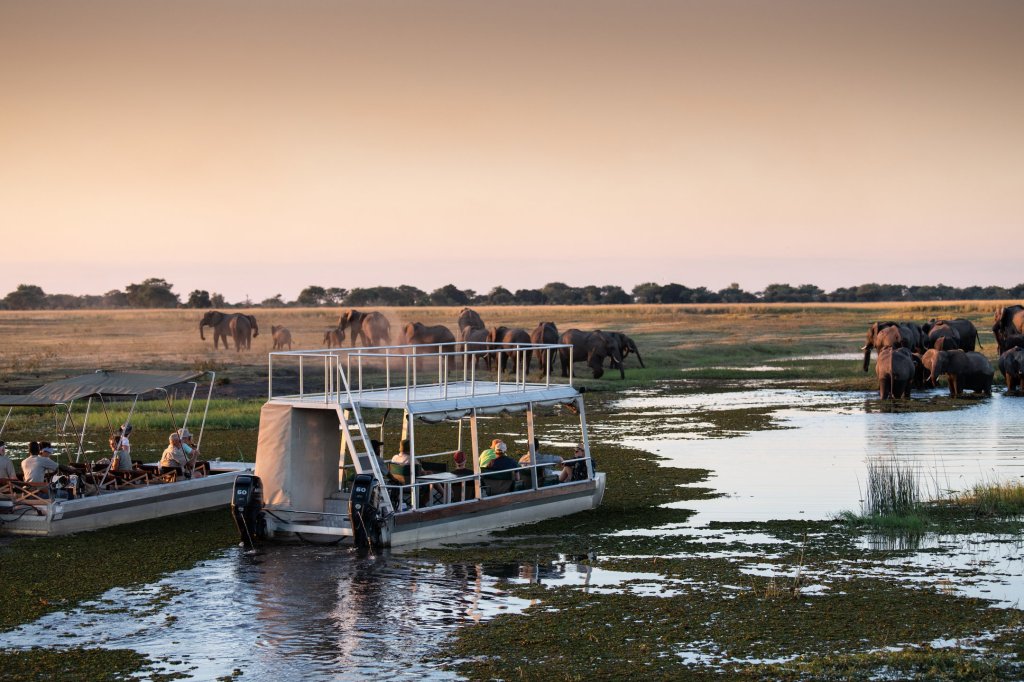
You’ll combine a river safari with a game drive in Chobe National Park.
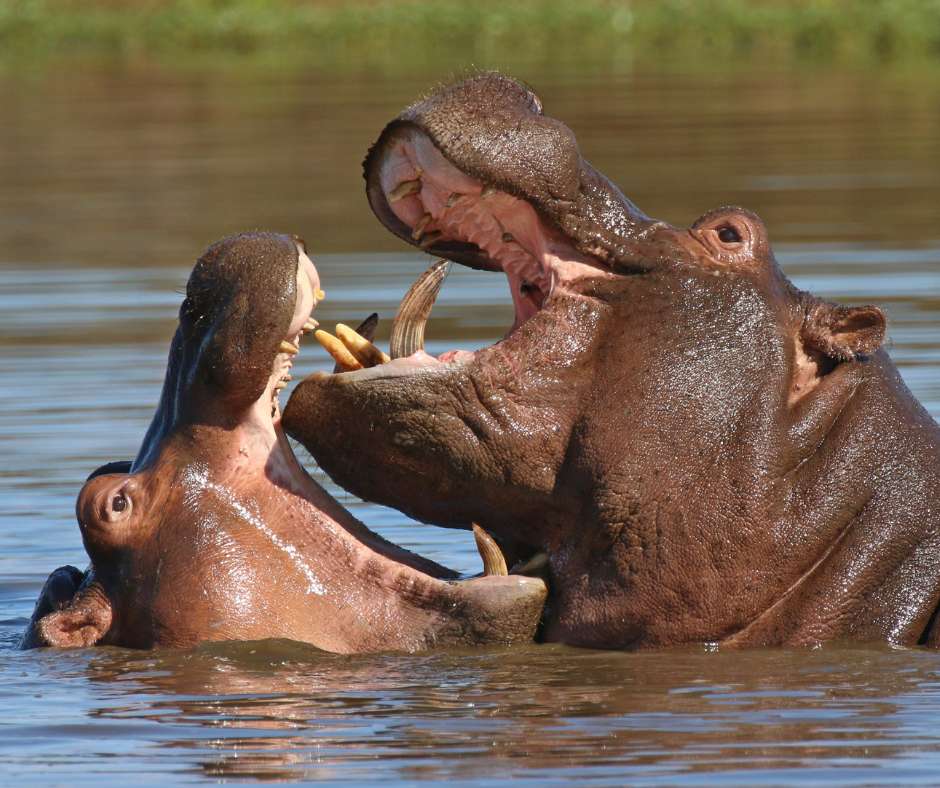
From the water, look out for elephants gathering along the riverbanks, hippos, crocodiles and abundant birdlife. Later, head into the national park by 4×4 in search of wildlife on land.
- Early morning departure
- Chobe River cruise
- Wildlife viewing from the water
- Lunch
- Afternoon game drive in Chobe National Park
- Return to Namibia
- Dinner
Good to know: Chobe is particularly well known for its large elephant population, and seeing herds gathering at the river is often one of the highlights of a stay here.
Day 5 · Chobe → Zambezi Region
Chobe → Mudumu
Overnight: Mudumu National Park area
Today you’ll continue into Namibia’s Zambezi Region.
The landscape becomes greener as you move towards the wetlands, rivers and woodlands of the region.
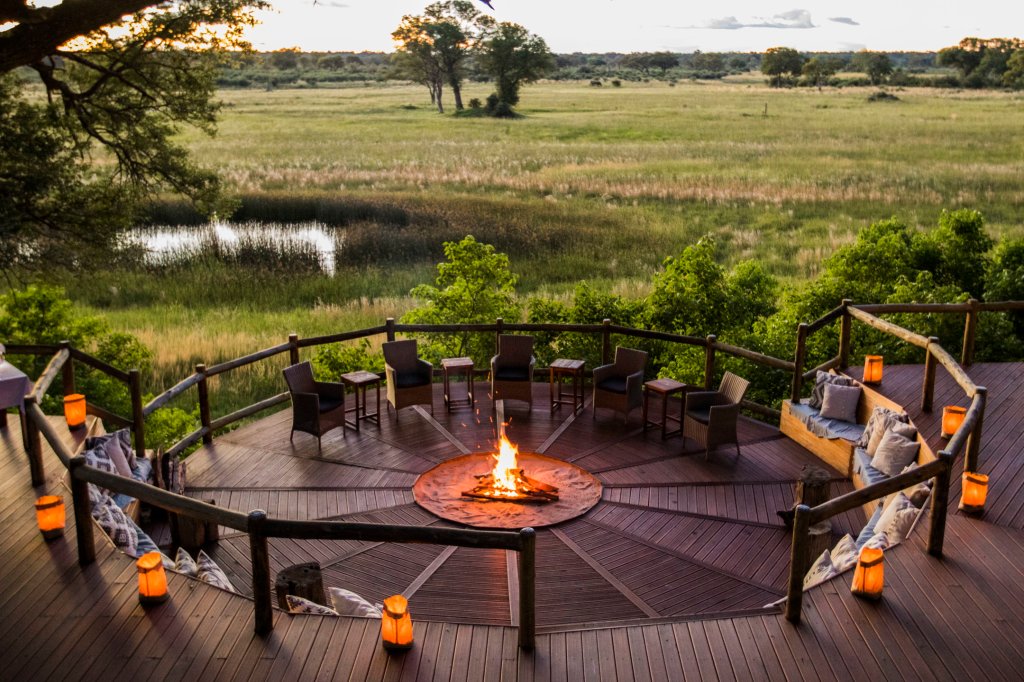
Your destination is the area around Mudumu National Park, where you’ll spend the next night surrounded by nature.
- Breakfast
- Depart the Chobe region
- Continue into Namibia
- Drive through the Zambezi Region
- Arrive in the Mudumu area
- Settle in
- Afternoon activity or time to explore the surroundings
Day 6 · Mudumu → Divundu
Mudumu → Divundu
Overnight: Divundu
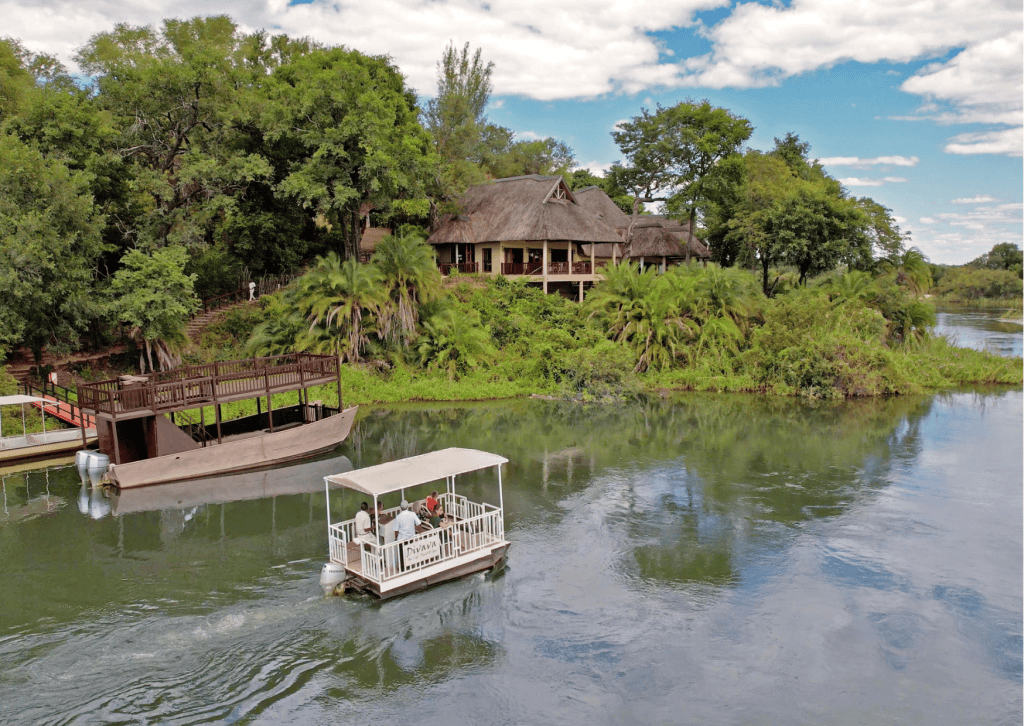
Today you’ll continue west through the Zambezi Region towards Divundu and the Kavango River.
The area around Divundu is characterised by waterways, floodplains and woodland, creating a very different landscape from the dry deserts you’ll encounter later in the trip.
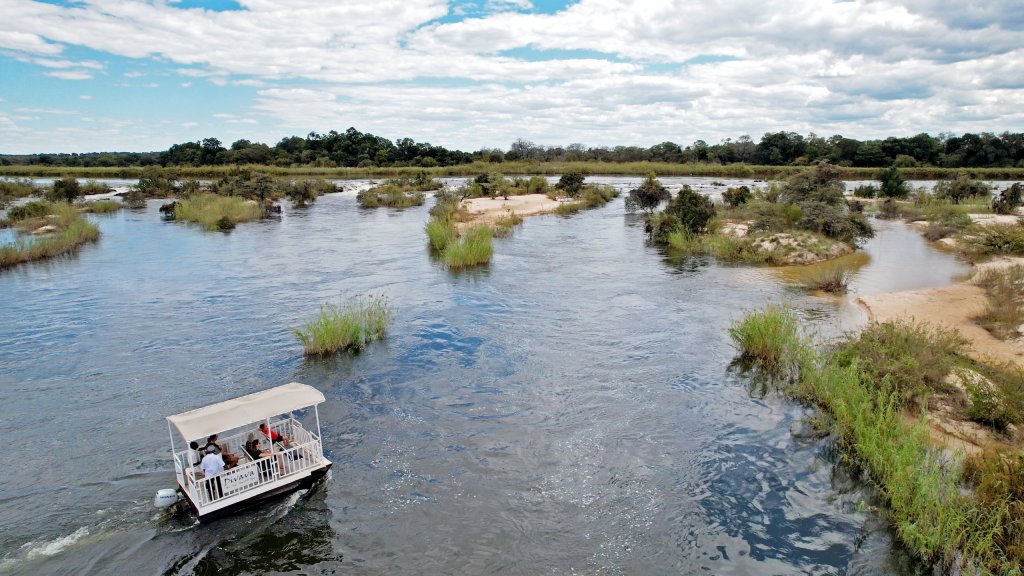
In the evening, enjoy a sunset cruise on the Kavango River.
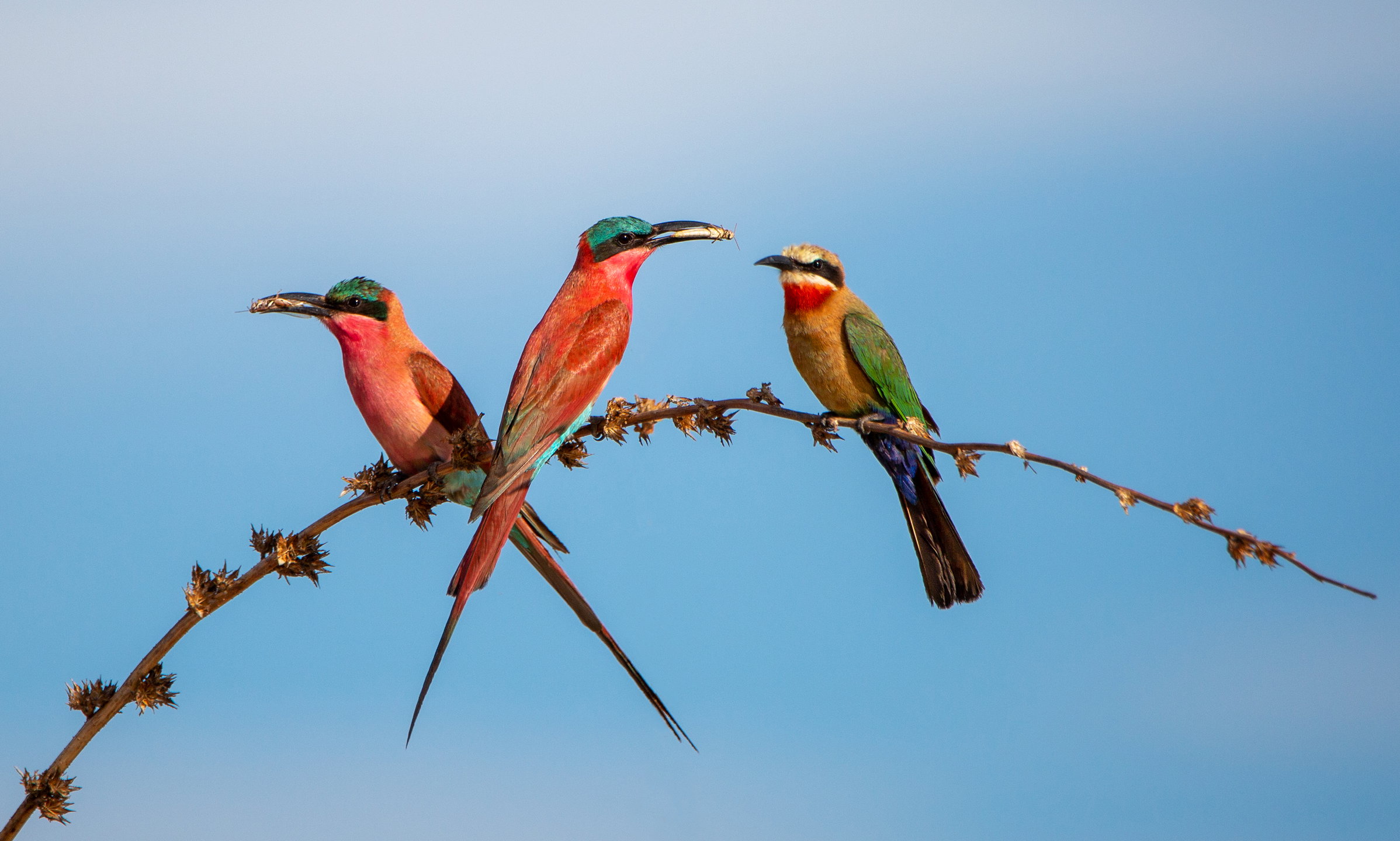
As the light fades, keep an eye out for hippos, crocodiles and the many bird species that live along the river.
- Breakfast
- Depart Mudumu
- Continue towards Divundu
- Arrive in Divundu
- Sunset cruise on the Kavango River
- Dinner
Day 7 · Divundu
Divundu & the Mahango Area
Overnight: Divundu
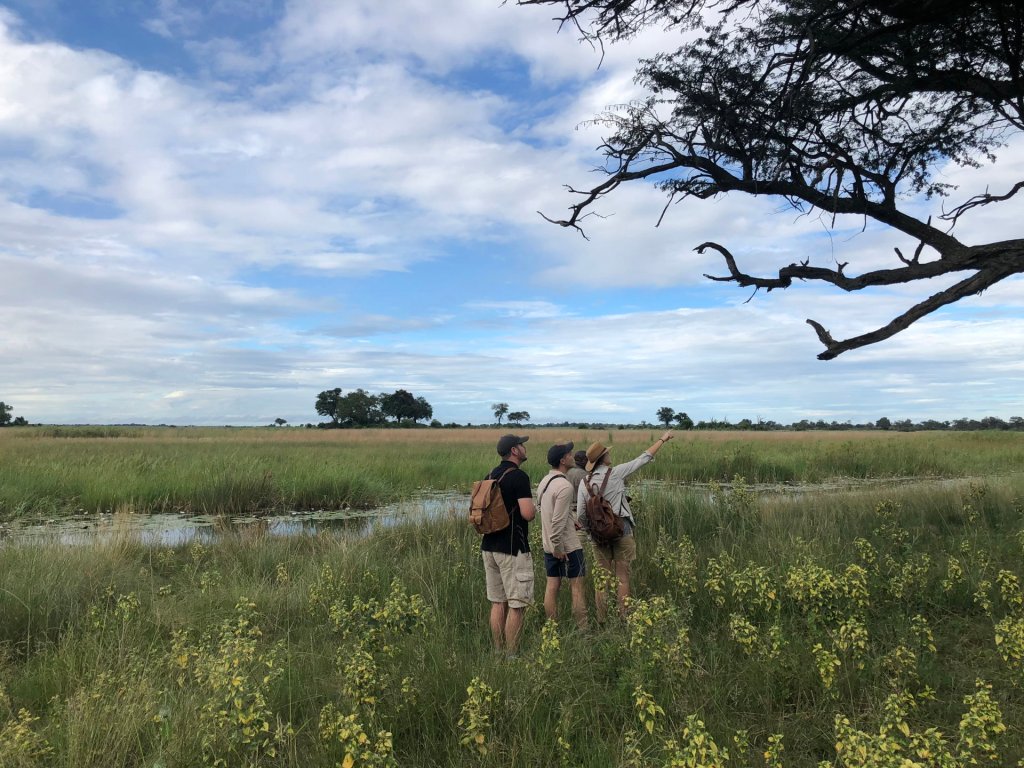
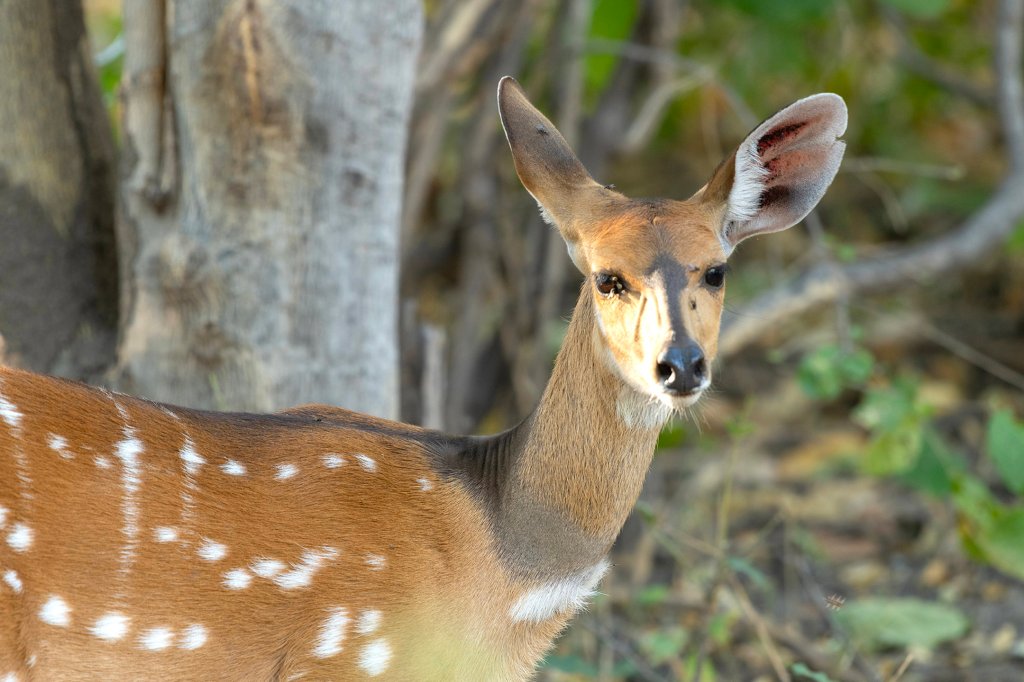
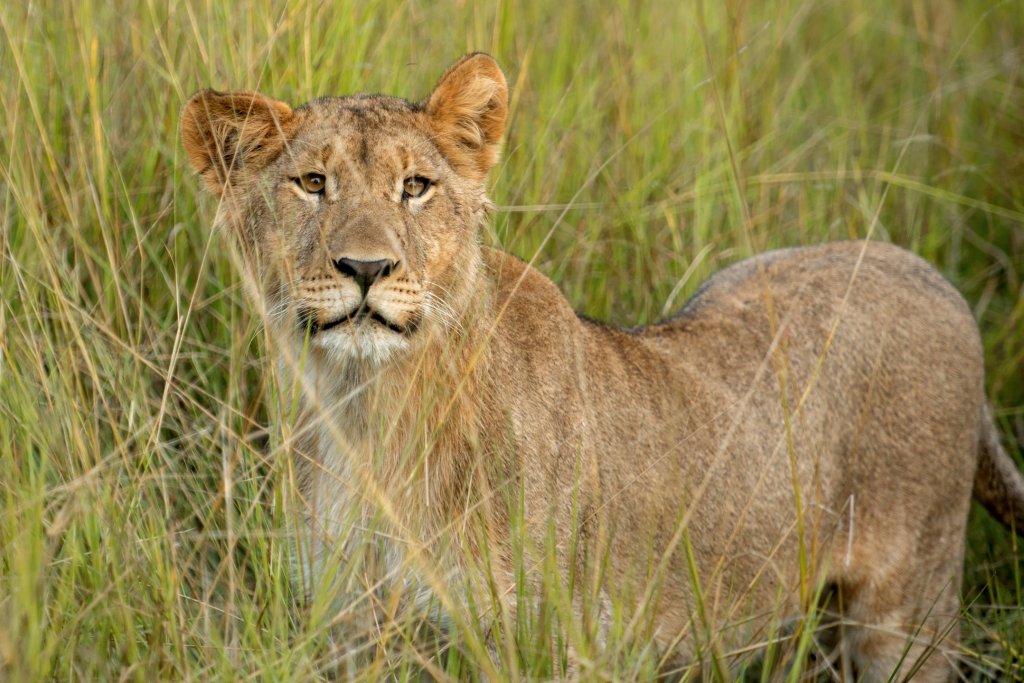
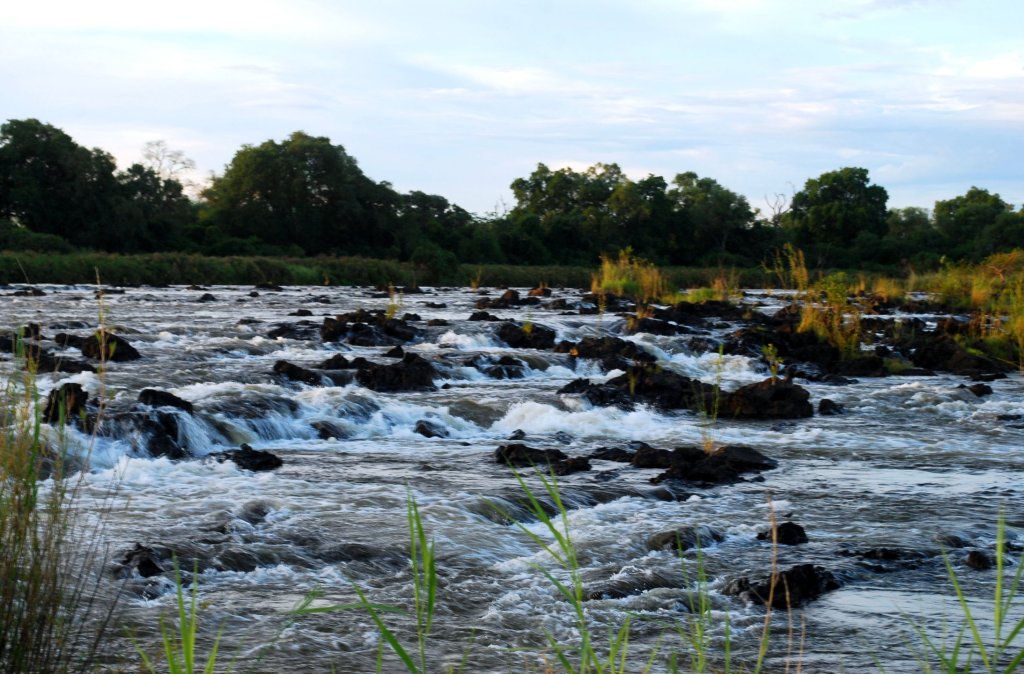
Today you’ll explore the wildlife and waterways around Divundu and the Mahango area of Bwabwata National Park.
Mahango lies on the western side of Bwabwata, a large protected area in north-eastern Namibia where wildlife moves freely between woodland and river systems.
A guided wildlife experience allows you to concentrate on the landscape and animals while your guide shares more about the region.
- Breakfast
- Guided wildlife activity
- Explore the Mahango area
- Lunch
- Afternoon at your own pace
- Optional additional activity, depending on availability
Day 8 · Divundu → Rundu
Divundu → Kavango River
Driving: approximately 210 km | ±2½–3 hours·Overnight: Kavango River
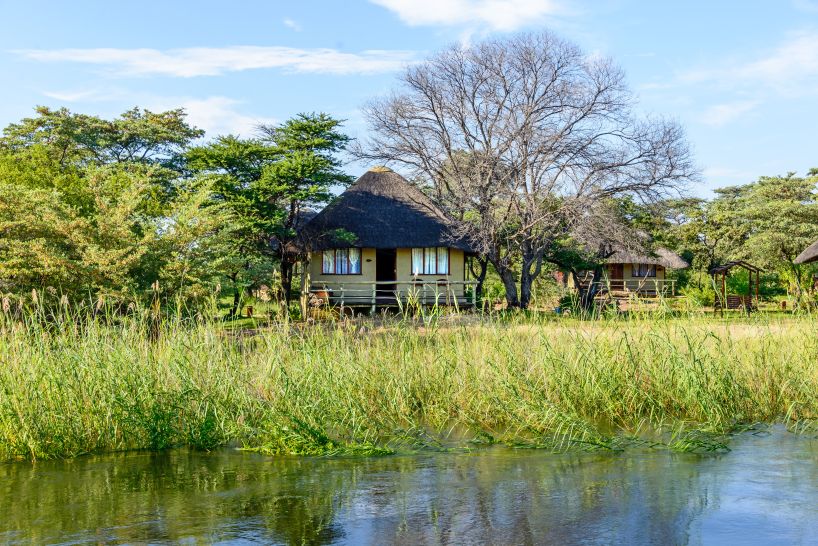
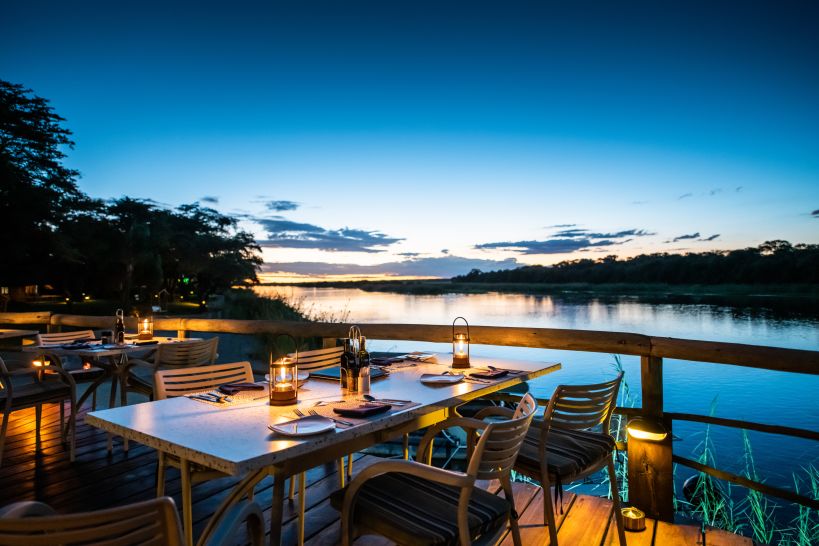
Today you’ll continue west along the Kavango River towards Rundu.
The river remains a constant presence as you travel through the Kavango region, passing small settlements and traditional rural landscapes along the way.
You’ll arrive at your riverside lodge near Rundu in the afternoon, with time to enjoy the river and surrounding landscape.
- Breakfast
- Depart Divundu
- Continue towards Rundu
- Arrive at your lodge on the Kavango River
- Settle in
- Enjoy the river surroundings
Day 9 · Kavango Region → Etosha
Kavango River → Etosha Area
Overnight: Etosha area
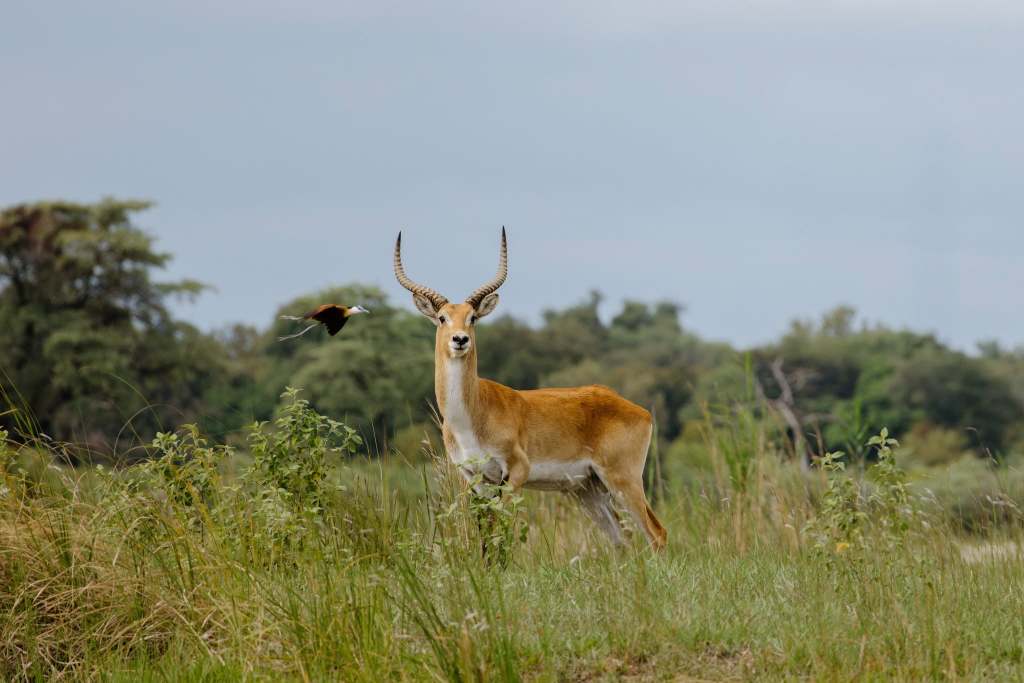
Today you’ll leave the Kavango River behind and make your way south towards Etosha.
The landscape gradually becomes drier as you travel away from the river, eventually reaching the open plains surrounding Etosha National Park.
This is primarily a travel day, giving you the opportunity to settle in near Etosha before beginning your wildlife experience in the park.
- Breakfast
- Depart the Kavango River
- Travel south towards Etosha
- Stop along the way
- Arrive in the Etosha area
- Settle in
- Dinner
Day 10 · Etosha National Park
Etosha National Park
Overnight: Etosha area
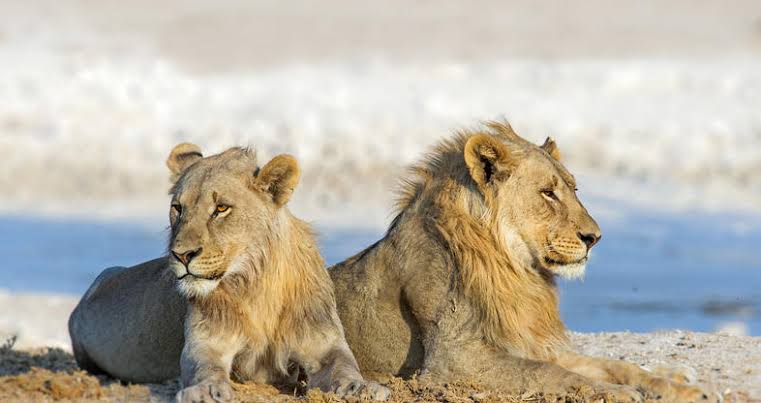
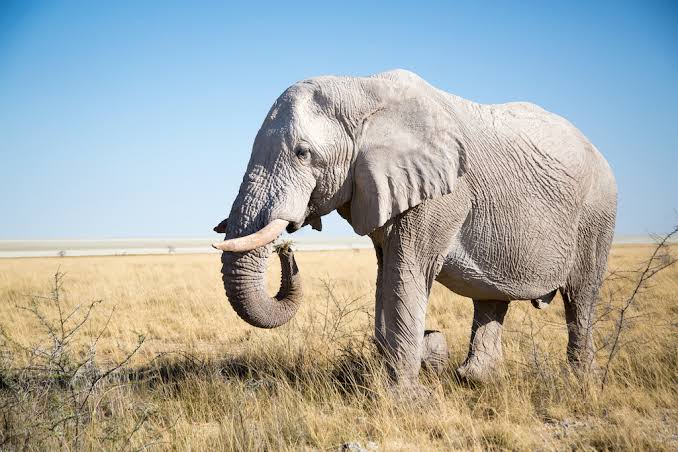
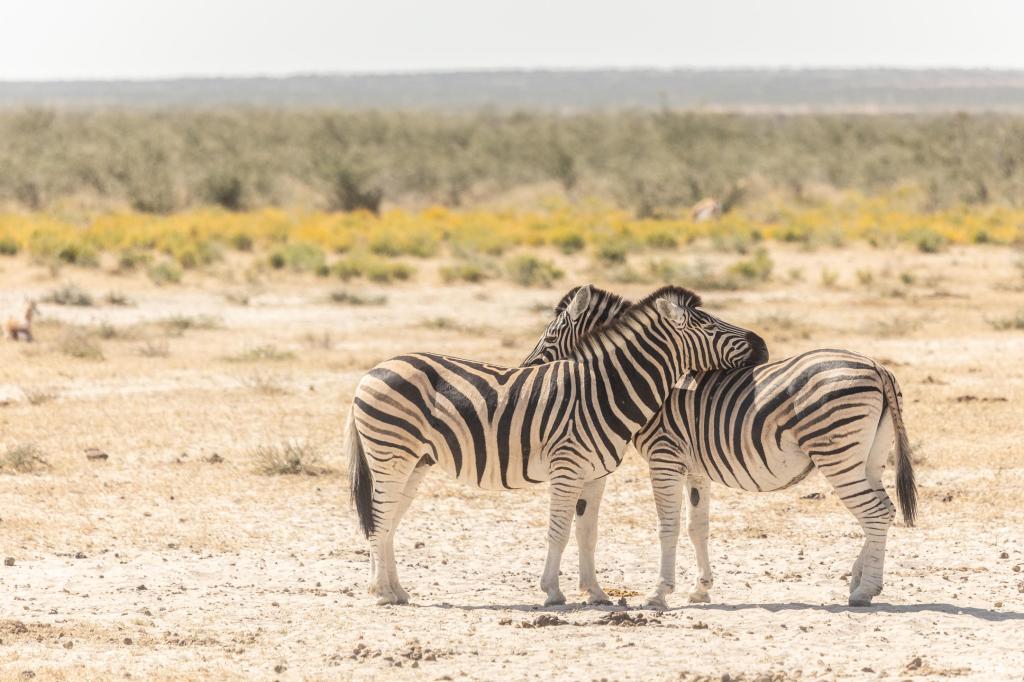
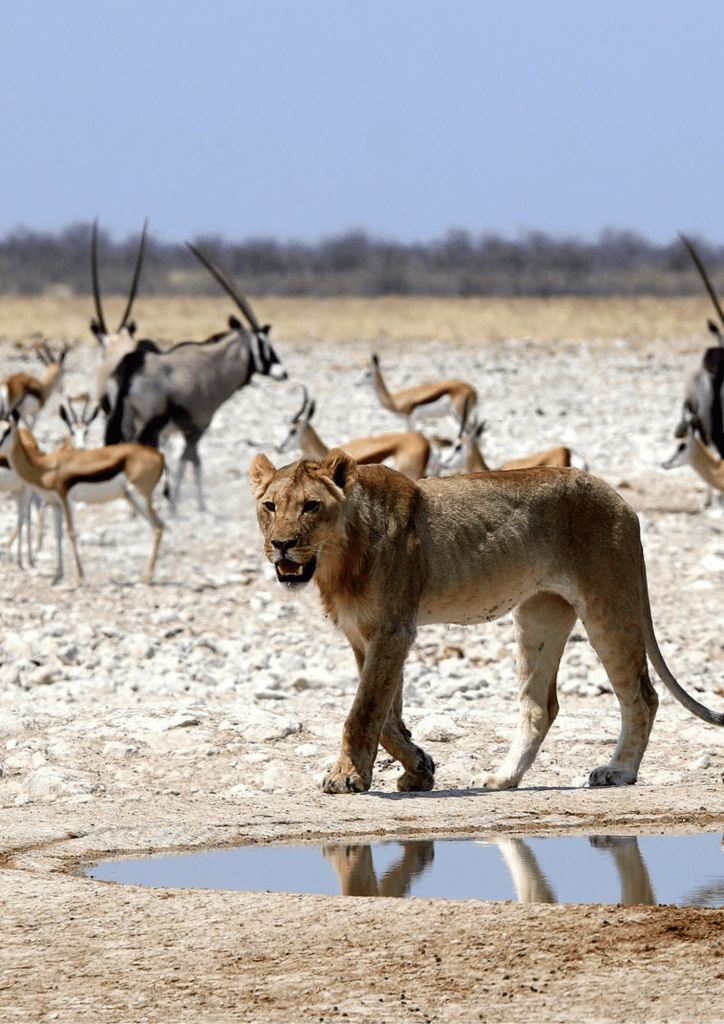
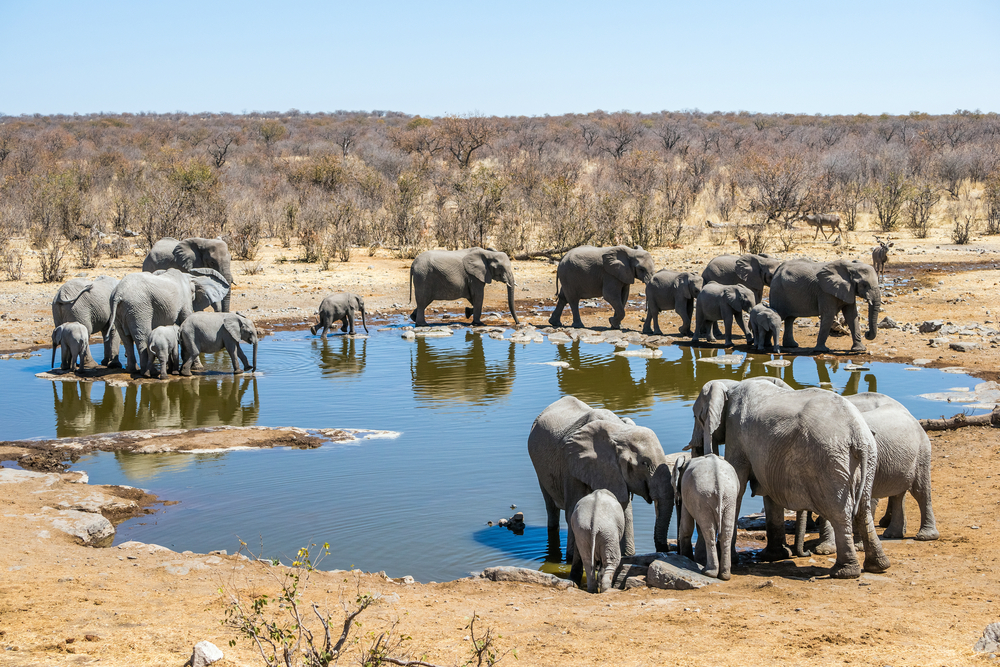
Today you’ll enter Etosha National Park and begin exploring one of Namibia’s most famous wildlife destinations.
The park is centred around the enormous Etosha salt pan, with waterholes scattered across the surrounding plains.
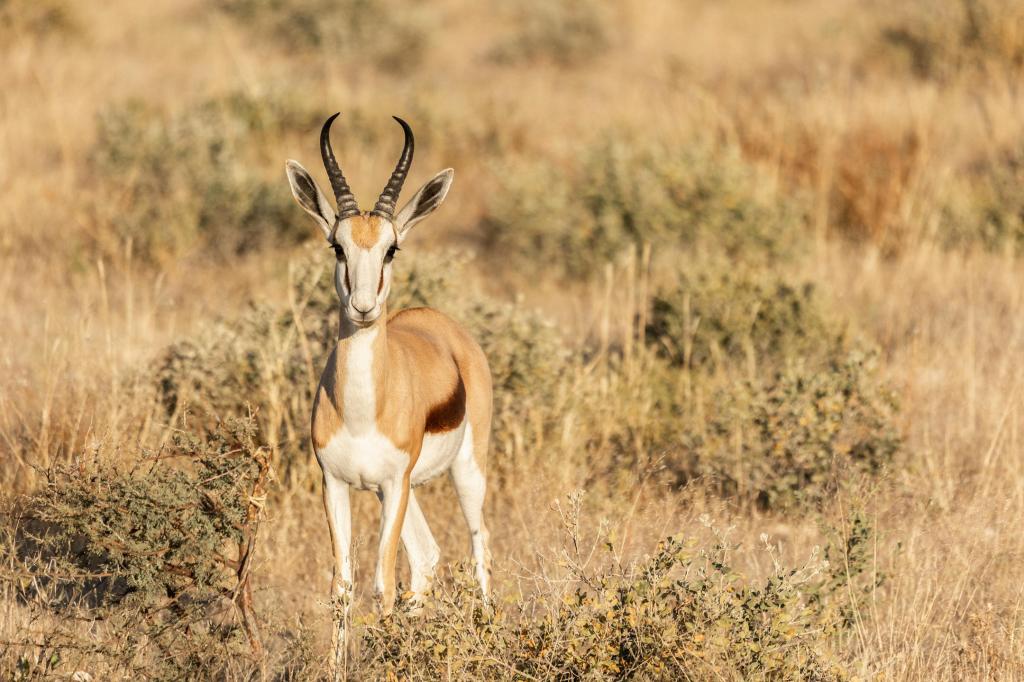
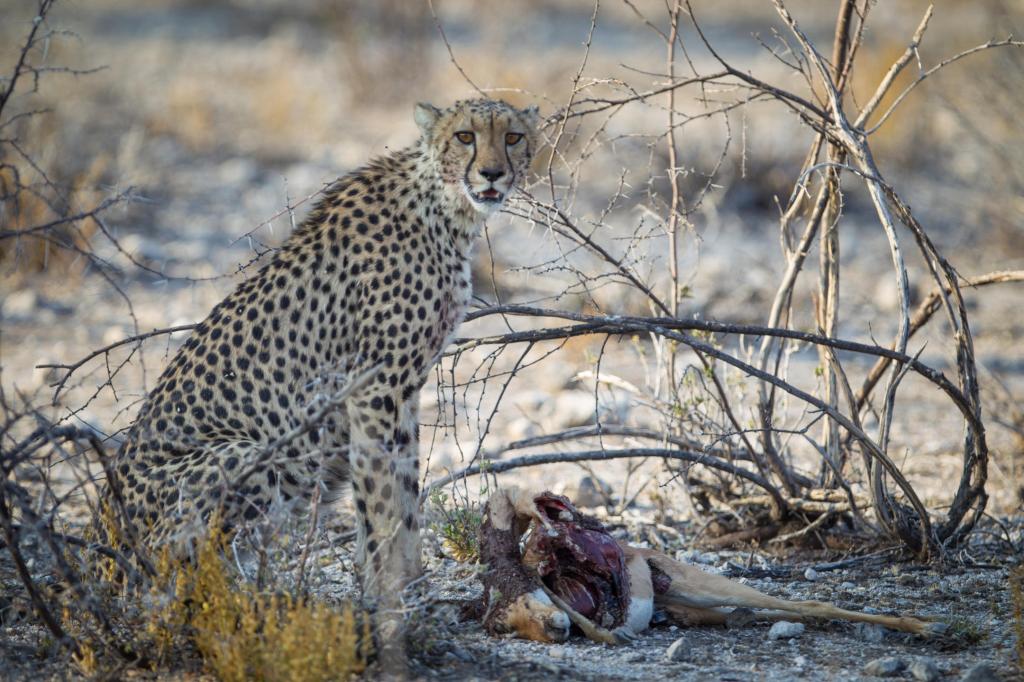
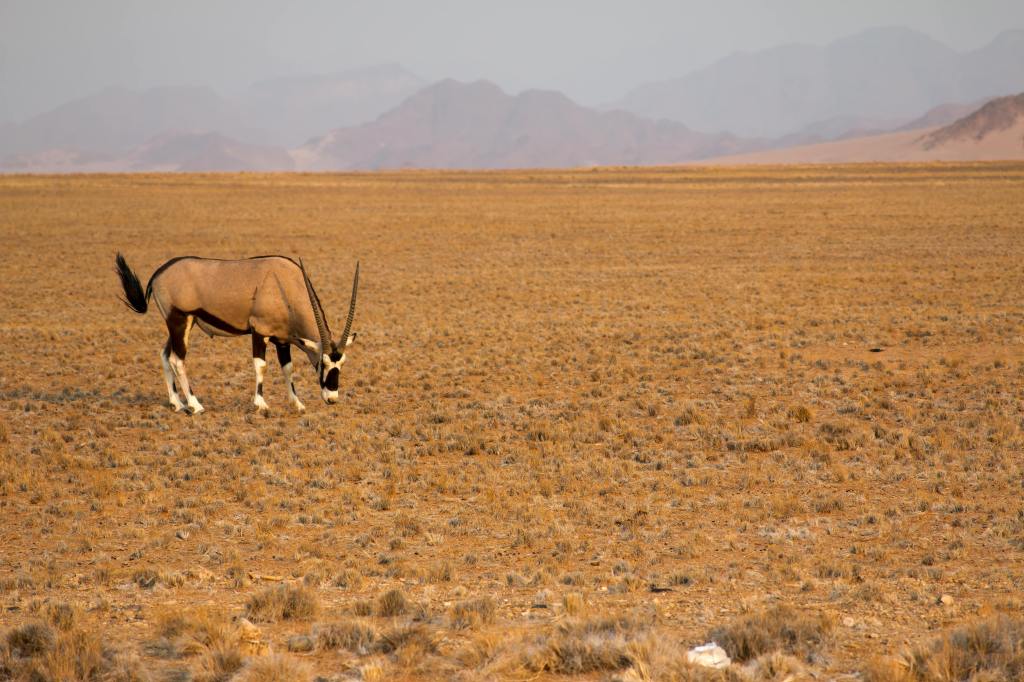
Take your time driving through the park, stopping at waterholes and watching for elephants, giraffes, zebra, springbok, oryx, wildebeest and predators.
- Early breakfast
- Enter Etosha National Park
- Wildlife viewing
- Explore different waterholes
- Picnic or lunch stop
- Continue through the park
- Exit towards the western side
Good to know: Wildlife sightings are never guaranteed. Water availability and seasonal conditions have a major influence on where animals are found.
Day 11 · Etosha National Park
Full Day In Etosha
Overnight: Etosha area
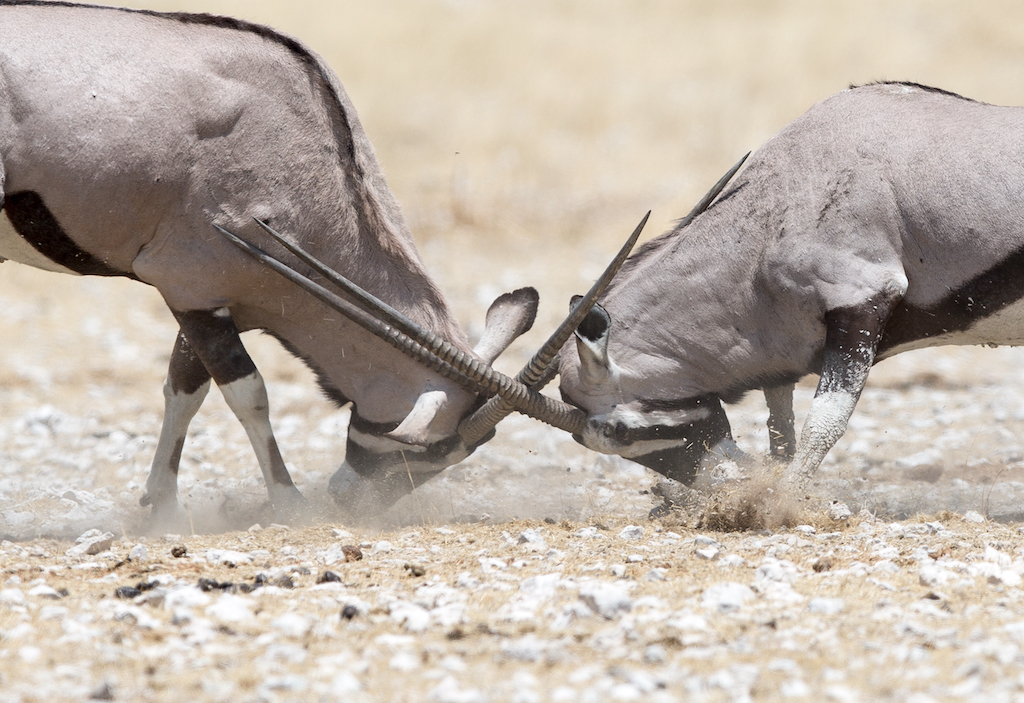
Today you’ll have another full day to explore Etosha.
With a second day in the park, there is no need to rush between waterholes. You can spend more time watching wildlife and enjoying the changing landscapes around the enormous salt pan.
- Early breakfast
- Full-day wildlife drive
- Explore different waterholes
- Wildlife viewing
- Lunch stop
- Continue exploring
- Return to your accommodation in the afternoon
Day 12 · Etosha → Etendeka
Etosha → Etendeka
Driving: approximately 300 km | allow most of the day·Overnight: Etendeka
Today you’ll leave Etosha behind and head west towards the remote landscapes of Damaraland and the Etendeka Wilderness.
The scenery changes dramatically as you leave the open Etosha plains and enter a landscape of ancient mountains, rocky valleys and dry riverbeds.
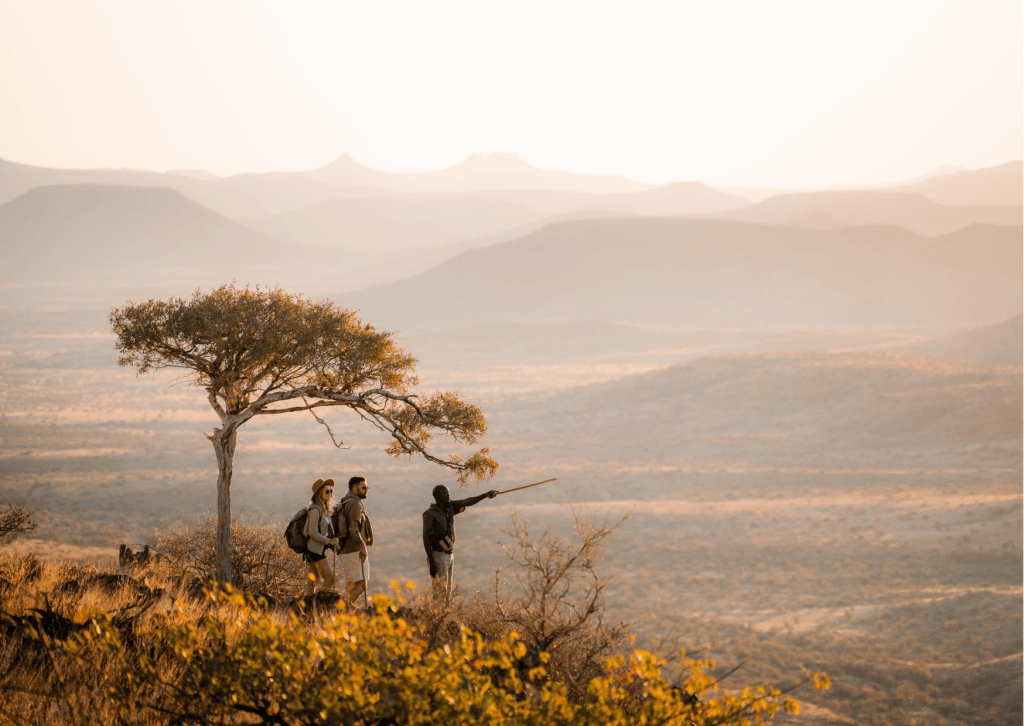
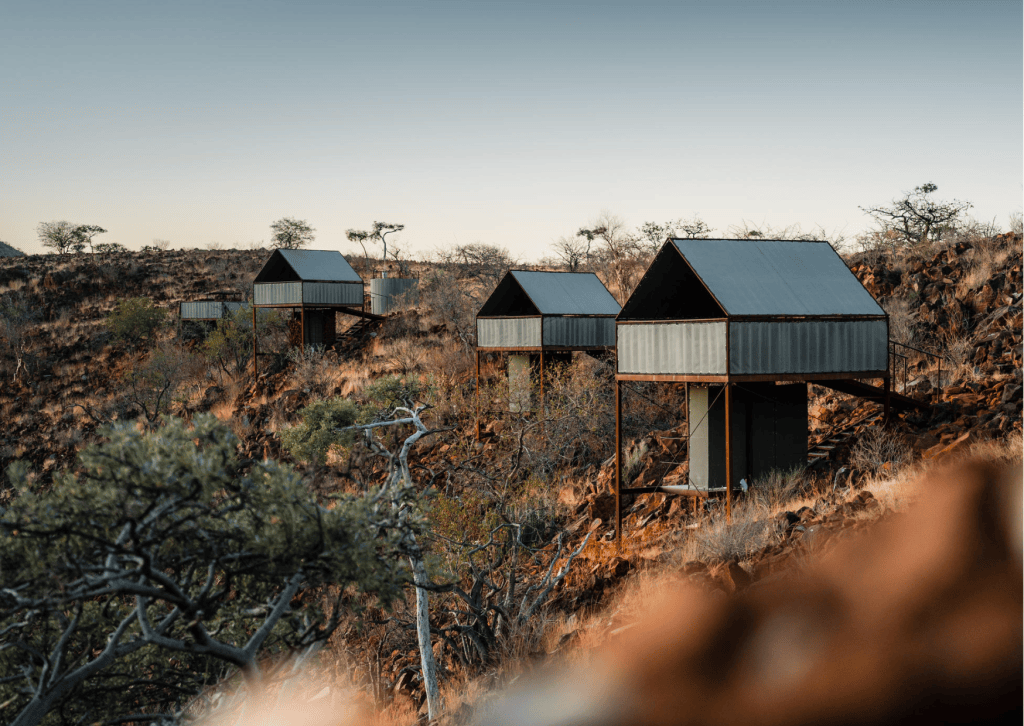
Etendeka offers a very different way of experiencing Namibia — on foot rather than from a vehicle.
- Breakfast
- Depart Etosha
- Continue towards Etendeka
- Arrive at the Etendeka pick-up point
- Transfer into the wilderness area
- Afternoon nature activity
- Sundowner
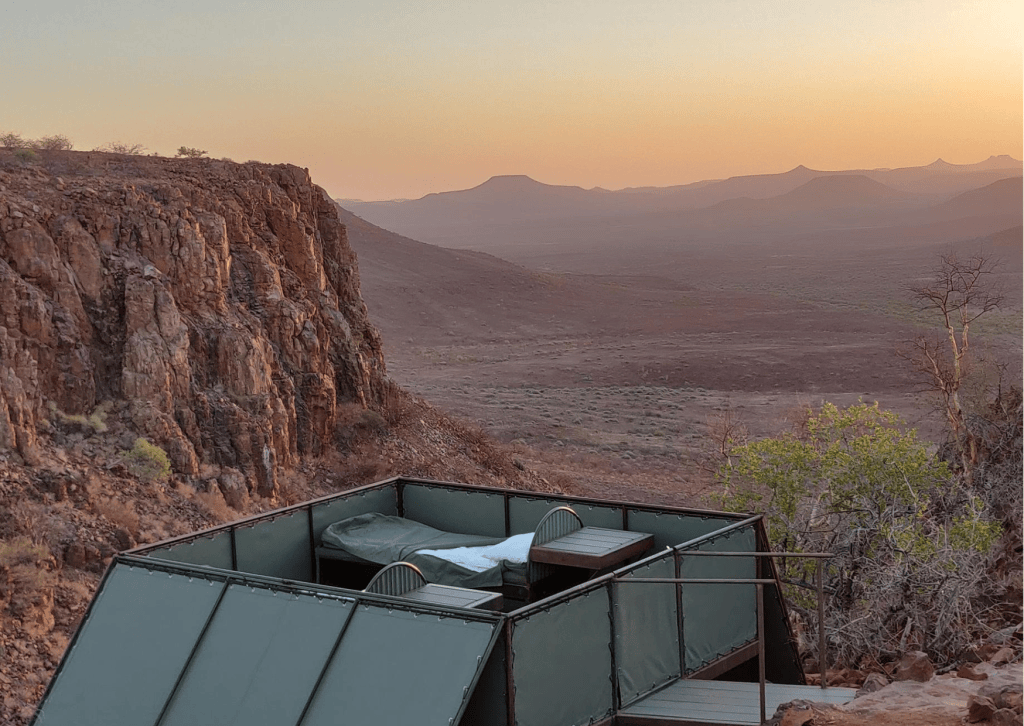
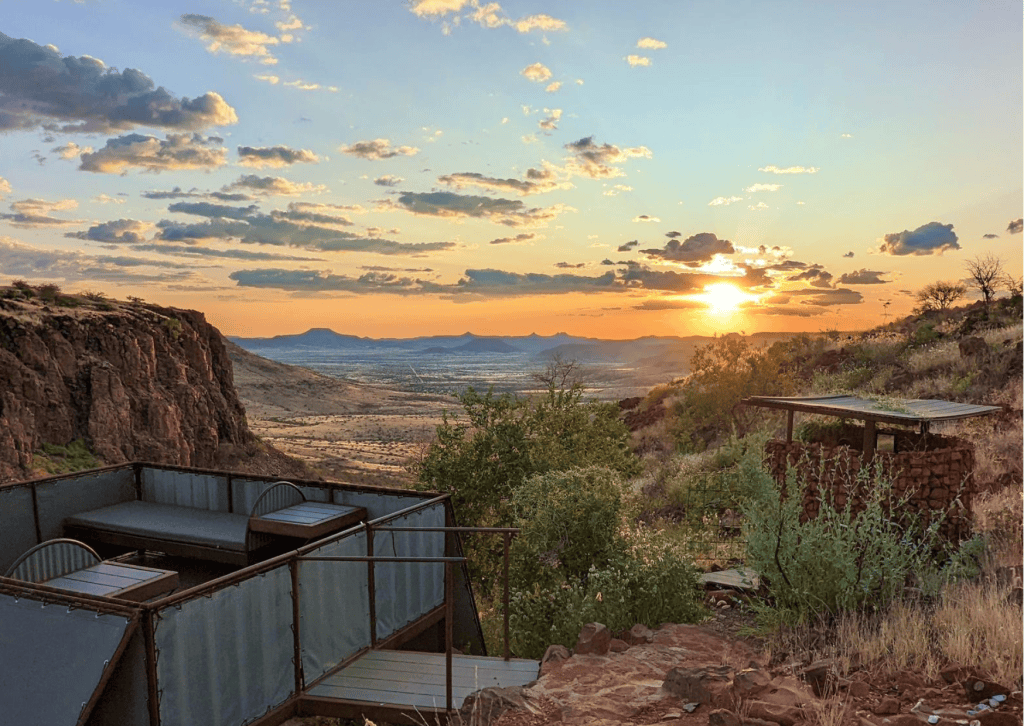
- Dinner beneath the stars
Good to know: Etendeka is a remote wilderness area and private vehicles do not drive directly to the camp. Guests are transferred into the concession, leaving the roads and everyday distractions behind.
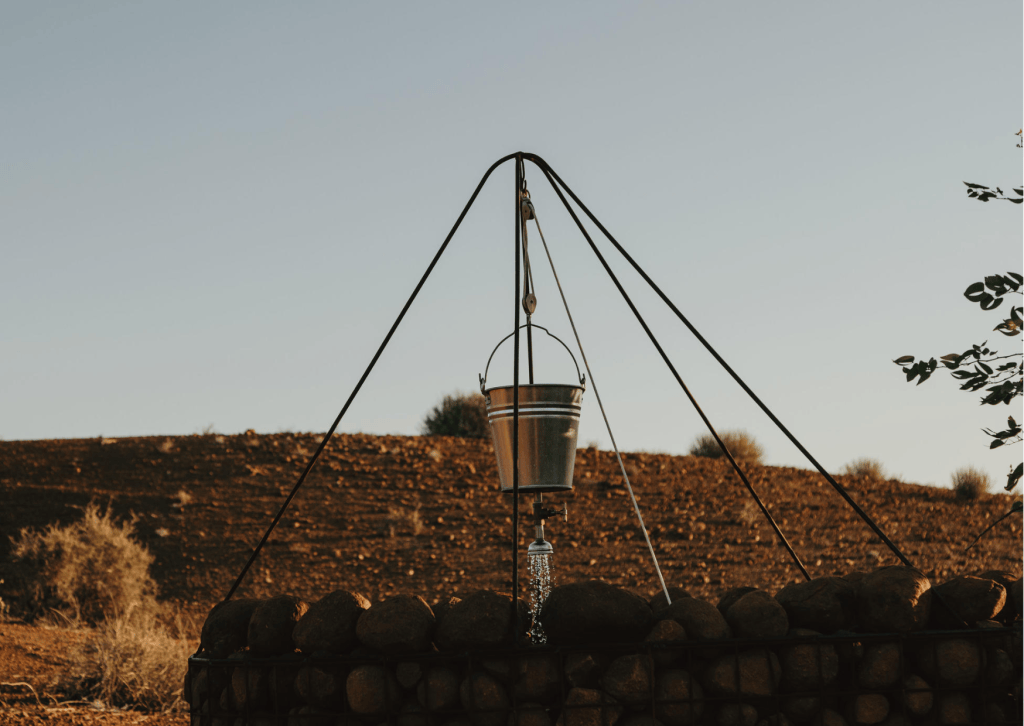
Day 13 · Etendeka
Etendeka Wilderness
Overnight: Etendeka
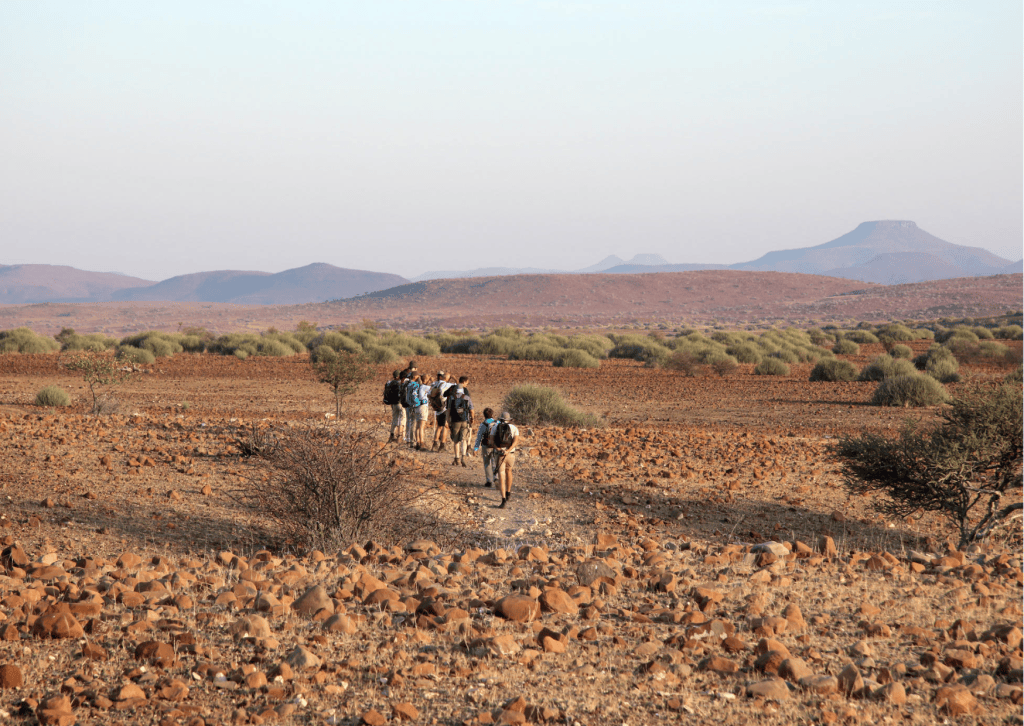
Today is about slowing down and experiencing the Etendeka landscape on foot.
The area is characterised by ancient basalt lava flows, flat-topped mountains, dry riverbeds and rocky plains.
Your guide will introduce you to the geology, plants and wildlife of the area while you walk through the wilderness.
Rather than simply looking for large animals, the experience is about understanding how life survives in this dry environment.
- Early breakfast
- Guided nature walk / hiking activity
- Learn about the geology and desert-adapted plants
- Look for animal tracks and wildlife
- Lunch
- Afternoon activity
- Sundowner
- Dinner around the fire
- Stargazing, weather permitting
Good to know: This is a genuine walking experience on uneven terrain. The pace is guided by the group, with plenty of opportunities to stop and take in the landscape.
Day 14 · Etendeka → Grootberg
Etendeka → Grootberg
Overnight: Grootberg
Today you’ll leave Etendeka and continue towards the Grootberg area.
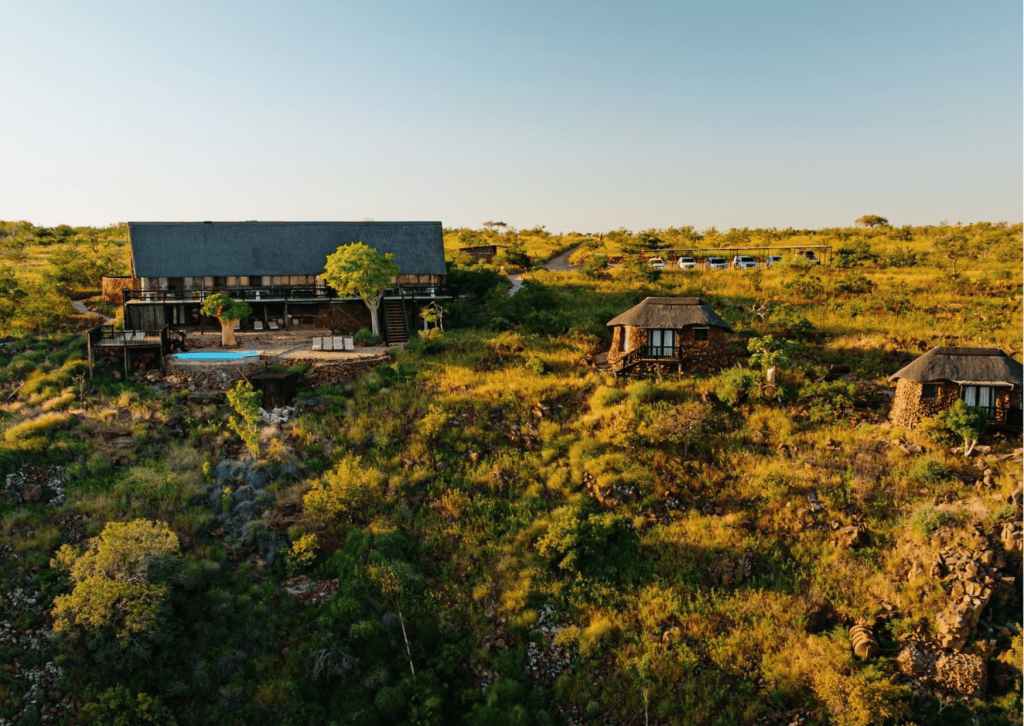
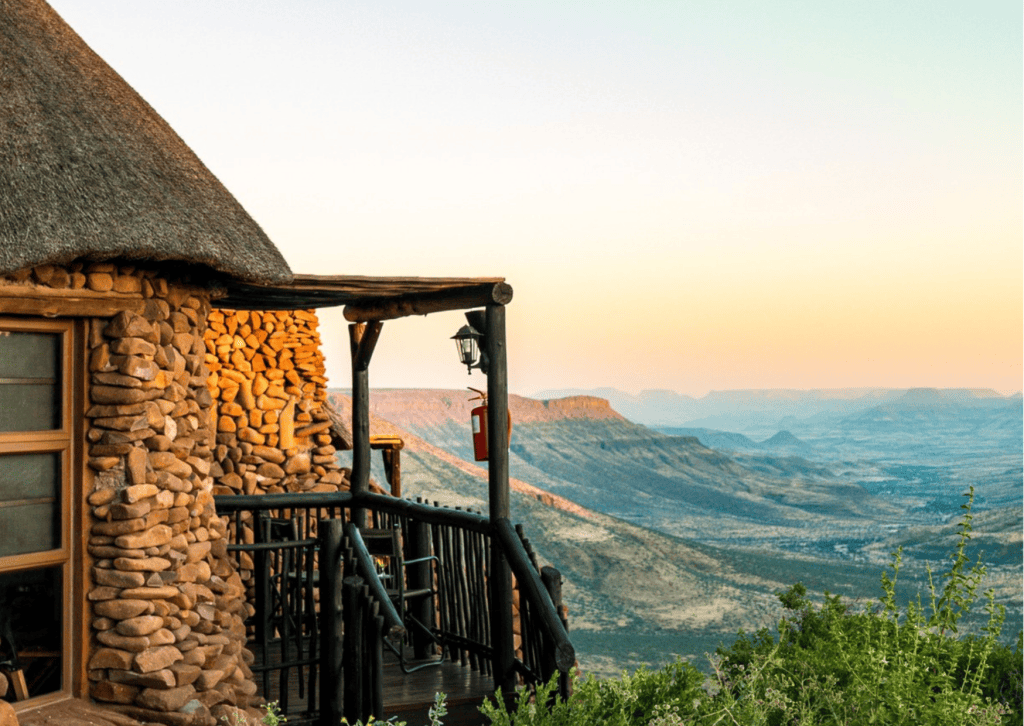
The landscape becomes increasingly rugged, with dramatic mountains, rocky valleys and wide-open wilderness.
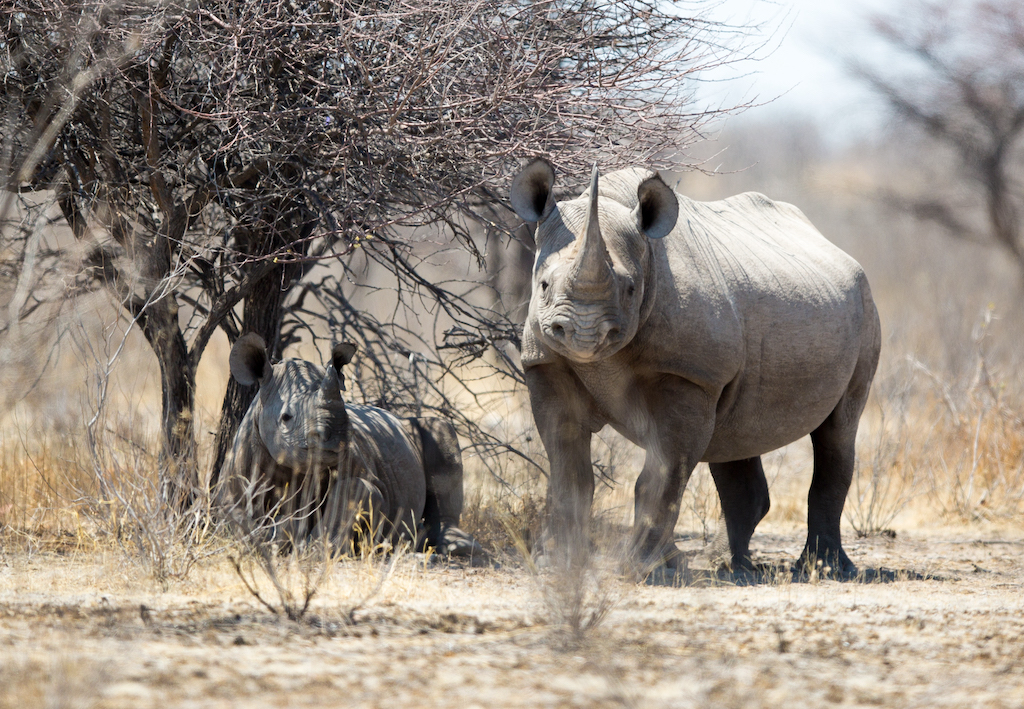
This region is particularly known for its conservation work involving free-roaming black rhinos.
Rhino tracking
You’ll have the opportunity to join local trackers and search for black rhinos in the conservancy.
Rather than following a fixed safari route, the trackers use signs such as tracks and dung to work out where the animals have moved.
The experience involves travelling through rough terrain and may include walking.
- Breakfast
- Leave Etendeka
- Continue towards Grootberg
- Arrive and settle in
- Rhino tracking, subject to timing and conditions
- Dinner
Important: Rhino tracking is subject to availability, timing and conditions. Where the lodge allows it and the timing works, the tracking may take place on the morning of departure before you continue to Doro Nawas. Rhino sightings are not guaranteed, as these are completely free-roaming wild animals.
Day 15 · Grootberg → Doro Nawas
Grootberg → Doro Nawas
Overnight: Doro Nawas
Today you’ll continue deeper into Damaraland.
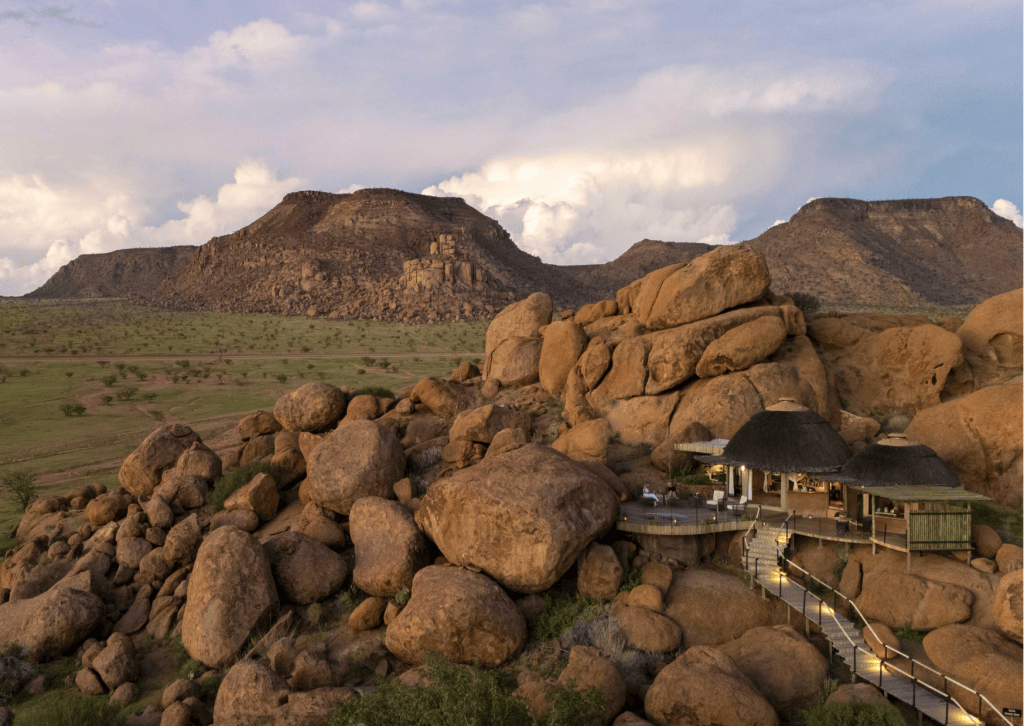
The landscape is dry and rugged, with mountains, rocky plains and dry riverbeds stretching across the horizon.
Your destination is the Doro Nawas area, known for its desert-adapted wildlife and dramatic scenery.
- Breakfast
- Depart Grootberg
- Continue through Damaraland
- Arrive in the Doro Nawas area
- Settle in
- Afternoon activity
- Sundowner
- Dinner
Day 16 · Damaraland
Desert Elephants & Twyfelfontein
Overnight: Doro Nawas
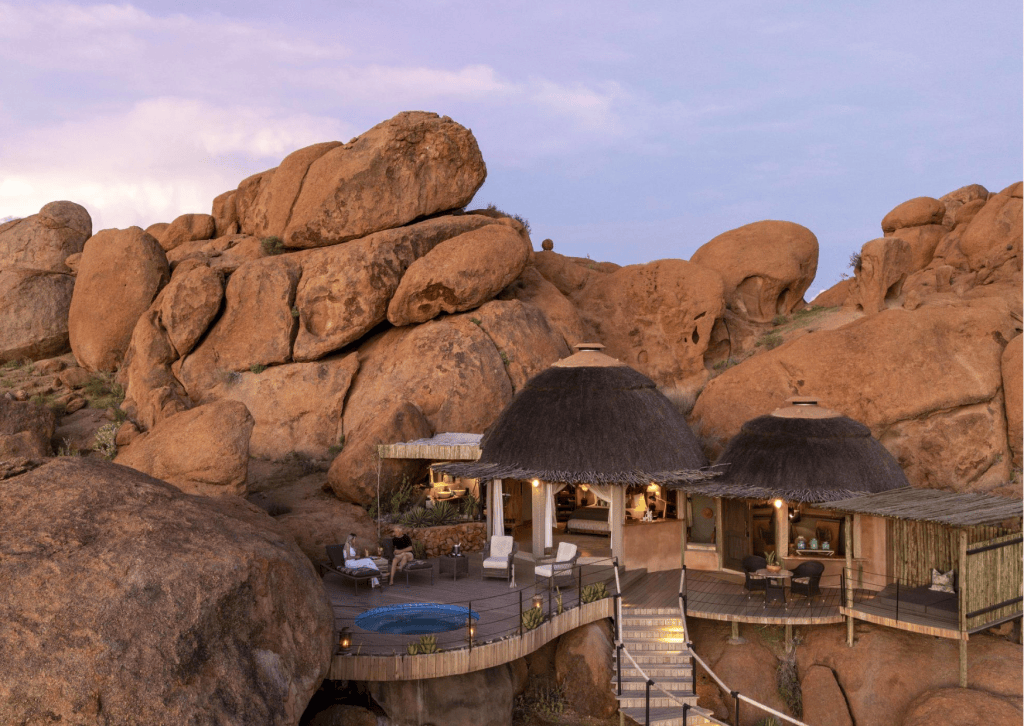
Today combines two very different sides of Damaraland: wildlife and ancient history.
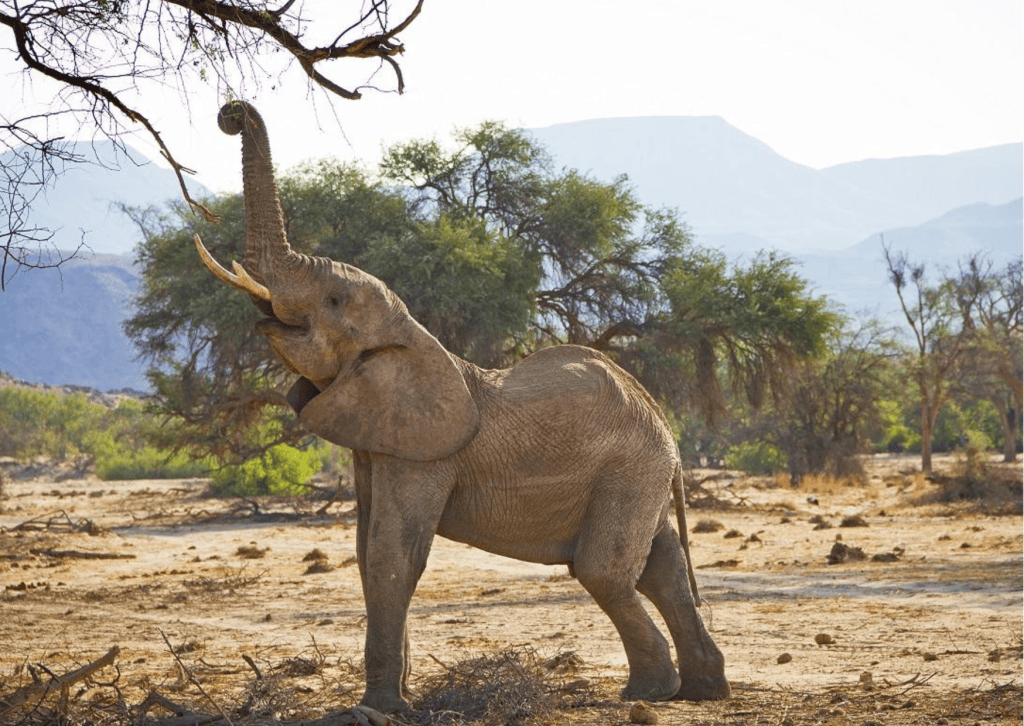
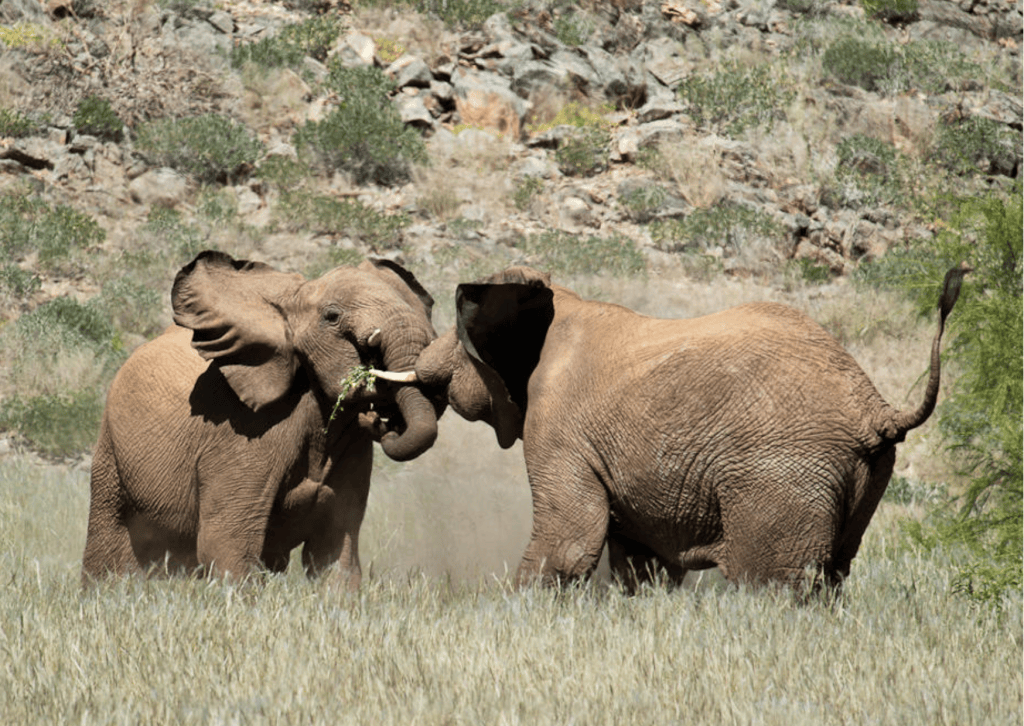
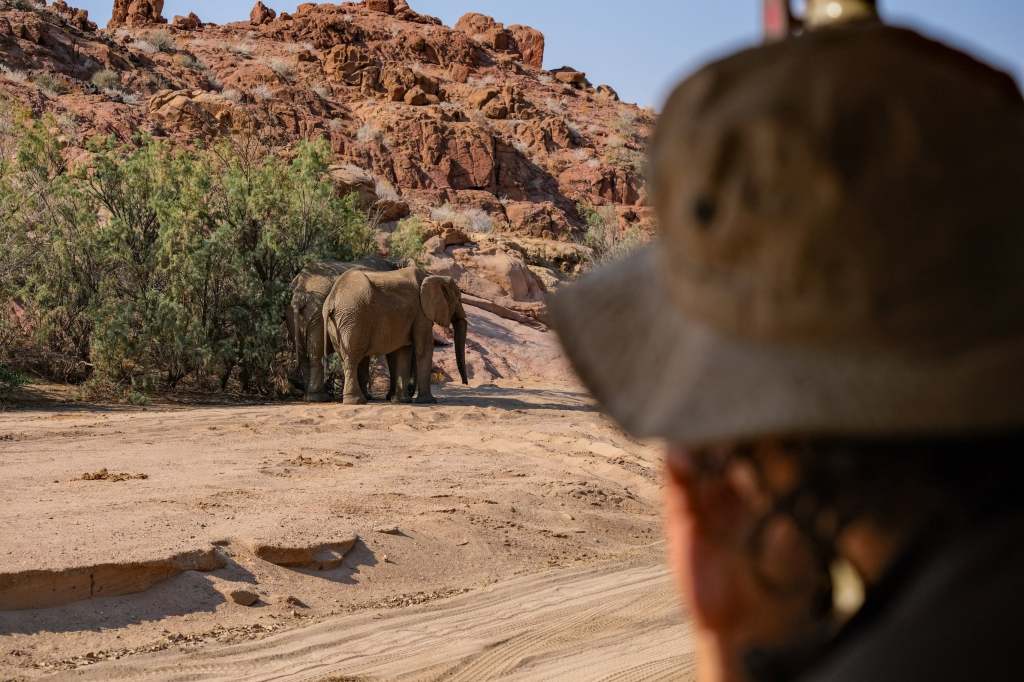
You’ll have the opportunity to search for desert-adapted elephants, following the dry river valleys where these animals move through one of Namibia’s harshest environments.
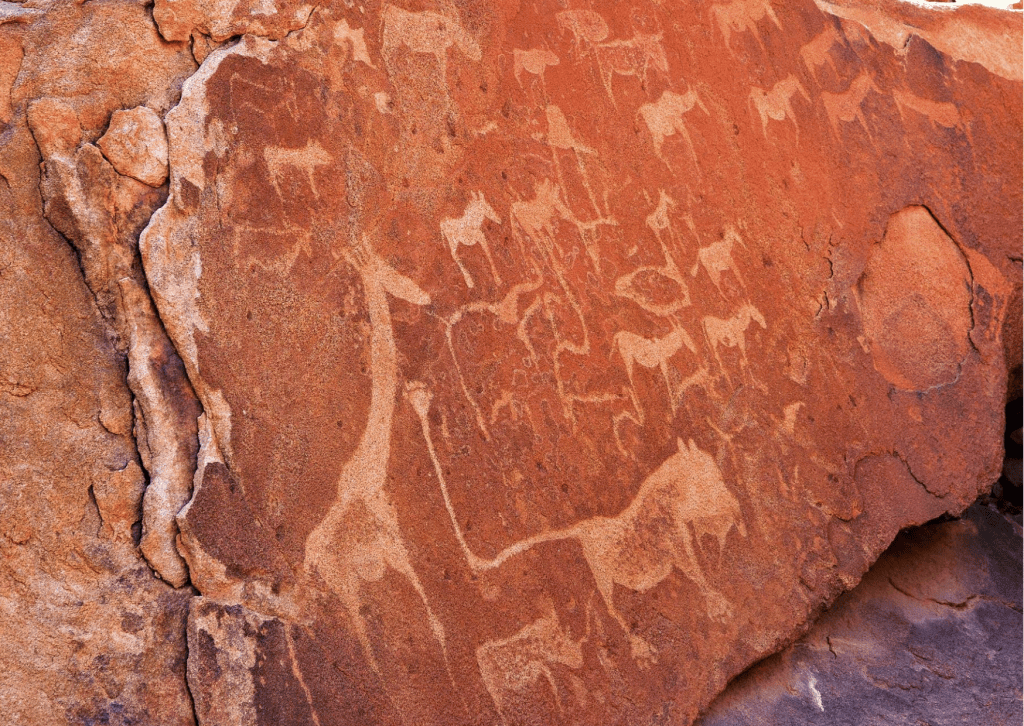
Later, visit Twyfelfontein, a UNESCO World Heritage Site containing thousands of ancient rock engravings created by prehistoric hunter-gatherer communities.
- Breakfast
- Desert elephant activity
- Learn about desert-adapted elephants
- Lunch
- Visit Twyfelfontein
- Guided walk among the rock engravings
- Return to camp
- Dinner
Good to know: Desert elephants are free-roaming wild animals, so sightings cannot be guaranteed.
Day 17 · Doro Nawas → Swakopmund
Damaraland → Swakopmund
Driving: approximately 330–350 km | ±5 hours·Overnight: Swakopmund
Today you’ll leave the rugged landscapes of Damaraland and continue towards the Atlantic coast.
The scenery gradually changes from mountains and rocky plains to the vast open gravel plains of the Namib.
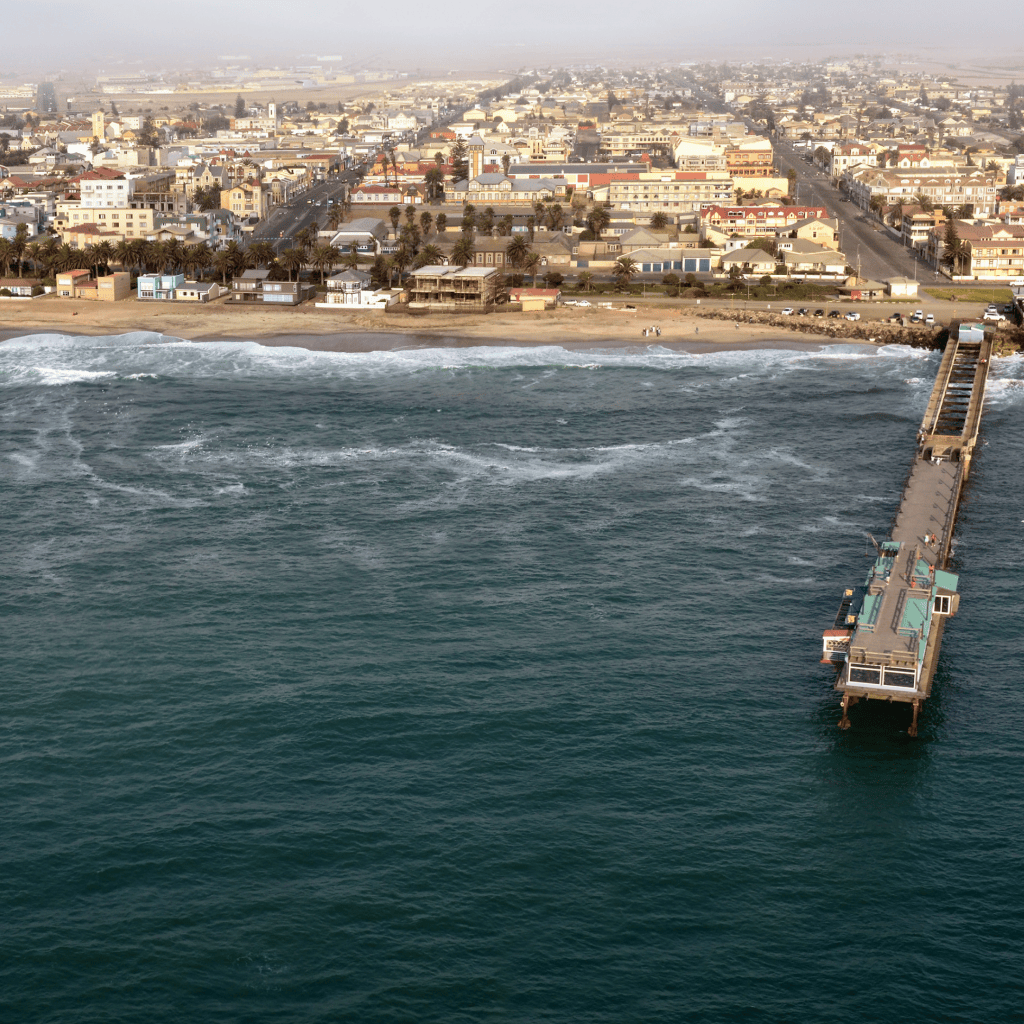
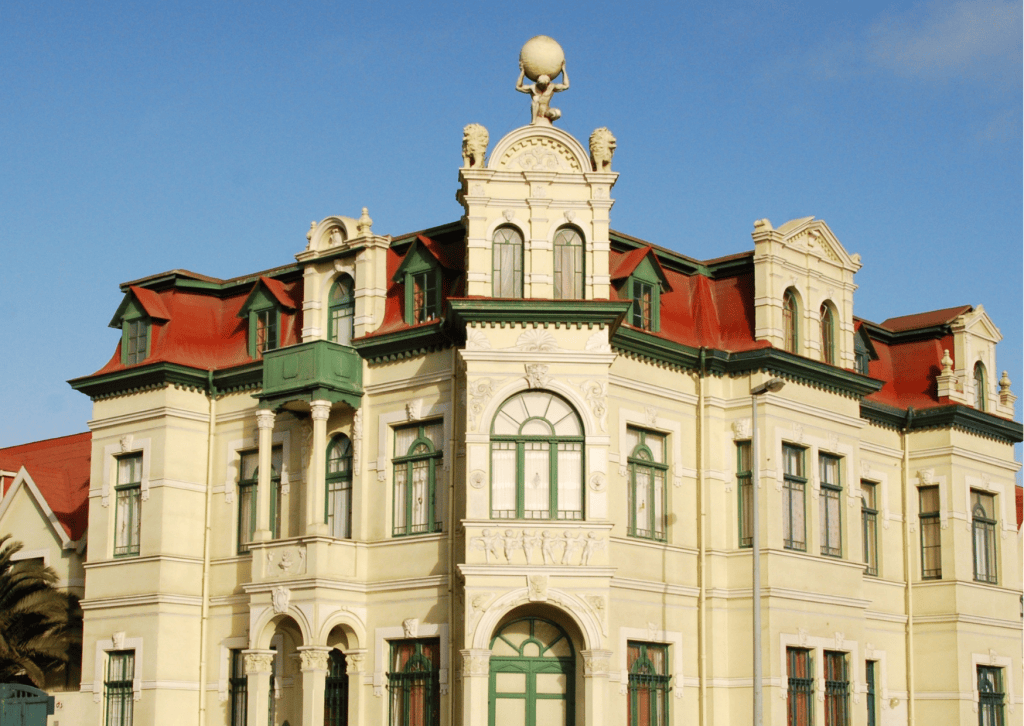
By the afternoon you’ll arrive in Swakopmund, a coastal town surrounded by desert and ocean.
- Breakfast
- Depart Doro Nawas
- Drive towards the coast
- Continue through the Namib
- Arrive in Swakopmund
- Settle in
- Dinner
Day 18 · Swakopmund / Sandwich Harbour
Swakopmund & Sandwich Harbour
Overnight: Swakopmund
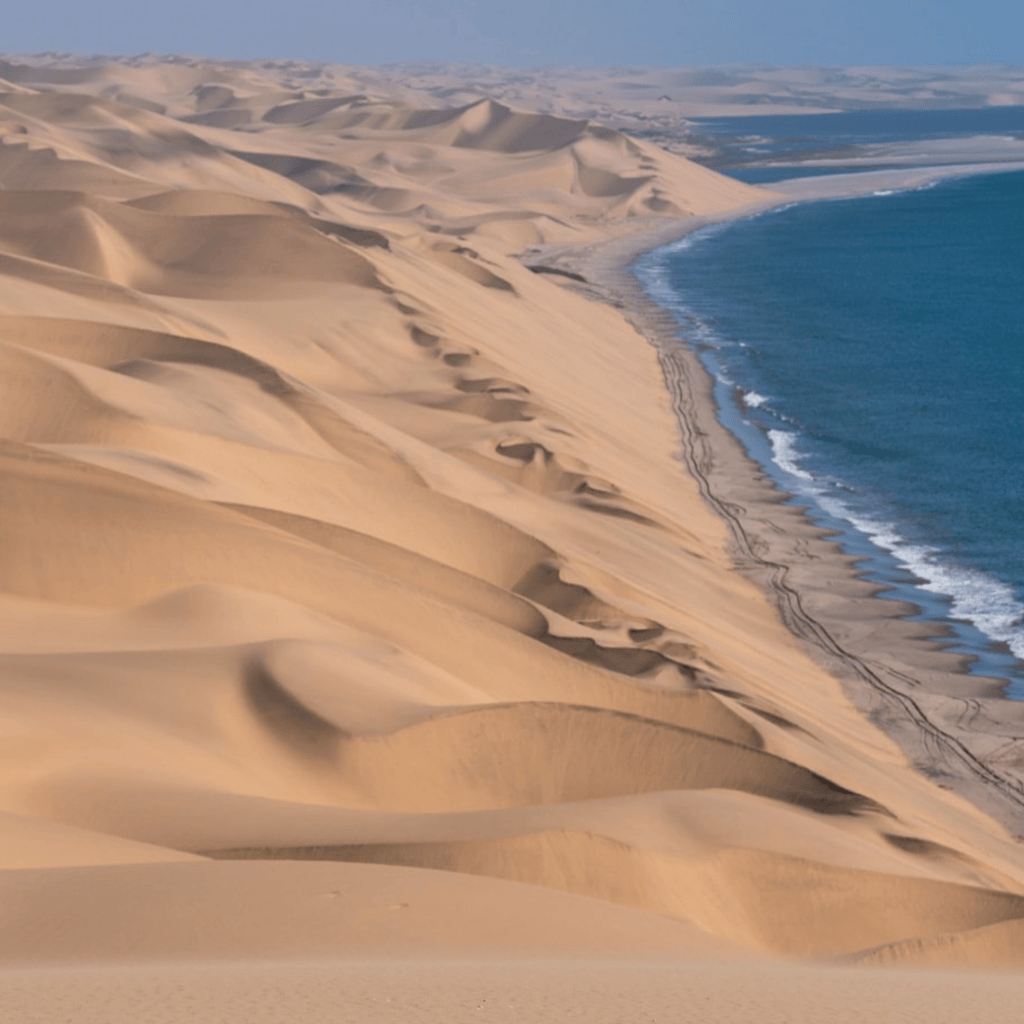
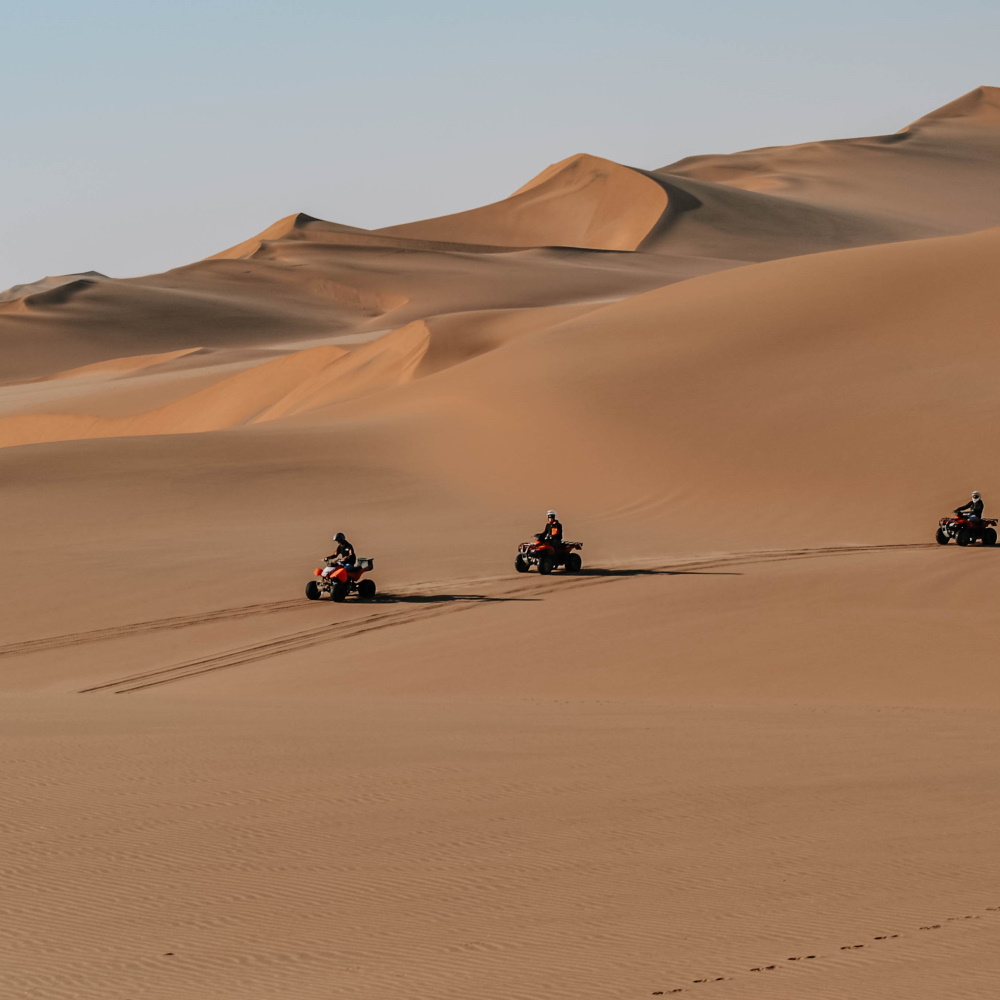
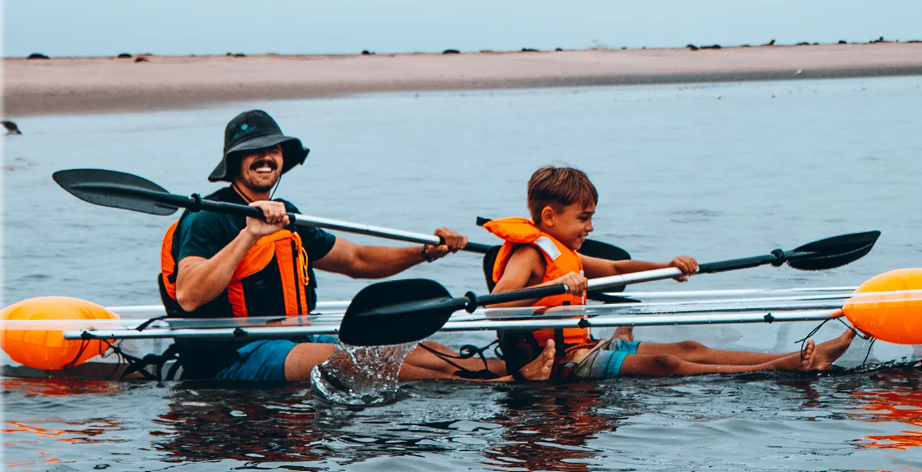
Today you’ll head south into the Namib-Naukluft National Park for a full-day 4×4 adventure to Sandwich Harbour.
Here, enormous dunes meet the Atlantic Ocean, creating one of the most dramatic landscapes on Namibia’s coast.
The route takes you across salt pans, beaches and dunes, with plenty of opportunities to stop and enjoy the scenery.
- Breakfast
- Depart for Sandwich Harbour
- 4×4 excursion through the dunes
- Explore Sandwich Harbour
- Picnic lunch
- Return to Swakopmund
- Evening at your own arrangements
Good to know: Sandwich Harbour is reached by 4×4 and conditions can change depending on tides, wind and sand.
Day 19 · Swakopmund → Sossusvlei area
Swakopmund → Sossusvlei Area
Driving: approximately 350–370 km | ±5–5½ hours·Overnight: Sossusvlei area
Today you’ll leave the coast and head south into the heart of the Namib Desert.
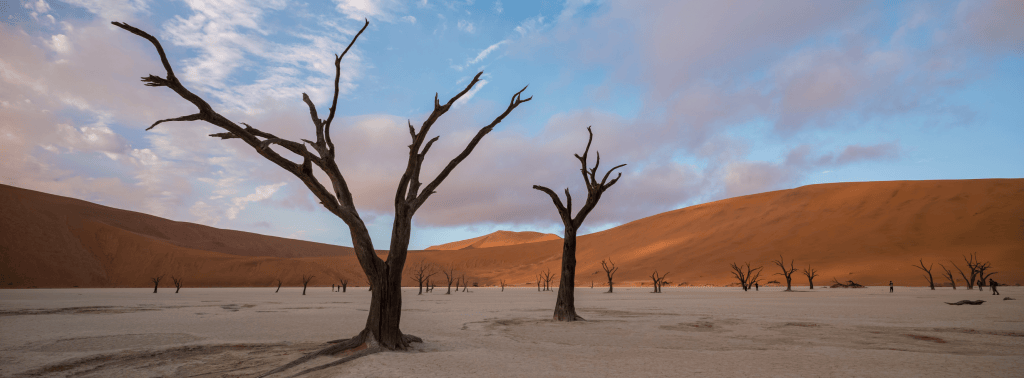
The landscape changes from the Atlantic coast to vast gravel plains, mountains and eventually the dunes of the Sossusvlei region.
You’ll arrive in the afternoon and settle in ahead of tomorrow’s early morning hot-air balloon flight.
- Breakfast
- Depart Swakopmund
- Drive south through the Namib
- Stop along the way
- Arrive in the Sossusvlei area
- Settle in
- Relax before the early morning start
Good to know: Much of this route is on gravel roads, so the drive takes longer than the distance suggests. Allow plenty of time and plan to arrive before dark.
Day 20 · Sossusvlei
Sossusvlei & Hot-Air Balloon
Overnight: Sossusvlei area
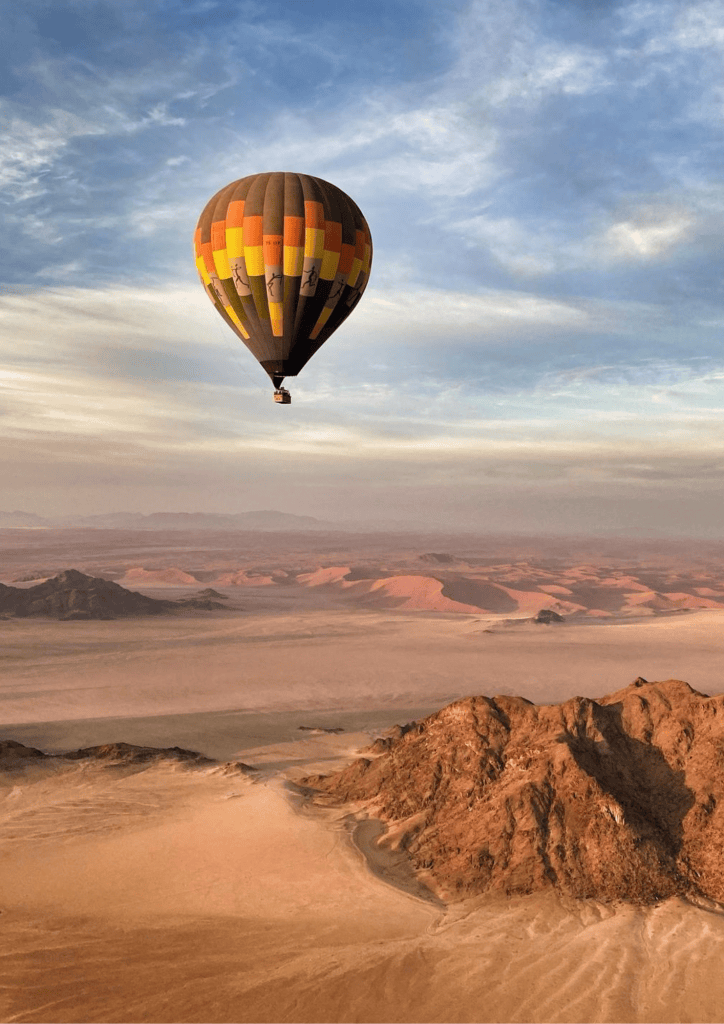
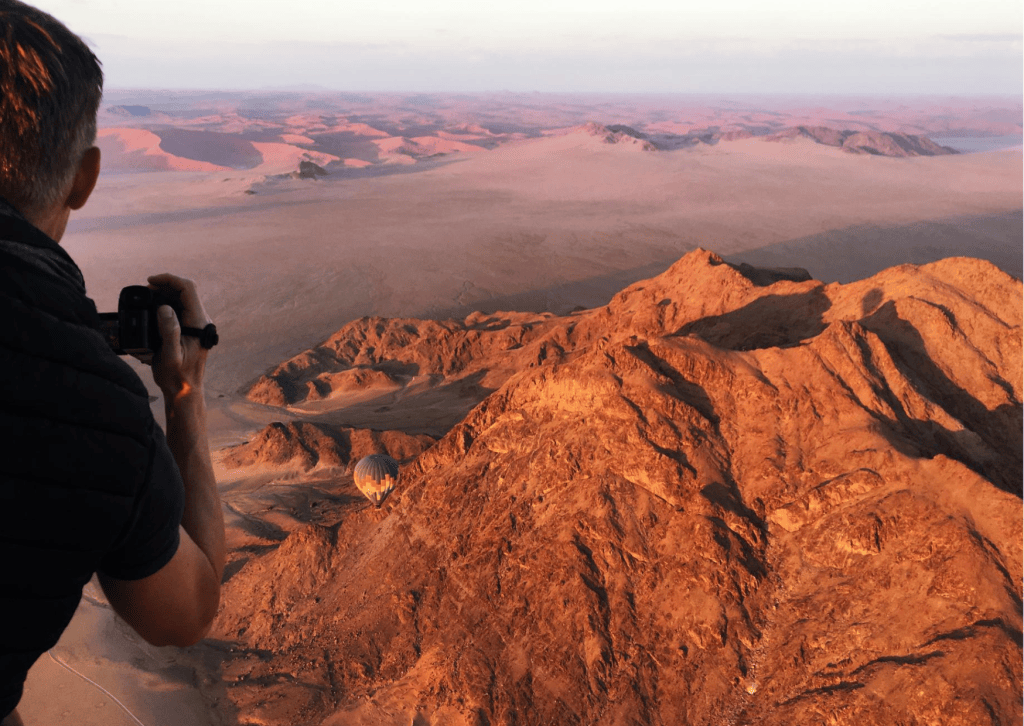
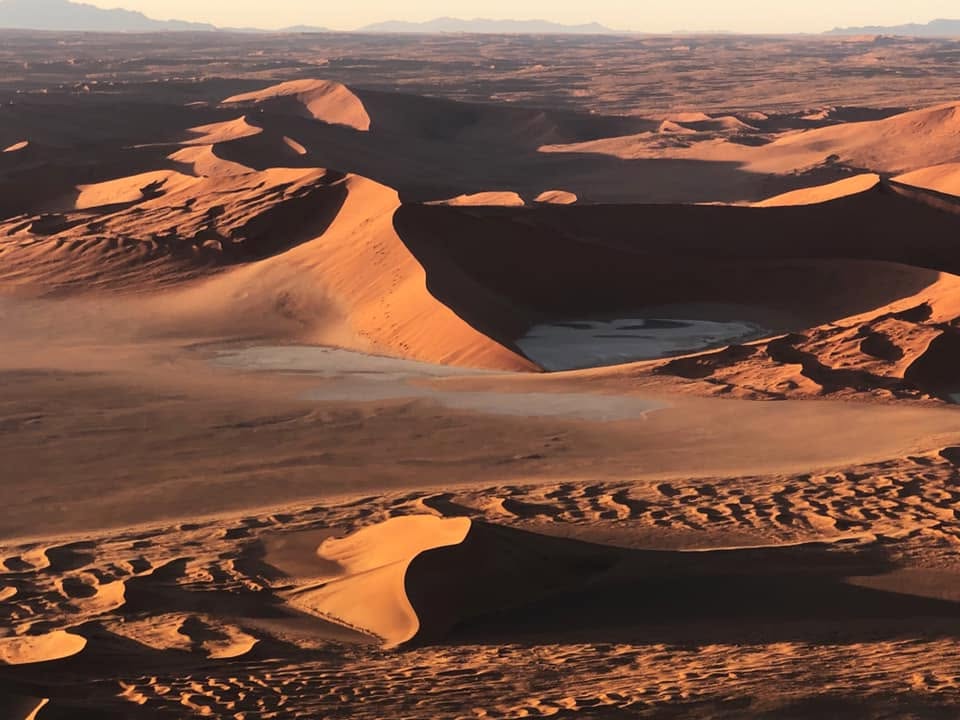
Today you’ll experience the Namib Desert from above on a hot-air balloon flight at sunrise.
As the sun comes up over the dunes, the landscape changes colour and the scale of the Namib becomes clear from the air.
After the flight, enjoy breakfast before returning to your accommodation.
The rest of the day is yours to relax and enjoy the desert surroundings.
- Early morning departure
- Hot-air balloon flight
- Sunrise over the Namib Desert
- Breakfast
- Return to your accommodation
- Time to relax
- Afternoon at your own pace
- Dinner
Good to know: Hot-air balloon flights are weather-dependent, particularly because of wind conditions. The operator makes the final decision on whether the flight can go ahead.
Day 21 · Sossusvlei → Windhoek
Sossusvlei → Windhoek
Driving: approximately 400 km | ±4½–5½ hours·Overnight: Windhoek
Today you’ll begin your final drive back towards Windhoek.
The route takes you through the changing landscapes of central Namibia before arriving back in the capital.
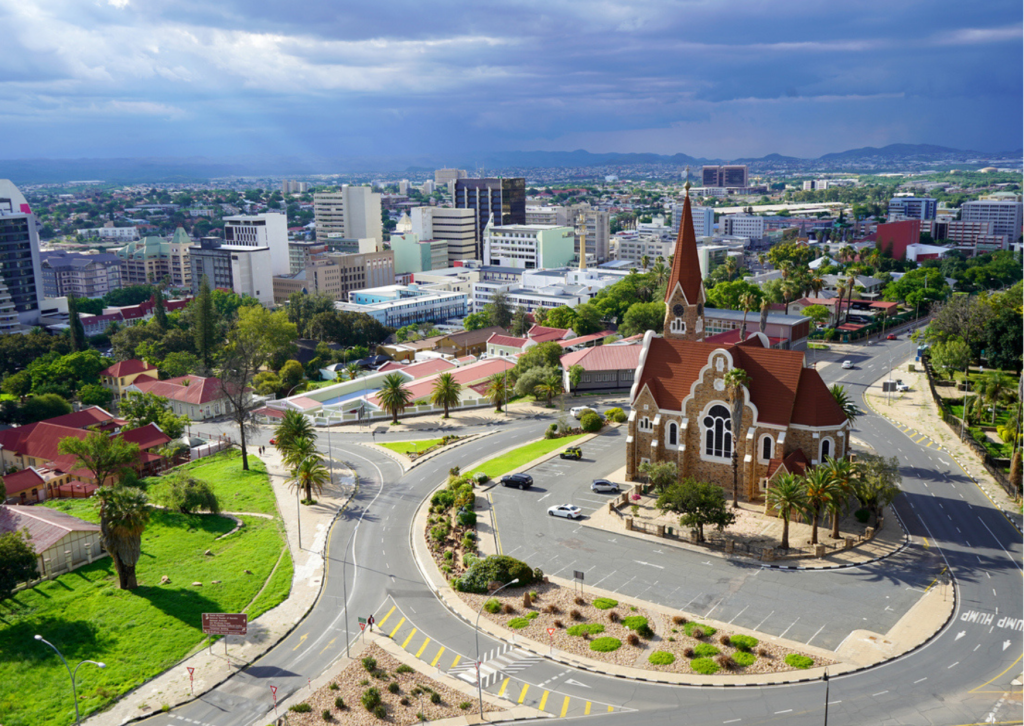
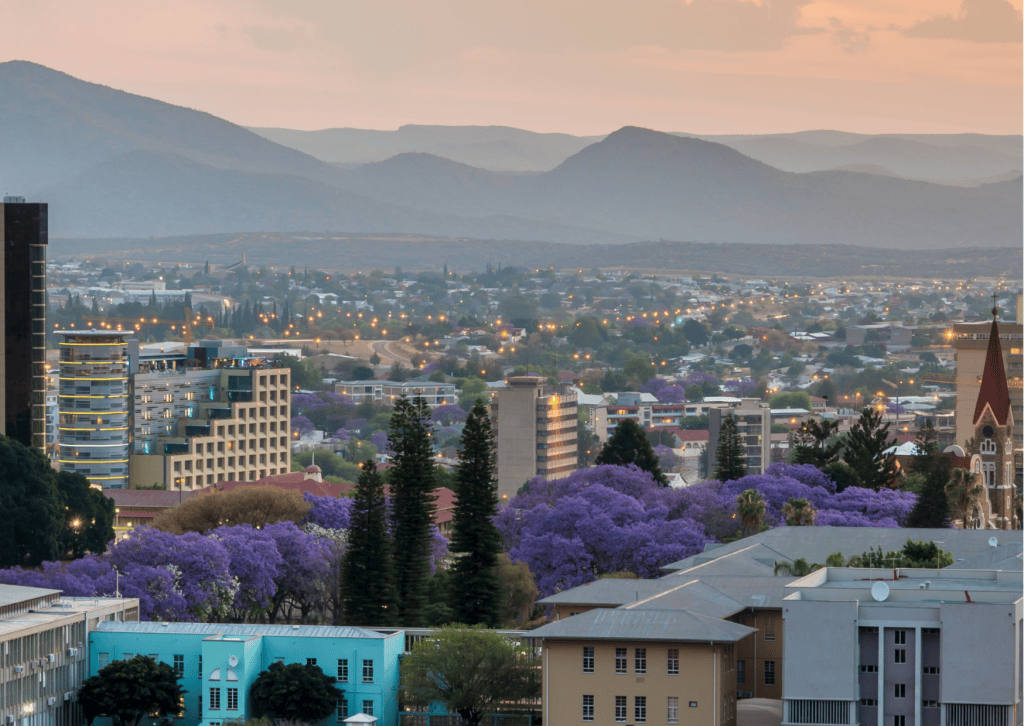
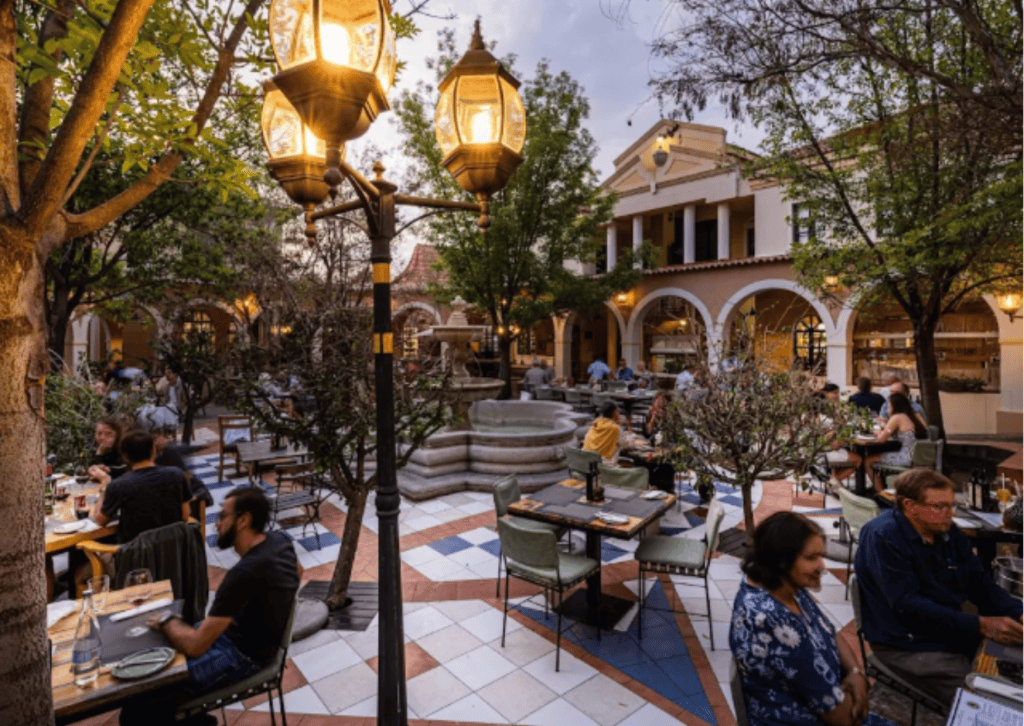
After several weeks on the road, this is a good opportunity to slow down, enjoy the scenery and have a final evening in Windhoek.
- Breakfast
- Depart the Sossusvlei area
- Drive towards Windhoek
- Lunch / fuel stop along the way
- Arrive in Windhoek
- Settle in
- Final evening in Namibia
Day 22 · Windhoek → Hosea Kutako International Airport
Windhoek & Departure
Your final morning in Namibia.
Enjoy breakfast and spend your last few hours in Windhoek before making your way to the airport for your international flight.
- Breakfast
- Final morning in Windhoek
- Transfer to Hosea Kutako International Airport
- International departure
Good to know before you go
Practical information
Three countries in one journey
The journey begins in Zimbabwe, continues through Botswana and then travels through Namibia.
Border crossings are part of the experience when travelling through this region, and requirements vary depending on nationality and vehicle arrangements.
Self-driving in Namibia
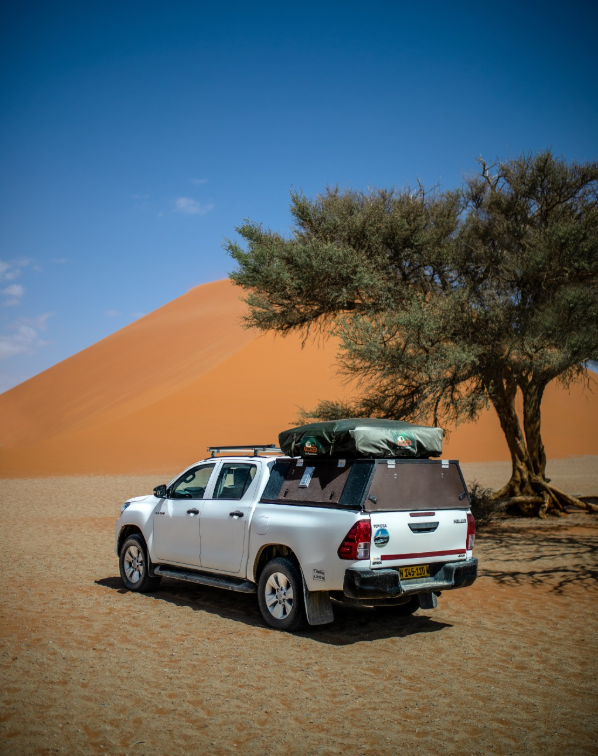
The Namibia section of the journey is a self-drive experience, giving you the freedom to travel at your own pace between destinations.
Namibia is a large country and driving distances can be long. Gravel roads, wildlife stops and changing road conditions can also add to journey times.
Etendeka
Etendeka is deliberately remote and offers a very different experience from a conventional lodge stay.
The focus is on walking, nature and the landscape, with guided activities and time away from the main tourist routes.
The walking experience is best suited to travellers with a reasonable level of fitness and involves several hours of walking each day. A minimum age of 12 applies.
Wildlife
Several of the wildlife experiences on this journey involve animals living completely freely in their natural environment.
Elephants, rhinos, desert elephants and other wildlife sightings therefore cannot be guaranteed.
Fuel
Fuel should be topped up whenever you reach a suitable town or fuel station rather than waiting until the tank is low, particularly before longer remote sections.
Remote areas
Several sections of this journey are genuinely remote. Mobile reception and Wi-Fi can be limited, particularly around Etendeka and parts of Damaraland.
What to pack
- For this journey, bring:
- Comfortable walking shoes
- Sun hat
- Sunscreen
- Sunglasses
- Lightweight clothing
- Warm layers for early mornings and evenings
- Headlamp / torch
- Reusable water bottle
- Camera and binoculars
- Comfortable clothes for long driving days
- Small daypack for walking activities
What’s included
Your final itinerary will clearly specify which accommodation, transfers, meals and activities are included. Activities specifically listed as optional are not included unless otherwise stated.
Not included
Unless specifically mentioned in your final booking:
- International flights
- Fuel
- Optional activities
- Meals and drinks not specifically mentioned
- Personal expenses
- Travel insurance
- Tips
- Visa fees
- Cross-border vehicle charges where applicable
- Any activities or services arranged independently
Like the sound of this one?
This is a real route we’ve planned before, shown here to give you a feel for what’s possible. We can adjust the pace, the accommodation level, or swap in another region entirely.
More ways to explore Namibia
14 DAYS
Namibia Beyond the Highlights
12 DAYS

